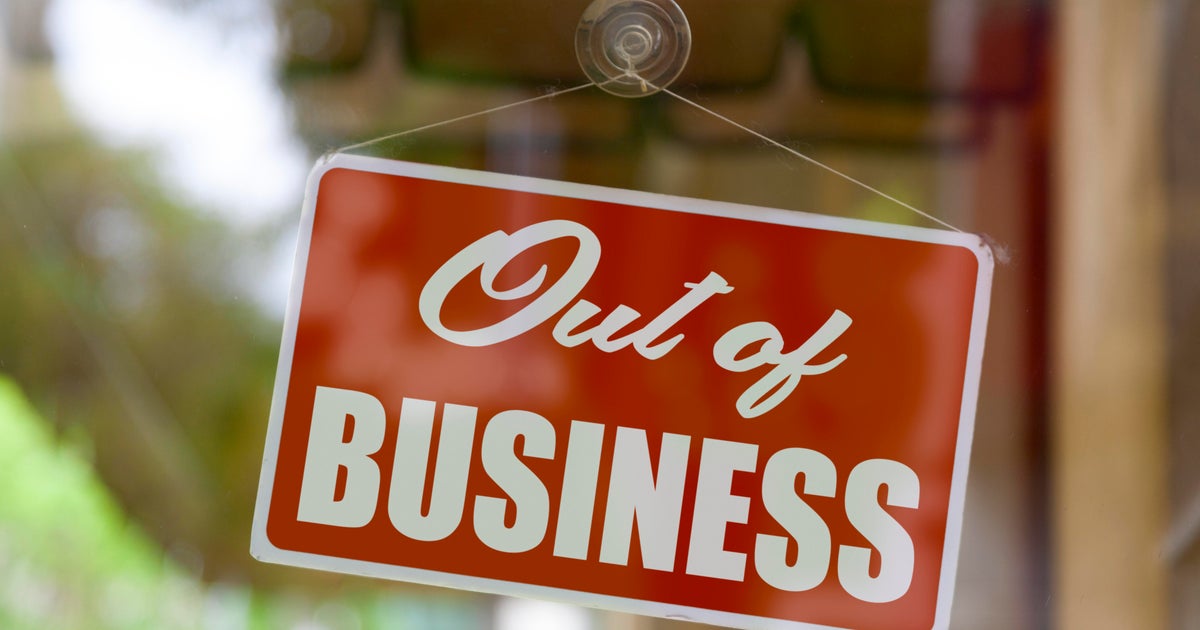
The U.S. retail landscape saw a wave of permanent closures in 2025 as more than 8,100 stores shuttered (up ~12% year-over-year), driven by bankruptcies, competition and structural retail weakness. Notable collapses include Bargain Hunt (92 stores), Liberated Brands (122 stores), Joann Fabrics (all U.S. locations after a second bankruptcy), nationwide wind-down of Forever 21 U.S. operations (citing competition from foreign fast-fashion firms exploiting the de minimis exemption), Party City closing hundreds of outlets (brand sold to Ad Populum), national pharmacy chain Rite Aid closing all locations amid repeated bankruptcies and DOJ litigation, and short-term rental operator Sonder ceasing operations after its Marriott licensing deal ended. The cluster of filings and liquidations underscores ongoing margin pressure in brick-and-mortar retail, legal liabilities and competitive trade dynamics that warrant caution for retail and specialty consumer equities.
Market structure: 2025’s ~8,100 store closures (+12% y/y) accelerate a durable shift from mall/strip retail to low-cost import-led e-commerce and asset-light lodging. Direct winners: offshore fast-fashion platforms (Shein/Temu-type dynamics), digital-first travel platforms and branded franchisors; losers: mall REITs, regional retail chains, and legacy operators with high fixed lease costs (pharmacy, crafts, discount chains). Pricing power is moving from physical retailers to low-cost global suppliers and platform aggregators, compressing gross margins for incumbents by mid-single digits over 6–24 months.
Risk assessment: tail risks include contagion to CMBS and retail-focused credit (spread widening 50–150bps), sudden regulatory change to the de minimis rule or DOJ rulings that re-allocate market share, and integration failures in platform partnerships (Marriott–Sonder case). Immediate (days–weeks): earnings misses and downgrades for exposed names; short-term (3–6 months): wave of opportunistic bankruptcies; long-term (2–5 years): structural demand shift and depressed mall rents. Hidden dependencies: franchise networks, landlord covenant waivers, and last‑mile logistics capacity can create second‑order shocks.
Trade implications: prefer long travel & premium branded lodging (MAR) and selective platform plays (ABNB) funded by short exposure to mall REITs/retail ETFs and distressed retail creditors. Use defined‑risk options to express views: buy 3–6 month call spreads on MAR/ABNB and 3–6 month put spreads on XRT or SPG to limit downside. Reduce cyclical brick‑and‑mortar discretionary positions by ~50% over the next quarter and reallocate 2–4% to travel/e‑commerce winners; pursue event‑driven purchases of bankruptcy claims at 40–60c for 12–24 month recovery.
Contrarian angles: consensus underestimates logistics/last‑mile capacity constraints — higher delivery costs could restore pricing power to vertically integrated retailers and create selective winners among omni‑channel operators. The market may have oversold experiential hospitality exposure; operationally strong franchisors or platform partners (Marriott) can capture stranded demand, producing outsized 12‑month upside (15–30%) versus already‑priced failures like SONDW. Distressed M&A and intellectual property sales (brands like Forever21/Party City) create asymmetric upside for credit/event investors willing to hold 12–24 months.
AI-powered research, real-time alerts, and portfolio analytics for institutional investors.
Request DemoOverall Sentiment
strongly negative
Sentiment Score
-0.75
Ticker Sentiment
