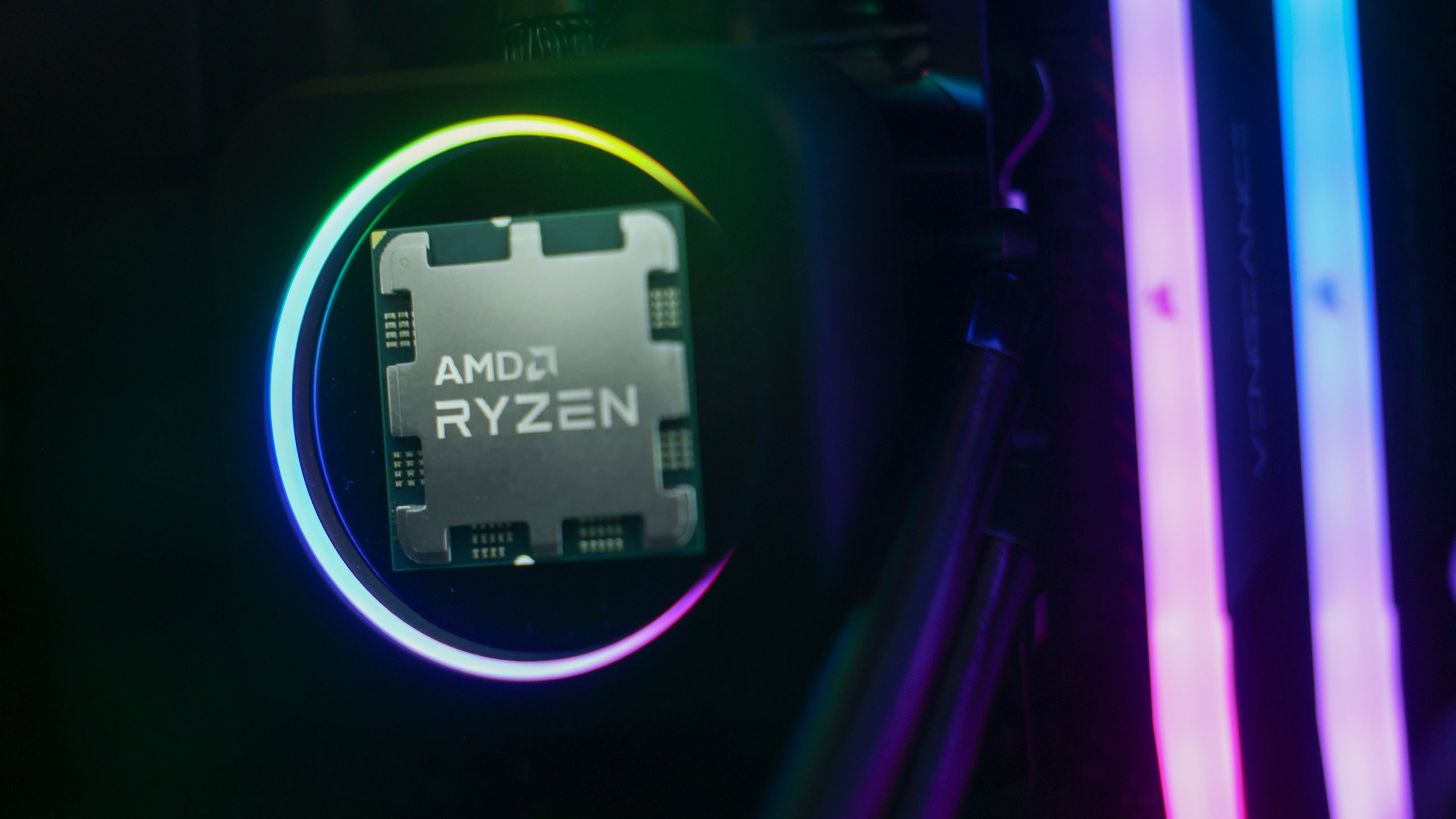
A leak attributed to tipster HXL indicates AMD's next-generation Ryzen 10000 “Olympic Ridge” desktop CPUs (Zen 6) will ship in seven SKUs: single-CCD 6-, 8-, 10- and 12-core parts and dual-CCD 16- (8+8), 20- (10+10) and 24-core (12+12) variants, with each CCD reportedly carrying 48 MB of L3 cache (96 MB total on a dual-CCD non‑X3D flagship). Zen 6 is said to bring IPC gains and higher clocks while remaining on AM5; the report is unconfirmed but notable because it would be AMD’s first 12-core CCD and expand Ryzen’s high‑end to 24 cores, with competitive implications versus Intel’s rumored Nova Lake designs.
Market structure: AMD's rumored Ryzen 10000 (6–24 core range, 48 MB L3 per CCD → 96 MB flagship) expands addressable segments from mainstream to prosumer and light workstation, benefiting AMD (AMD) and AM4/AM5 OEM partners like DELL in the 3–12 month product-refresh window. Intel (INTC) faces intensified segment overlap; Intel's rumored 52-core Nova Lake shifts competition toward raw core-count/LLC economics, likely forcing price/feature competition that could compress mid/high-end desktop ASPs by mid-single digits to low-teens over 12–18 months. Memory and BOM: higher core+cache SKUs increase DDR5 demand and OEM average BOM by an estimated $50–150 per high-end desktop, favoring DRAM suppliers if contract pricing stabilizes.
Risk assessment: immediate risk (days) is rumor-driven IV spikes; short-term (weeks–months) risks include TSMC yield/capacity bottlenecks that could delay supply and tighten margins, and competitor product surprises (Intel Arrow/Nova launches) that flip the narrative. Tail risks: regulatory/antitrust actions on packaging/market behavior or a catastrophic yield/reticle defect that forces AMD to postpone volumes (low probability, high impact). Hidden dependencies include DRAM pricing swings and OEM inventory cycles that can mute demand even for a technically superior SKU.
Trade implications: direct plays — consider establishing a 2–3% long position in AMD (ticker AMD) sized to portfolio risk, target +20–30% in 6–12 months if Zen 6 IPC claims and reviews validate, stop-loss -12%. Pair trade — long AMD vs short INTC equal-dollar for 3–9 months to express relative CPU share gain; hedge with 9–12 month call spreads on AMD (buy 12-month ATM call, sell 1.5x) to cap cost. Memory conditional — only buy DRAM names (e.g., MU) if contract DRAM prices rise >5% QoQ or OEM BOM inflation persists for two consecutive quarters.
Contrarian angles: consensus focuses on core counts; investors underweight per-core performance per watt and platform cost (DDR5 dependence raises total system price and can slow adoption if RAM falls >15% leading to demand step-down). The market could overreact to pre-benchmark hype — if AMD stock rallies >15% before independent reviews, the move is likely overdone and sell/hedge opportunities open. Historical parallels: Zen 2/3 cycles show share gains materialize over 12–24 months, so staged entries and volatility-aware option structures are superior to all-in directional bets.
AI-powered research, real-time alerts, and portfolio analytics for institutional investors.
Request DemoOverall Sentiment
mildly positive
Sentiment Score
0.25
Ticker Sentiment
