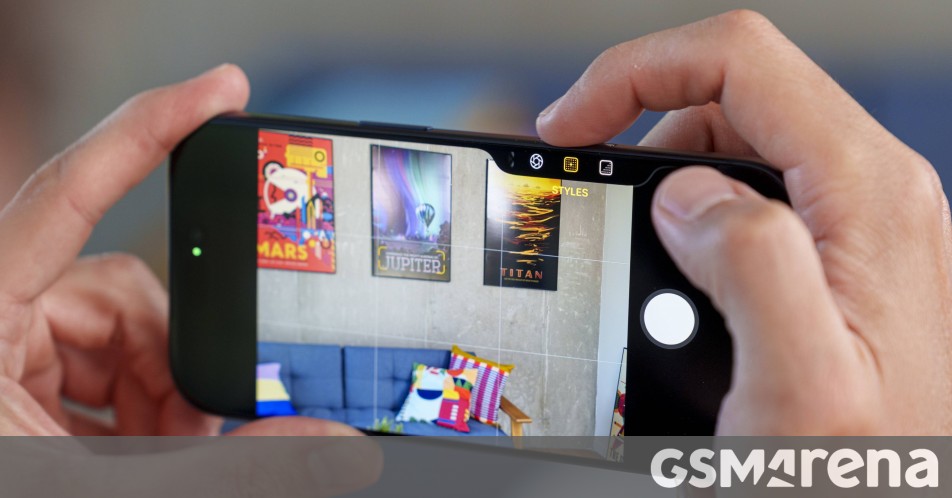
Apple was reportedly close to acquiring Lux Optics but acquisition talks collapsed in September after the Lux Optics founders opted to keep building Halide to increase valuation. The discussions were tied to Apple’s push to improve the native Camera app ahead of a rumored variable-aperture iPhone 18 Pro this fall. The failed deal signals Apple is prioritizing advanced camera software, but the news is unlikely to move markets materially beyond modest product-expectation adjustments; Halide remains available to users.
Apple’s roadmap toward meaningful camera hardware complexity (mechanical aperture, bigger sensors) shifts the bottleneck from optics to real-time compute and imaging pipelines. That raises incremental demand for higher-performance ISPs/NPUs inside A-series chips and for back-end silicon that can run new denoising/BRDF and multi-exposure stacks without latency hits — a multiplier on Apple’s silicon advantage rather than a linear benefit to unit demand.
Supply-chain effects are second-order but material: variable aperture mechanisms and precision lens assemblies are bespoke components with long qualification times and limited qualified vendors, which creates near-term scarcity risk and pricing leverage for specialist suppliers (mechanical actuators, precision plastic/ glass vendors). Conversely, a richer native Camera feature set compresses TAM for premium third-party camera apps and could force consolidation or pivot of those startups to novel subscription features or pro workflows.
Regulatory and monetization vectors deserve attention. If Apple folds advanced imaging into the default app and limits API parity, regulators will view this as foreclosure risk for app competition; that lobbying/antitrust angle could delay feature rollouts or constrain integration depth. On the demand side, expect modest ASP uplift for Pro models (high-margin trims) rather than a big unit-cycle surprise — the stock reaction will be driven more by services/attachment and the beat on component-supplier margins over 2–6 quarters than by near-term share gains.
AI-powered research, real-time alerts, and portfolio analytics for institutional investors.
Overall Sentiment
mildly positive
Sentiment Score
0.25
Ticker Sentiment
