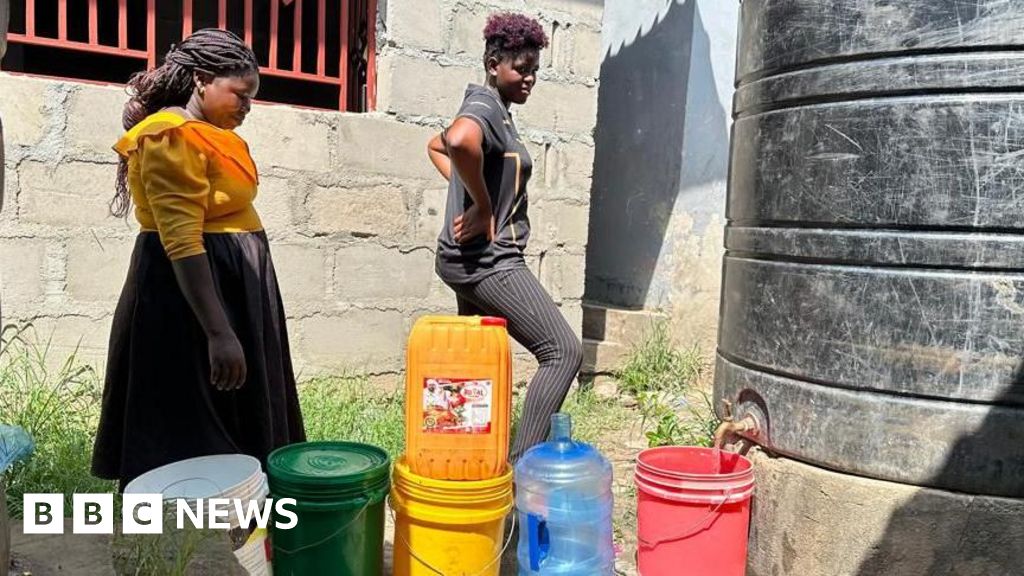
Dar es Salaam is experiencing prolonged water shortages driven by a drought since the end of the rainy season in May and rising demand in a city of about six million; roughly 70% of municipal supply comes from the Ruvu River and has fallen sharply. City authorities are rationing supplies (often once a week), residents are turning to costly private vendors (price cited rising from $4 to $10 per 1,000 litres), and small businesses have cut hours or raised prices; officials cite leaking distribution pipes and limited local freshwater as compounding factors. The government plans infrastructure responses including a new dam and additional boreholes, but critics call for clearer rationing schedules and faster project delivery, signalling prolonged operational and social strain in the near term.
Market structure: The immediate winners are water‑technology and infrastructure suppliers (pumps, treatment, drilling, desalination OEMs) and private water vendors who can charge 2.5x+ (article cites $4→$10 per 1,000L). Losers are low‑income consumers, informal retail and hygiene‑sensitive small businesses; municipal utility creditworthiness (Dawasa) is impaired and will likely need ODA/sovereign support. Expect a multi‑year capex cycle in East Africa water infrastructure but localized pricing power for private vendors in the near term (weeks→months).
Risk assessment: Tail risks include social unrest and emergency capital controls triggering >10% TZS depreciation within 30–90 days, or major project procurement failures/corruption inflating project costs +30–50%. Immediate (days) operational disruption persists; short term (3–12 months) donor/sovereign financing and drilling may alleviate shortages; long term (1–5 years) structural demand growth (>3–4% population CAGR in Dar) implies sustained capex. Hidden dependencies: fuel price spikes (diesel for water trucks) and electrical supply constrain private remedies.
Trade implications: Direct equity plays: long listed water names with EM project exposure (Xylem XYL, Pentair PNR) and water ETFs (FIW/PHO) for diversified exposure; use 6–12 month horizons. Credit: avoid Tanzanian local currency sovereign duration; reduce Frontier EM exposure (e.g., FM) by small allocation; options: buy limited‑risk call spreads on XYL to leverage tender wins while capping premium.
Contrarian angles: Consensus focuses on short pain; it underprices a funded infrastructure cycle—if AfDB/World Bank announces financing within 60–120 days, contractors and OEMs with regional footprints could see 20–40% revenue uplifts over 12–24 months. The knee‑jerk truncation of EM exposure may be overdone given likely multilateral support; conversely, private water vendors' margins will compress once subsidized supply returns, so avoid long positions in local FMCG bottlers without pricing power.
AI-powered research, real-time alerts, and portfolio analytics for institutional investors.
Request DemoOverall Sentiment
moderately negative
Sentiment Score
-0.50
