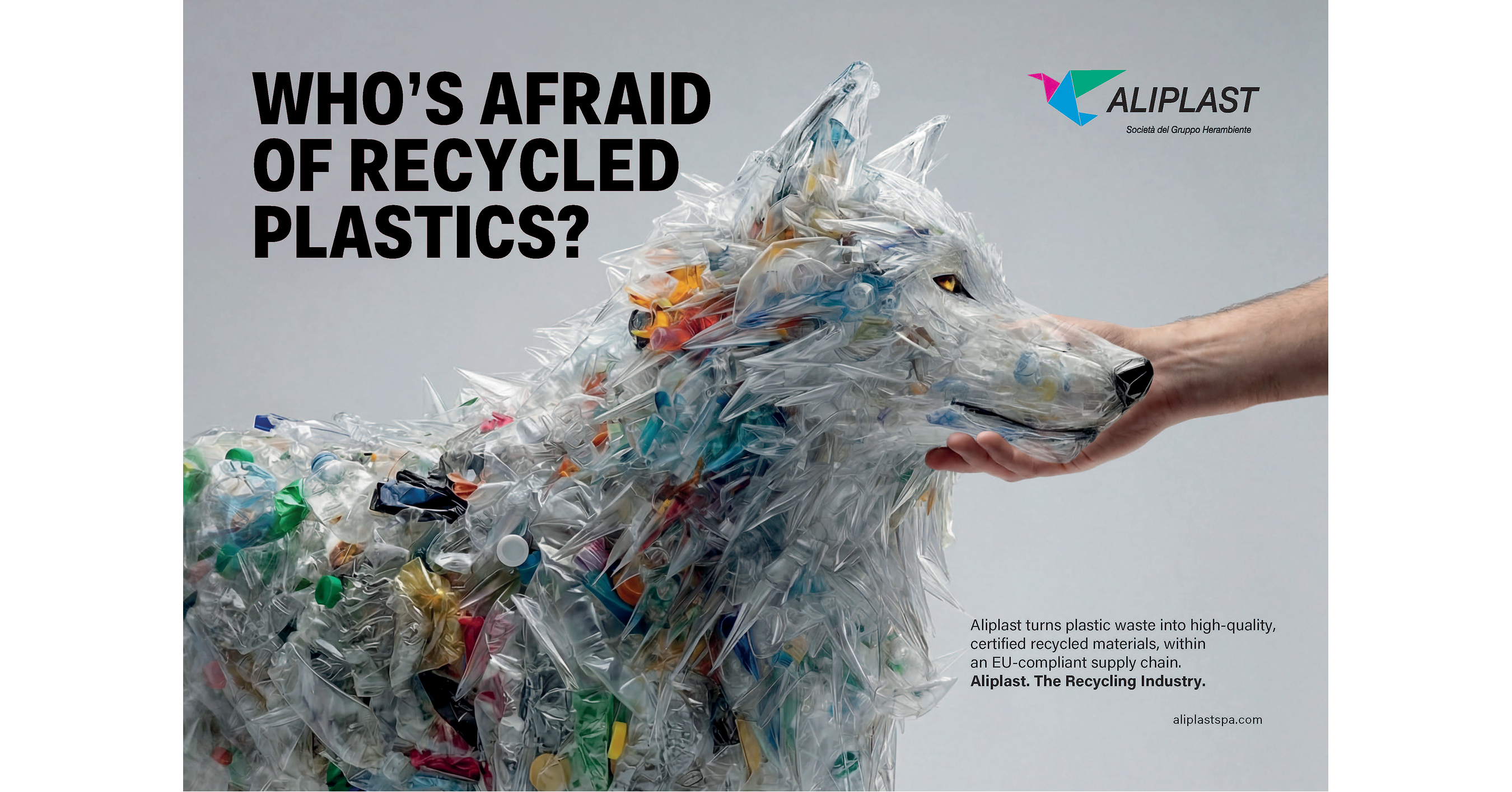
Aliplast (Grupo Hera) firmó un acuerdo vinculante para adquirir el 70% de Kronos Polymer Polska, creando una nueva empresa tras la escisión de Kronos Polymer. La planta recibida tiene una capacidad instalada de 12.000 t/año y, junto con proyectos en Italia, permitiría duplicar la capacidad total de reciclaje de PE hasta superar las 210.000 t/año. La operación (sujeta a condiciones precedentes y permisos ambientales) se espera cerrar a finales de 2026, impulsada por el marco regulatorio europeo PPWR para la gestión de residuos de envases y por la creciente demanda local de plástico reciclado en Polonia.
This is more a control-point acquisition than a near-term earnings event. The strategic value is vertical integration: owning sort/wash capacity and local feedstock routing matters most when recycled-content requirements tighten, because the scarce asset is not the extruder but the compliant input stream and traceability.
The main winners are integrated waste/recycling platforms with permitting, logistics, and QA capability; the losers are small merchant recyclers and converters that will have to buy higher-priced certified material or accept lower utilization. Second-order, a larger domestic footprint in Poland should reduce transport cost and improve bargaining power versus fragmented feedstock suppliers, which can protect margins even if recycled-polyethylene prices soften.
The market may be underestimating timing risk: the financial contribution likely lags until late 2026, so this is an option on PPWR-driven demand rather than an immediate P&L step-up. The contrarian risk is that recycled-resin premiums compress if virgin PE weakens or if regulators delay enforcement, leaving the asset strategically useful but economically pedestrian.
Falsifiers: permit/transfer slippage, a sustained narrowing of recycled-PE vs virgin-PE spreads, or any sign that PPWR implementation is pushed out. If recycled-content procurement remains mostly voluntary over the next 2-3 quarters, the re-rating case should fade.
AI-powered research, real-time alerts, and portfolio analytics for institutional investors.
Overall Sentiment
moderately positive
Sentiment Score
0.45
