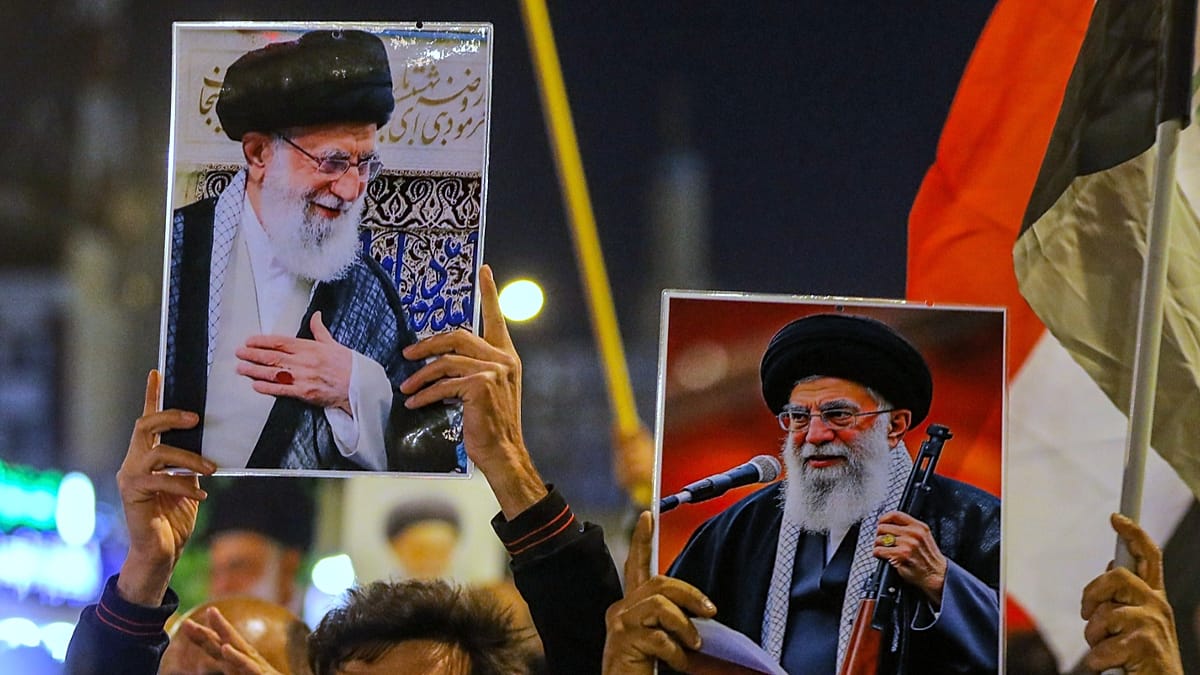
At least 70 senior Iranian officials have been killed across two waves of strikes, including the February 28, 2026 assassination of Supreme Leader Ali Khamenei and roughly 40 senior military commanders in a single operation. The earlier 12-day war in June 2025 and subsequent Israeli and US strikes through March 2026 account for the remainder; confirmed victims include top IRGC, Basij and intelligence figures. Expect immediate risk-off market moves — safe-haven bids, EM FX stress, and upward pressure on regional energy and defense assets — and elevated volatility until regional stability is reassessed. Monitor oil, regional contagion risks, major EM sovereign spreads, and defense-sector flows closely.
The decapitation of a centralized command structure in Iran materially increases the likelihood of decentralized, asymmetric retaliation from proxies and rogue units rather than a single negotiated response; expect a flurry of low-cost, high-friction attacks (sea mines, UAV swarms, cyber intrusions) that raise operational and insurance costs across the energy and shipping complex for weeks to months. Market mechanics: a short-duration spike in oil and freight rates (brent +5–15% within days under stress; Gulf war-risk premia in charter rates could double for 2–8 weeks) is the base case, while a longer-running low-intensity campaign would keep risk premia elevated and accelerate defense procurement cycles over 12–24 months.
The winners over a 6–18 month horizon are firms that can deliver integrated missile defense, tactical ISR and munitions at scale; the losers are high-beta EM assets, regional airlines/cruise operators, and intermediaries exposed to sovereign and trade flow disruption. Supply chains for precision guidance (specialty semiconductors, high-reliability sensors) will show 6–12 month bottlenecks, creating outsized margin upside for primes with backlog and vertical integration. Financial plumbing risks — CDS widening for regional sovereigns, FX depreciation for nearby EMs, and a bid for USD/Treasuries — are immediate and measurable catalysts for risk-off positioning.
Key reversal catalysts are credible de-escalation signals (sustained diplomatic channels, hostage/ceasefire deals) or a rapid reconstitution of centralized Iranian control that reins in proxies; both would normalize risk premia within 30–90 days. Conversely, fragmentation and prolonged asymmetric pressure convert a temporary shock into a multi-year rearmament cycle, supporting a structural re-rating of defense contractors and persistent hedging demand across commodities and sovereign credit.
AI-powered research, real-time alerts, and portfolio analytics for institutional investors.
Request DemoOverall Sentiment
extremely negative
Sentiment Score
-0.95
