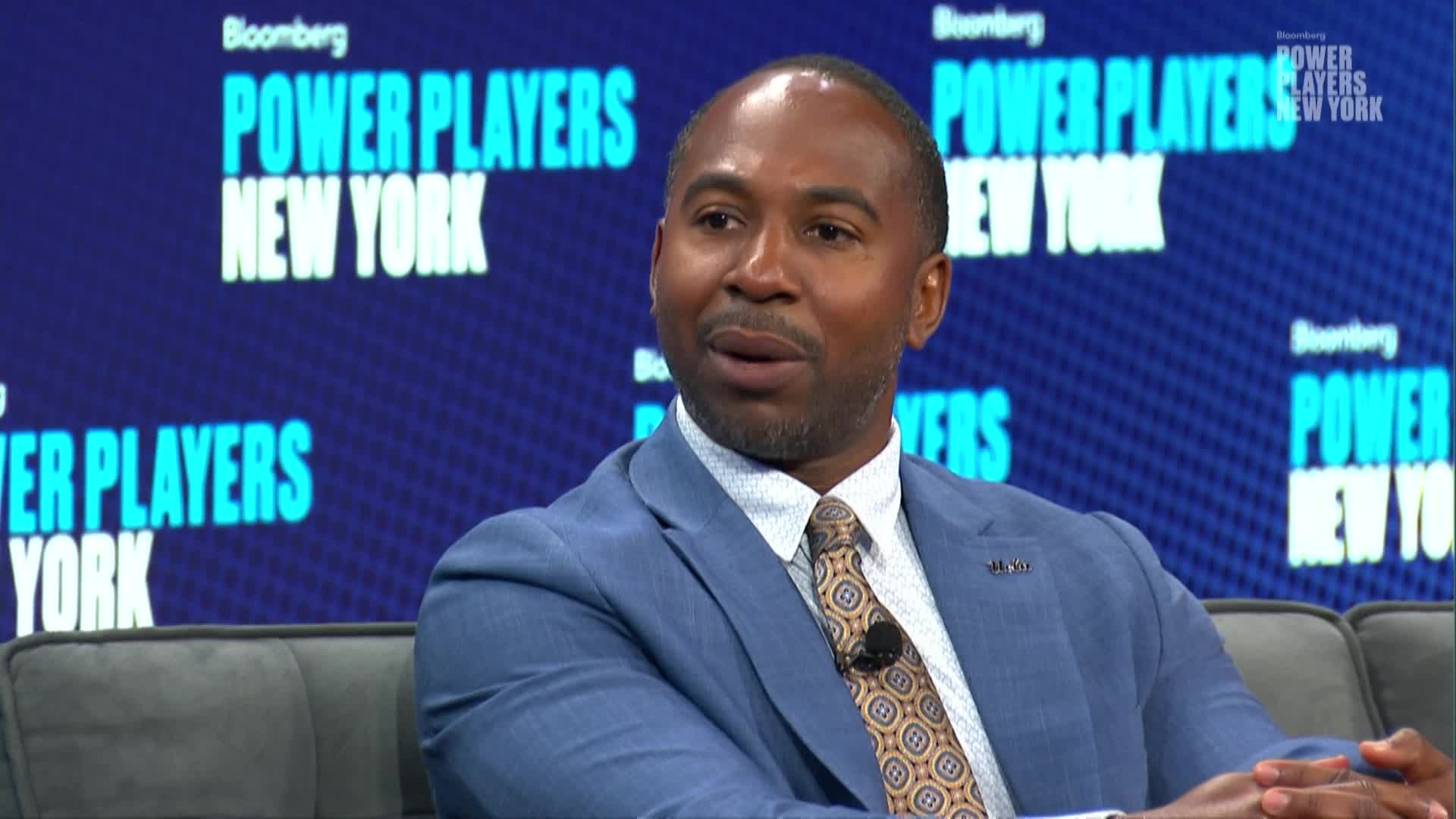
At Bloomberg Power Players, athletic directors Ross Bjork (Ohio State), Martin Jarmond (UCLA), and Nina King (Duke) discussed the profound transformation of college athletics. They highlighted how Name, Image, Likeness (NIL) policies, evolving Ivy League debates, and the Dartmouth unionization battle are fundamentally reshaping the competitive landscape and the future for student-athletes, signaling significant structural and financial shifts within the sector.
A panel discussion featuring athletic directors from Ohio State, UCLA, and Duke has highlighted a period of profound structural and financial transformation within college athletics. The key drivers identified are the implementation of Name, Image, Likeness (NIL) policies, the legal battle over student-athlete unionization at Dartmouth, and ongoing strategic debates within the Ivy League. These developments collectively signal a fundamental reshaping of the traditional amateurism model that has governed collegiate sports. The involvement of leaders from top-tier athletic programs underscores the industry-wide significance of these changes. While the discussion did not specify immediate financial outcomes or mention publicly traded entities, the themes of regulation, litigation, and governance point to a shifting competitive and economic landscape that will likely have long-term implications for all stakeholders in the multi-billion dollar college sports ecosystem.
AI-powered research, real-time alerts, and portfolio analytics for institutional investors.
Request DemoOverall Sentiment
neutral
Sentiment Score
0.00
