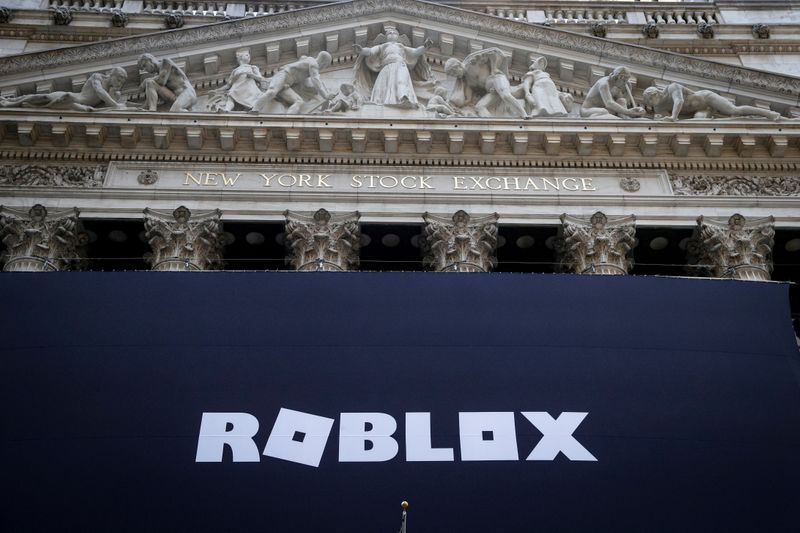
Roblox Chief Accounting Officer Amy Marie Rawlings sold 2,895 shares on May 20, 2026 for $130,969 in a mandatory sell-to-cover transaction tied to RSU tax withholding, leaving her with 35,238 direct shares plus 14,197 indirect shares via a family trust. The article also notes Roblox’s newly authorized $3 billion buyback program, a DA Davidson price target cut to $45, and Needham’s reiterated Buy with a $60 target. Shares recently rose to $48.16, up 12% over the past week, but remain far below the 52-week high of $150.59.
The key signal here is not the insider sale itself but the combination of a mandatory sell-to-cover and a fresh buyback authorization. That shifts the read-through from “insiders are exiting” to “management is using equity as currency while the company is simultaneously becoming a net buyer of its own stock,” which matters more for float dynamics than for governance optics. If execution ramps, the repurchase program can partially neutralize ongoing dilution from compensation and create a cleaner path for per-share metrics to inflect even if topline engagement is uneven.
The market is still treating RBLX like a high-duration consumer platform, so the next leg is likely to be driven by user growth inflections and take-rate confidence rather than balance-sheet news. The second-order effect is that any sustained improvement in engagement can force systematic re-rating because the stock is already far below prior peak multiples; that gives upside convexity if the recent traffic rebound persists for several quarters, not just weeks. Conversely, if user metrics roll over again, the buyback becomes less of a catalyst and more of a signal that management is trying to support the stock while fundamentals lag.
The most interesting contradiction is that the valuation setup is asymmetric even though sentiment remains mixed. Bulls can argue the company is entering a phase where capital returns and improving engagement coincide, but bears should note that the buyback only helps if operating leverage and bookings quality stabilize; otherwise it mainly offsets dilution and buys time. In that sense, the market may be underappreciating how much a modest engagement recovery can matter to a stock with a large discount to historical highs, but overestimating how quickly buybacks translate into durable rerating without sustained product traction.
AI-powered research, real-time alerts, and portfolio analytics for institutional investors.
Request DemoOverall Sentiment
neutral
Sentiment Score
0.10
Ticker Sentiment
