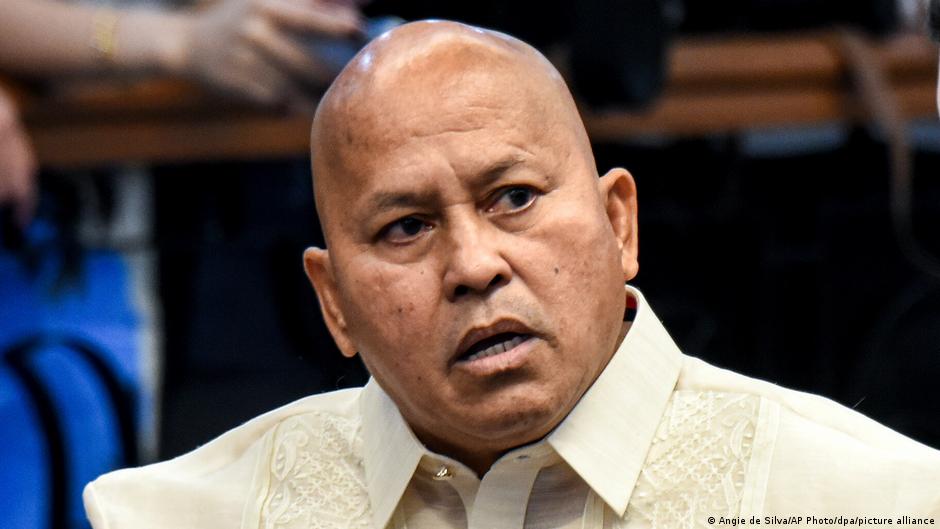
The Philippine government ordered the arrest of Senator Ronald dela Rosa after the ICC unsealed murder-related crimes-against-humanity charges tied to Rodrigo Duterte's war-on-drugs campaign. The Supreme Court rejected his bid for a temporary restraining order, and authorities now consider him a fugitive. The article is politically significant but has limited direct market impact.
This is a governance shock, but the market-relevant edge is not the legal case itself; it is the signal that the current administration is willing to pay domestic political cost to show institutional compliance. That reduces the probability of a slow-burn constitutional crisis, which is mildly positive for Philippine sovereign risk and banks with domestic loan books, but it raises near-term headline volatility and protest risk. In practice, the most vulnerable assets are not equities broadly but local duration and anything tied to consumer confidence if unrest becomes visible.
The second-order effect is on political fragmentation ahead of the next policy cycle: the more the administration is seen enforcing external legal norms, the more it risks mobilizing nationalist backlash in the Senate and among security-adjacent networks. That creates a two-stage risk: days-to-weeks for street volatility and cabinet noise, then months for legislative gridlock that can slow reform execution, infrastructure approvals, and procurement. Foreign investors usually underprice this transition from "rule of law" optics to "policy paralysis" risk.
The contrarian view is that the cleanest trade may be to fade the initial risk-off impulse rather than chase it. The arrest action removes a tail risk of open defiance by the executive branch and lowers the odds of sanctions or diplomatic isolation that would matter more to FX and funding costs than the legal saga itself. If the arrest proceeds without mass unrest over the next 1-2 weeks, the tape should revert quickly as the market refocuses on growth and rates.
The key catalyst is operational: whether authorities can execute custody transfer without a televised confrontation inside Manila. Any escalation involving uniforms, Senate standoff, or mass rallies would extend the event window from days to multiple months and force a repricing of domestic volatility. Conversely, a quiet arrest and orderly court process would likely cap the equity impact and compress any spike in political-risk premium.
AI-powered research, real-time alerts, and portfolio analytics for institutional investors.
Request DemoOverall Sentiment
mildly negative
Sentiment Score
-0.40
