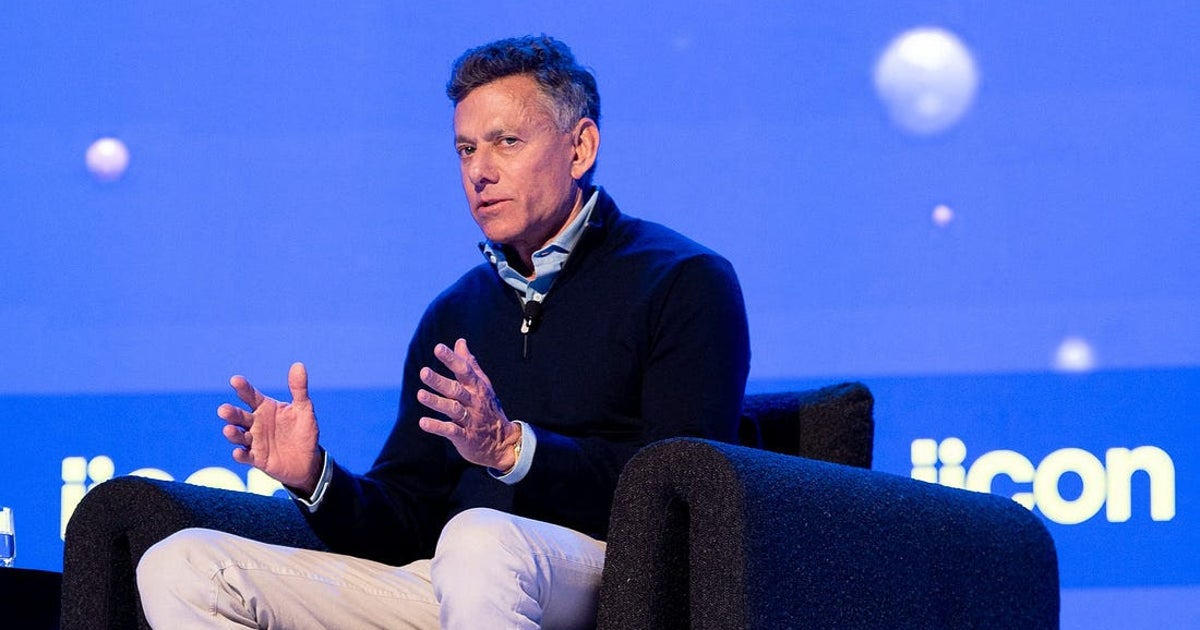
Take-Two CEO Strauss Zelnick reiterated that GTA 6 will receive a "very significant broad based marketing campaign" and confirmed the company remains highly focused on its November launch. He also said Take-Two is pursuing AI-enabled productivity across a couple hundred projects, while emphasizing that technology will not replace human creativity or jobs. The company said mobile is about half of business currently, with Zynga still a major contributor and several new mobile releases planned each year.
TTWO still looks like the cleaner expression of an “event-driven quality compounder” in games: the market is underestimating how much operating leverage sits behind a single franchise launch layered on top of a surprisingly resilient mobile cash engine. The second-order effect is not just a GTA spike; it is a multi-quarter reset in investor perception around durability, with the balance sheet and leadership stability giving management room to absorb launch volatility without forcing bad capital allocation. If execution is merely good, not perfect, the stock likely re-rates on earnings visibility rather than headline hype.
The more interesting read-through is competitive: Zelnick’s refusal to chase Roblox or the AA segment is effectively a declaration that the industry will bifurcate further into platform aggregators, premium blockbusters, and long-tail indies, with TTWO leaning hard into the highest-variance but highest-ROI lane. That should pressure smaller publishers that lack either IP scale or platform economics, while also reinforcing the idea that “AI productivity” is a margin tool, not a creative substitute. In practice, that means the cost savings from tools could accrue to the biggest IP owners first, widening the gap versus mid-tier peers.
RBLX gets a mixed signal. The dismissive framing around platforms is not a near-term bearish catalyst, but it does highlight that the premium publishing cohort sees Roblox as a different business model, not a must-own competitive threat, which tempers the narrative that all entertainment growth must flow through UGC platforms. NFLX is a loose beneficiary only through the broader “biggest entertainment company” framing: TTWO’s ambition reinforces that premium content with global distribution and strong IP remains investable, but gaming launches are much more binary than streaming subs.
Key risks are timing and expectation management. If the GTA marketing campaign is too muted or the launch cadence slips, the valuation support can fade quickly because the setup is already crowded; conversely, a clean marketing drumbeat over the next 1-3 months could force incremental buying ahead of the release. The contrarian point is that AI is less a labor-displacement story here than a production-efficiency story, so the market’s fixation on margin expansion may be premature; the bigger payoff is in launch quality and franchise endurance, not headcount cuts.
AI-powered research, real-time alerts, and portfolio analytics for institutional investors.
Request DemoOverall Sentiment
mildly positive
Sentiment Score
0.22
Ticker Sentiment
