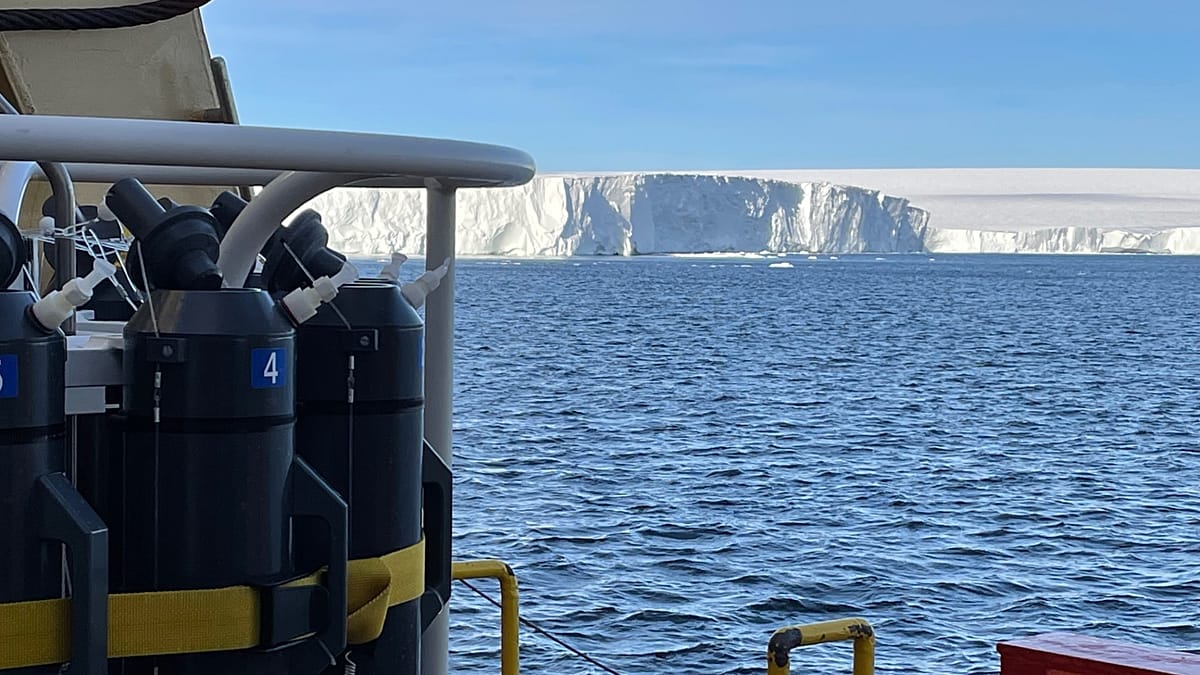
A Rutgers-led 2022 field study at the Dotson Ice Shelf (Amundsen Sea) found that only ~10% of outflowing dissolved iron originates from meltwater, with 62% coming from inflowing deep ocean water and 28% from shelf sediments, challenging the idea that Antarctic melt will substantially fertilize phytoplankton and sequester CO2. The paper (Communications Earth and Environment) also identified a low-oxygen liquid layer beneath the glacier as a potential iron source. Given Thwaites Glacier’s outsized role in sea-level rise (≈4% of current annual rise; full collapse could add ~65 cm), the results reduce hopes for a natural “silver lining” carbon sink and may affect ESG/green investment assumptions tied to natural carbon drawdown strategies.
Market structure: The paper removes a plausible natural carbon sink, shifting marginal mitigation needs from passive (Antarctic iron fertilisation) to active solutions — CCUS, engineered removal, and coastal hardening — concentrating value into industrial gases, carbon-capture tech, and civil contractors over 1–10 years. Insurers and reinsurers face higher expected loss curves for coastal exposures; expect underwriting tightening and premium increases, improving brokers’ fee capture but pressuring property valuations in flood zones.
Risk assessment: Tail risks include fast policy tightening (carbon prices +20–50% vs current levels in 3–7 years if natural sinks are discounted) and litigation/regulatory bans on geoengineering that crush niche ocean projects. Short-term (days–months) market moves will be muted; medium-term (6–24 months) repricing of carbon, renewables, and insurance risk premia is likely; long-term (3–10 years) structural capital flows into CCUS and adaptation infrastructure will dominate.
Trade implications: Prefer exposure to scalable mitigation suppliers (industrial gases, CCUS equipment, renewables) and distribution/broker channels that monetize rising premiums; de-emphasize pure-play ocean geoengineering and undercapitalized coastal real-estate REITs. Use options to hedge insurance downside (buy puts on coastal-insurer names) and call spreads to lever renewable/CCUS upside while limiting premium spend.
Contrarian angles: Consensus may overshoot toward immediate harsh sell-offs in fossil fuels; in reality majors with CCUS programs (XOM, CVX) could gain strategic optionality and become takeover targets — avoid large shorts. Also bedrock-sourced iron and anoxic boundary layers remain uncertain; small-cap climate-tech names tied to ocean fertilisation could be materially mispriced and binary — avoid levered long exposure without milestone de-risking.
AI-powered research, real-time alerts, and portfolio analytics for institutional investors.
Request TrialOverall Sentiment
neutral
Sentiment Score
0.00
