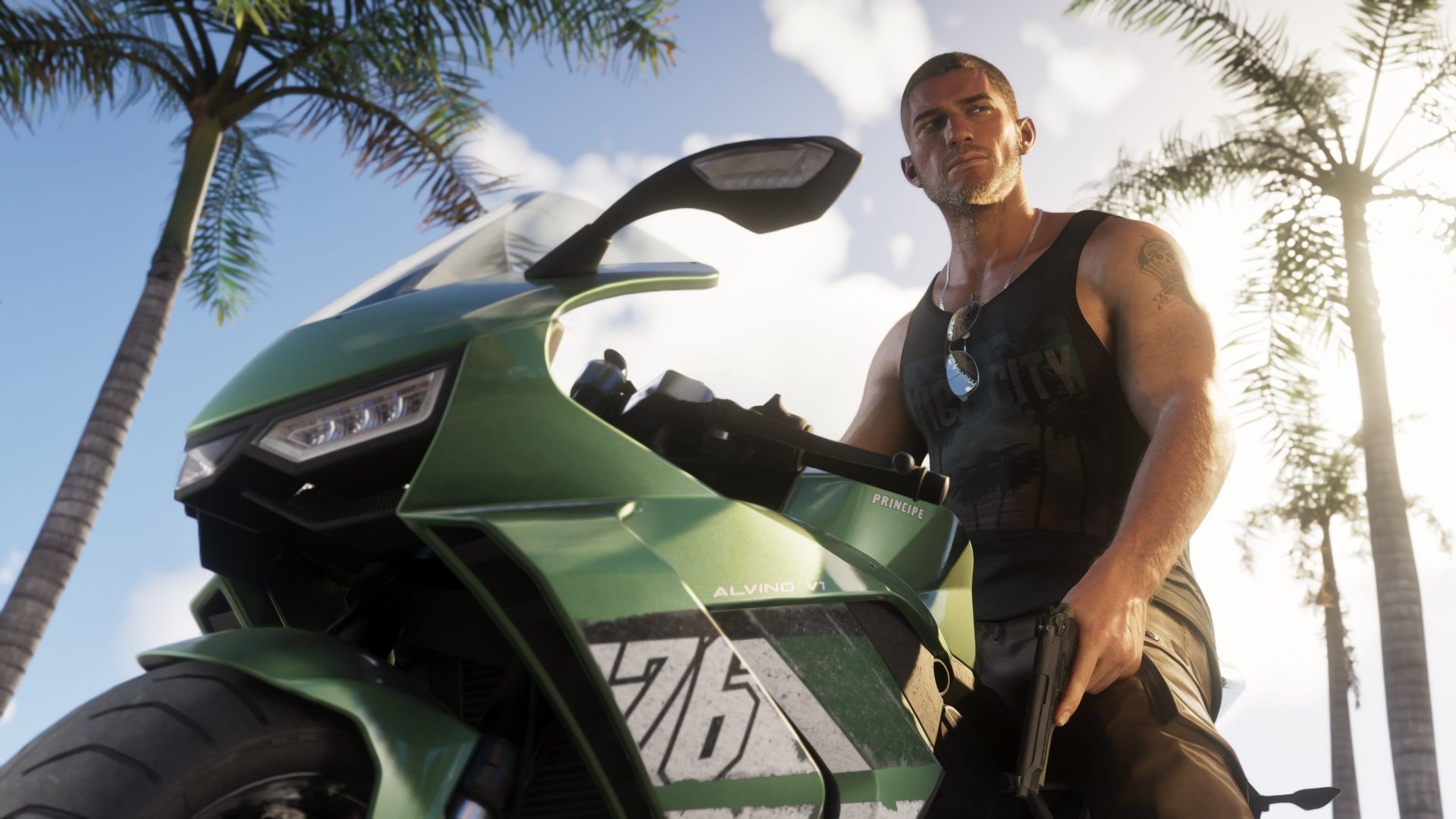
Take-Two CEO Strauss Zelnick reaffirmed that critical reviews matter for GTA 6, saying Rockstar titles typically score in the mid-90s and that this reflects the studio's commitment to quality. He also contrasted Rockstar's track record with other former Rockstar-led efforts, seemingly referencing MindsEye studio Build A Rocket Boy, while reiterating that Take-Two is focused on attracting extraordinary creative talent. Take-Two still expects GTA 6 to launch on November 19 for PS5 and Xbox Series X/S, with no PC release yet announced.
This reads less like a one-off brag and more like management signaling around quality control ahead of a flagship launch. In this segment, reputation is a pricing asset: if the next title lands with elite critical scores, Take-Two can defend premium pricing longer, reduce promo intensity, and extend the cash-flow tail through stronger attach rates and DLC monetization. The market tends to underappreciate how much a single tentpole can de-risk an entire release calendar for a multi-year period.
The more interesting second-order effect is competitive capital allocation. When a platform-defining publisher publicly frames “hits” as a scarce creative output, it reinforces that the bottleneck is talent density, not budget or IP alone; that should keep smaller adjacent studios under pressure to justify burn, especially those trading on legacy Rockstar pedigree. Any widely reviewed disappointment from a former-Rockstar-led shop also becomes an ecosystem-wide negative signal for premium third-person action games, which can compress valuation multiples for similar private and public peers.
Risk is mostly timing and expectations. The near-term setup is binary over the next 1-6 months: if launch quality is pristine, the stock can rerate on confidence in lifetime unit economics; if review scores disappoint, the de-rating could be disproportionate because investors have already anchored on near-perfect execution. The largest tail risk is not one bad review cycle, but a delay, platform-specific technical issue, or launch-day moderation problem that damages the franchise halo and pushes bookings recognition rightward by a quarter or two.
AI-powered research, real-time alerts, and portfolio analytics for institutional investors.
Request TrialOverall Sentiment
neutral
Sentiment Score
0.05
