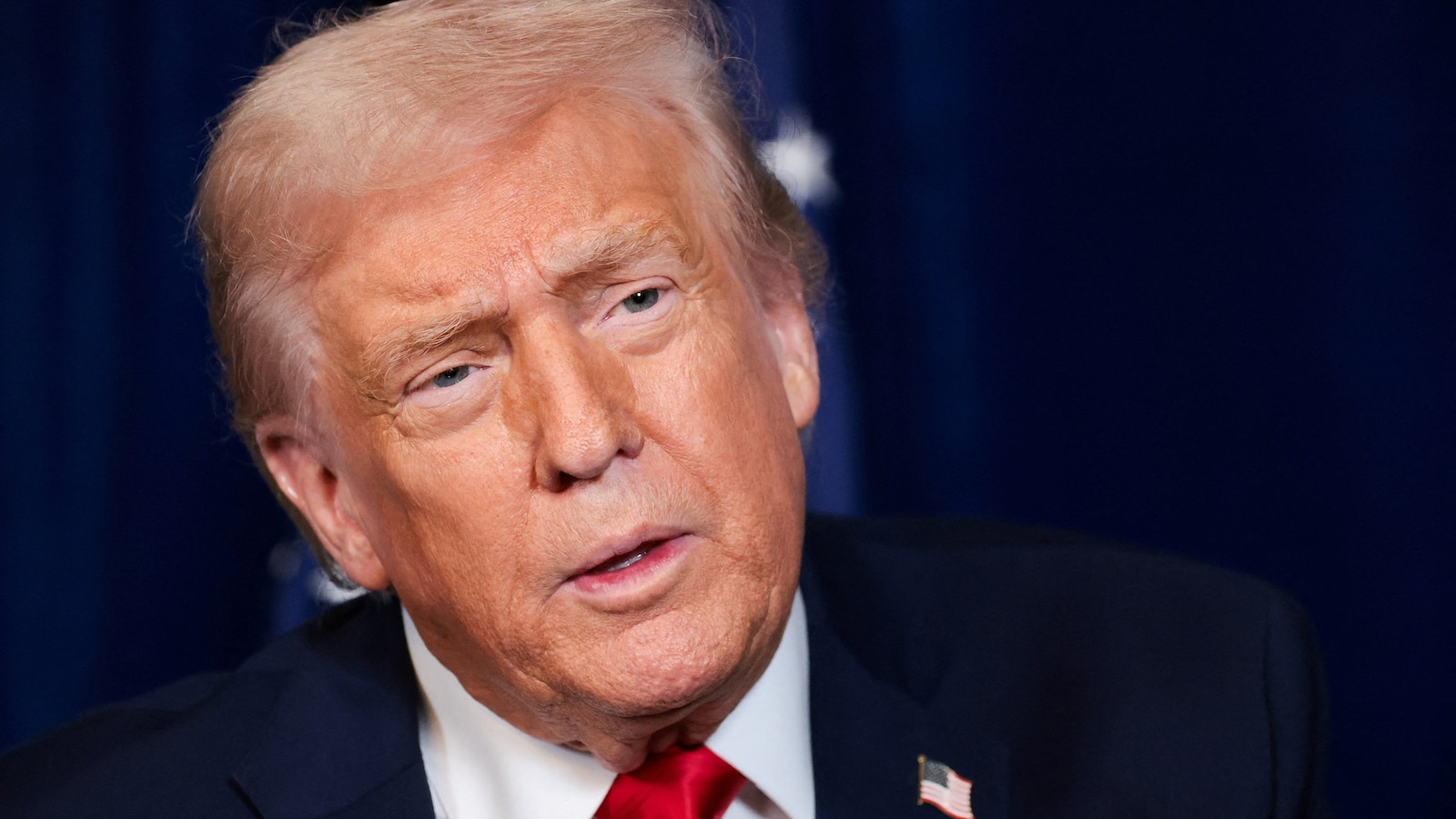
The administration’s new travel restrictions adding Burkina Faso, Laos, Mali, Niger, Sierra Leone, South Sudan and Syria go into effect Jan. 1, expanding an existing list of countries barred for national-security and public-safety reasons. Separately, H‑1B visa rules that took effect this week replace the lottery with a wage‑weighted selection intended to prioritize higher-paid petitions; USCIS notes an 85,000 annual H‑1B cap and argues the change prevents lower‑wage hiring practices, while immigration attorneys warn it will sharply reduce eligibility and hurt international student retention. The combined policy moves tighten immigration and skilled‑labor flows—raising potential labor‑cost and talent‑availability risks for tech and other sectors that rely on H‑1B hires.
Market structure: The H‑1B weighting and expanded travel bans create a bifurcation: large, cash‑rich tech firms (MSFT, GOOGL, AMZN) gain pricing power in talent markets because they can pay the higher wages prioritized by the rule, while early‑stage tech, US SMEs and H‑1B‑dependent Indian/consulting services (CTSH, INFY, WIT) face immediate hiring friction and higher labor costs. With 85,000 H‑1B slots and a newly weighted draw, expect a ~5–15% transmission into mid‑tier wage inflation for software engineers over 12–24 months, squeezing small‑cap margins and deal pipelines.
Risk assessment: Tail risks include swift judicial injunctions (which would reverse short‑term dislocations), retaliatory restrictions from affected countries, or accelerated offshore hiring that blunts US domestic wage effects. Time horizons split: days–weeks for market repricings around filings and legal news, 1–6 months for hiring and Q‑report impacts, and 1–3 years for structural innovation/brain‑drain effects. Hidden dependency: remote‑work platforms and global payroll vendors (UPWK, DL) can arbitrage visa limits and materially offset demand shocks.
Trade implications: Expect relative outperformance of large cap tech and cybersecurity/defense names (PANW, LMT) and underperformance of Indian IT and staffing firms; small‑cap tech will show elevated implied volatility—trade via short dated put spreads on CTSH/INFY and long call spreads on MSFT/GOOGL. Cross‑asset: USD strength modestly supported by tighter immigration (lower long‑term labor supply), minimal commodity impact, and potential bump in defense bond issuance if policy persists.
Contrarian angles: Consensus may over‑penalize Indian IT for a multi‑year hit—firms can re‑scale via offshore delivery and remote hiring within 6–12 months, creating a mean‑reversion trade; conversely, market may underappreciate acceleration in automation spend as firms substitute expensive labor with tooling (benefitting MSFT, NOW, ZS). Watch legal timelines: a court reversal within 60–90 days is the highest catalyst to flip positions.
AI-powered research, real-time alerts, and portfolio analytics for institutional investors.
Request DemoOverall Sentiment
moderately negative
Sentiment Score
-0.33
