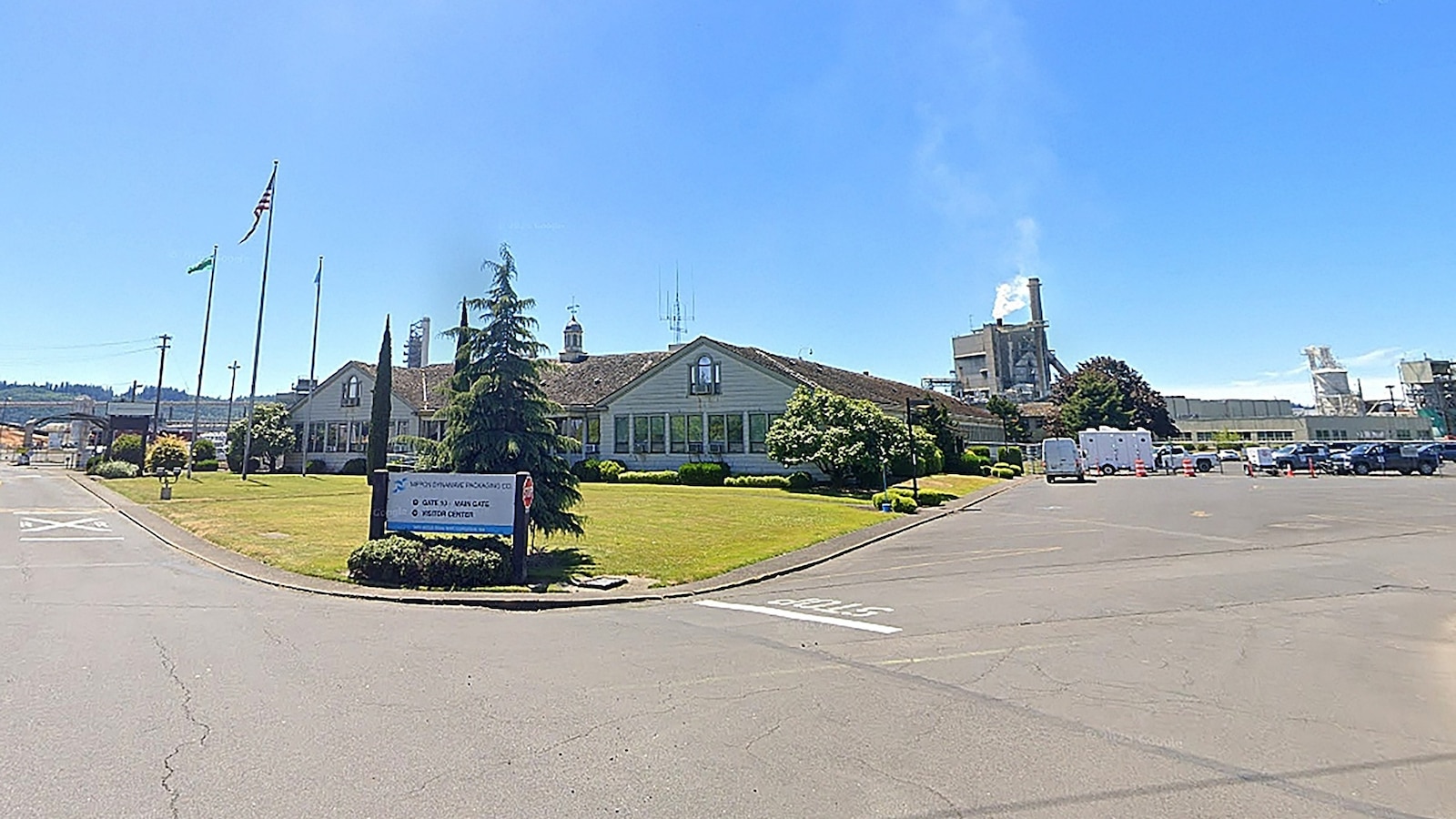
Multiple people were injured in a chemical vat implosion at Nippon Dynawave Packaging’s Longview, Washington facility at about 7:18 a.m., with some victims suffering chemical burns and being transported to area hospitals. Fire crews and hazardous materials teams remain on site to mitigate the product and container involved, while authorities say there is no immediate threat to the public. The incident is an operational and safety negative for the facility, though the broader market impact is likely limited.
This is a localized industrial accident, but the investable angle is less about the facility itself and more about near-term operating friction for any adjacent pulp, packaging, and chemical-treatment supply chain. The first-order market impact is likely negligible; the second-order risk is a short-lived but real disruption to a border-region industrial corridor where transportation, utilities, emergency access, and contamination review can create outsized downtime relative to the physical size of the event.
The bigger medium-term issue is legal and insurance leakage. A chemical-release injury event tends to trigger a chain of workers' comp claims, site remediation costs, regulatory scrutiny, and contract reviews by customers who do not want ESG or safety exposure in mission-critical packaging inputs. Even if operations restart quickly, management teams across the sector often face a 1-2 quarter lag in higher compliance spending, tighter vendor qualification, and elevated captive-insurance reserves.
For equities, this is more of a sentiment and liability monitor than a direct catalyst. The cleanest read-through is to industrial safety, environmental remediation, and specialty insurance rather than broad packaging beta. If investigations show maintenance, process-control, or containment failures, the downside can extend for months via fines, civil litigation, and possible customer churn; if it is clearly isolated operator error with no systemic issue, the market will likely fade it within days.
The contrarian point is that these events are often overread as sector-wide operational stress when they are usually company-specific. Unless there is evidence of repeat incidents or a common supplier/process vulnerability, the likely tradable move is in smaller industrial safety/cleanup beneficiaries rather than shorts in packaging peers. That said, if regulators broaden the review to similar facilities, the trade could become a multiple-quarter headwind for the entire niche.
AI-powered research, real-time alerts, and portfolio analytics for institutional investors.
Request DemoOverall Sentiment
moderately negative
Sentiment Score
-0.40
