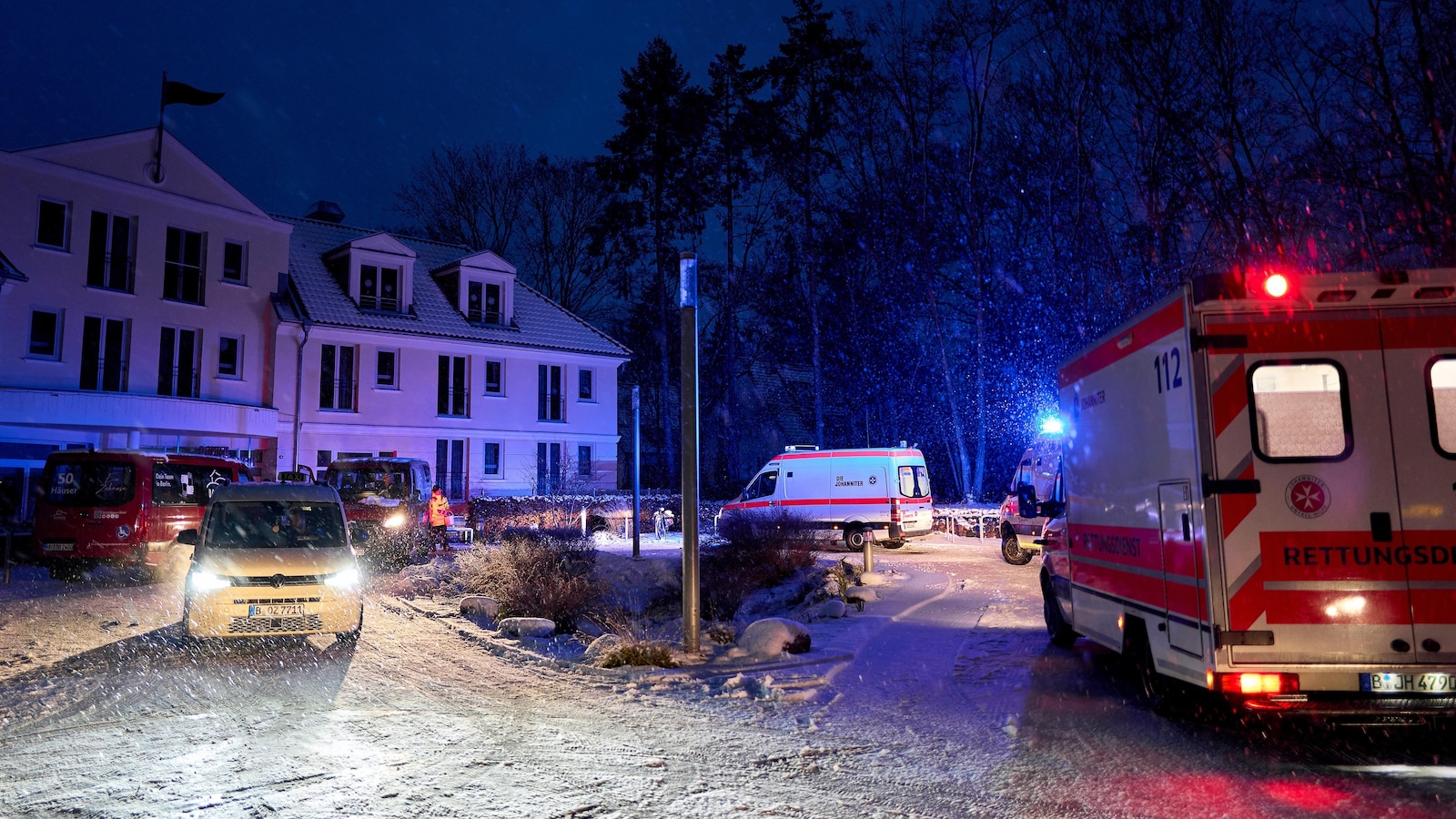
A deliberate fire on a cable bridge over the Teltow Canal near the Lichterfelde power plant has cut electricity to over 45,000 households and 2,200 businesses in southwest Berlin, with authorities calling it a politically motivated attack by left-wing extremists. Restoration efforts have been hampered by snowy, freezing conditions and officials expect many customers to remain without power until Thursday; the incident is under arson investigation and compared to a similar outage last September, raising localized operational and political risk for utilities and critical services.
Market structure: Immediate winners are grid-equipment and cable manufacturers (Siemens SIEGY, ABB ABB, Prysmian PRYMF) and regulated utilities (E.ON EOAN.DE, RWE RWE.DE) who can win accelerated resiliency capex; estimate a potential 5–15% uplift in European transmission/order pipelines over 12–24 months if policy follows. Losers are local retailers/REITs in affected districts and small municipal utilities with outage liability exposure; short-term spot power in Berlin can spike 10–30% for days, pressuring gas-to-power margins and increasing near-term commodity demand (copper, aluminum). Cross-asset: risk-off flows may bid German Bunds and safe-haven assets; copper ETFs (COPX) and 3–6 month forward cable makers see positive skew; EUR may weaken modestly vs CHF/EUR funding flows if escalation continues.
Risk assessment: Tail risks include coordinated large-scale attacks causing national outages and potential temporary nationalization/price controls on grid companies (low probability, high impact) and insurance losses that could compress insurers’ earnings (Allianz ALIZY exposure). Time buckets: immediate (days) = power-price spikes, business interruption; short (weeks–months) = order announcements, procurement tenders; long (quarters–years) = structural grid-hardening capex 5–10% p.a. Hidden dependencies include cable lead-times (months), permitting, and political will for EU/municipal subsidies. Catalysts: admission of organized group, regulatory inquiries, EU funding packages within 30–90 days.
Trade implications: Prefer concentrated capex beneficiaries: establish 2–3% long SIEGY (target +20% in 6–12 months, stop -8%) and 1–2% long PRYMF (target +25% 6–12 months) to capture cable order flow; add 1% long EOAN.DE to play regulated upside. Use options to control risk: buy 3‑month SIEGY call spread (buy 8% OTM, sell 20% OTM) instead of outright stock if volatility > implied 30%. Hedge macro tail: buy 1–2% notional long 10y Bund futures (Eurex FGBL) for 3 months to protect equity downside.
Contrarian angles: Consensus assumes quick capex wins for large conglomerates—but procurement cycles and permitting mean much of revenue arrives 6–18 months out, so pure-play suppliers (PRYMF) may re-rate more than Siemens. Risk that public policy favors domestic EU suppliers or standards—short non-EU exposure in pair trades (long PRYMF, short multinational cable/diversified OEM) to exploit relative mispricing. Watch for overbaked defense/cyber trade rallies; avoid paying up >15% premium for cybersecurity names solely on politicization of attack without clear link to cyber vector.
AI-powered research, real-time alerts, and portfolio analytics for institutional investors.
Request DemoOverall Sentiment
moderately negative
Sentiment Score
-0.45
