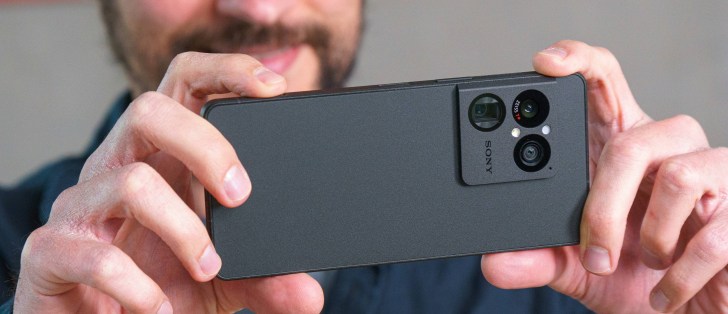
Sony's Xperia 1 VIII is largely an iterative flagship update, retaining a 6.5-inch OLED 1080x2340 display, 120Hz support, 5,000 mAh battery, and 30W wired charging. The phone posts solid practical results, including up to 2,198 nits peak brightness, about 18 hours of Active Use Score, and full HDR/Widevine L1 support, but there is no major hardware leap versus prior models. Overall, the article is a detailed product review with limited market-moving significance.
Sony is signaling that the Xperia line is no longer a spec-race platform; it is optimizing for margin preservation and brand differentiation around durability, creator tools, and legacy features. The second-order effect is that Sony is effectively conceding the top-end display/charging arms race to Android peers while protecting product identity, which should support gross margin stability but cap unit growth. For investors, that means this launch is more relevant as a read-through on Sony’s mobile business discipline than as a volume driver.
The most interesting competitive dynamic is not the phone itself but the ecosystem positioning. Retaining headphone jack, microSD, and battery health features appeals to a shrinking but high-intent niche of power users; that can reduce churn in Sony’s installed base, but it also reinforces the brand’s role as a premium niche player rather than a broad-market challenger. The lack of a differentiated software or charging experience leaves Sony exposed if Chinese OEMs continue to compress pricing on comparable hardware within the next 6-12 months.
NFLX gets a small practical benefit from the device’s certified streaming capability, but this is not material economically; the more relevant takeaway is that Sony continues to optimize for premium media consumption, which supports engagement with high-quality streaming and creator workflows. The bigger risk for Sony is that the device remains “good enough” rather than compelling enough to drive meaningful upgrade urgency, especially as consumers extend replacement cycles past three years. If the next cycle fails to introduce a visible hardware leap, the mobile segment likely stays strategically important but financially subscale.
Contrarian view: the market may over-index on what Sony is not doing here. In a weak smartphone profit pool, refusing to subsidize expensive display and charging gimmicks can be the right move; a stable niche with loyal users can be more valuable than chasing share at the expense of returns. The key catalyst to watch is not unit sales on launch, but whether Sony pairs this hardware with better carrier placement and bundle economics over the next two quarters.
AI-powered research, real-time alerts, and portfolio analytics for institutional investors.
Request DemoOverall Sentiment
neutral
Sentiment Score
0.10
Ticker Sentiment
