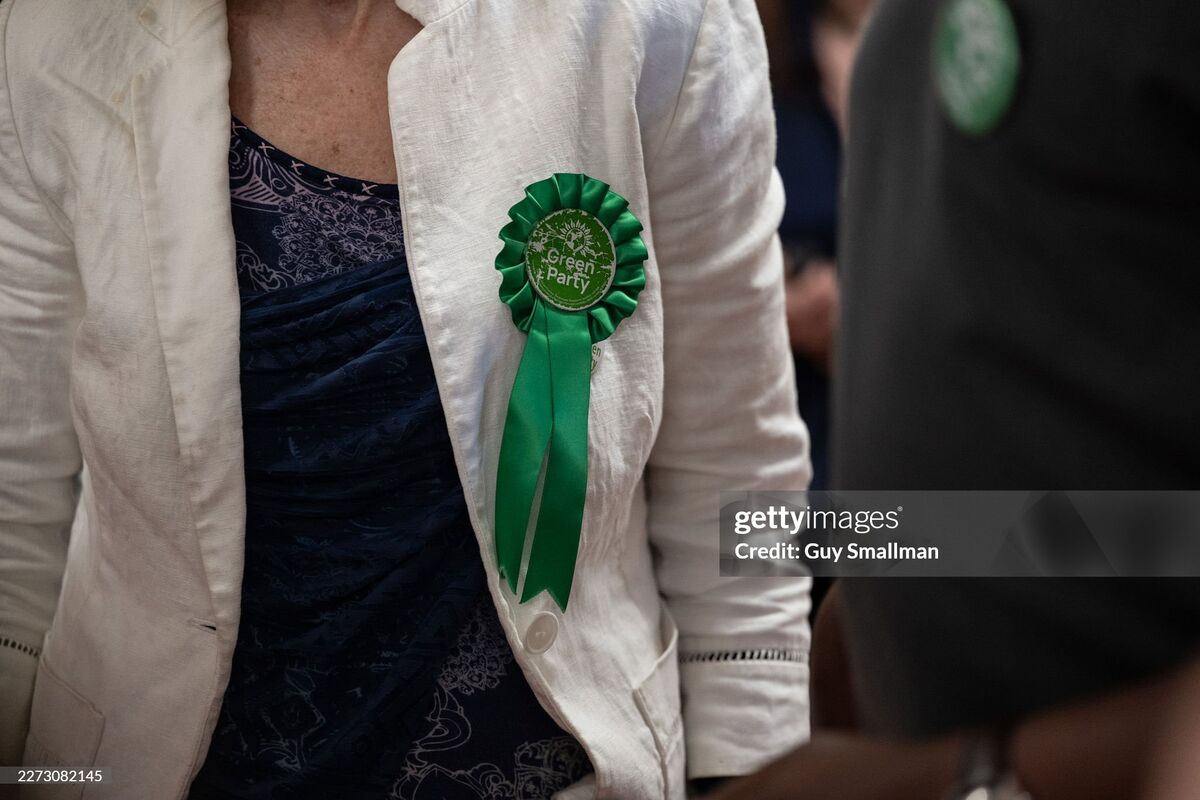
Labour is facing mounting voter dissatisfaction in London, with the article warning the party could lose support across the capital as voters drift toward the Greens. The piece highlights local frustration with Keir Starmer’s government rather than a specific policy or market event. Impact is limited and mostly political, with little direct near-term market implication.
The market implication is less about ideology and more about policy execution risk: when incumbents lose local control in expensive cities, the next-order effect is usually a weaker mandate for density, zoning reform, and tenant-friendly but supply-hostile housing policy. That creates a subtle tailwind for existing landlords and homebuilders with embedded land banks, because scarcity persists longer, while a headwind for operators dependent on faster planning approvals and public-private redevelopment pipelines. In London specifically, any drift toward fragmented governance raises the probability of slower project timelines over the next 12-24 months rather than an abrupt policy reset.
The bigger second-order winner may be “incumbent scarcity” in UK housing rather than any single political party: limited new supply supports rents, but also keeps affordability pressure politically toxic, which can freeze policymaking. That is negative for companies that need volume growth from new starts, but supportive for REITs and platforms with inflation-linked leases or exposure to constrained submarkets. If the Greens gain leverage, the market should assume more aggressive tenant protections and stricter development scrutiny, which can compress returns on forward-funded projects even if headline demand remains strong.
The contrarian view is that local political churn may be overread as a macro signal. Investors often extrapolate election optics into structural policy, but housing outcomes are usually driven by financing costs and planning bottlenecks more than party branding. If rates continue to fall, cheap capital could re-open transaction markets and partially offset the political drag within 6-9 months; that means the best trade is not a blunt short on UK property, but a relative-value expression against names most exposed to new development execution risk.
AI-powered research, real-time alerts, and portfolio analytics for institutional investors.
Request DemoOverall Sentiment
mildly negative
Sentiment Score
-0.20
