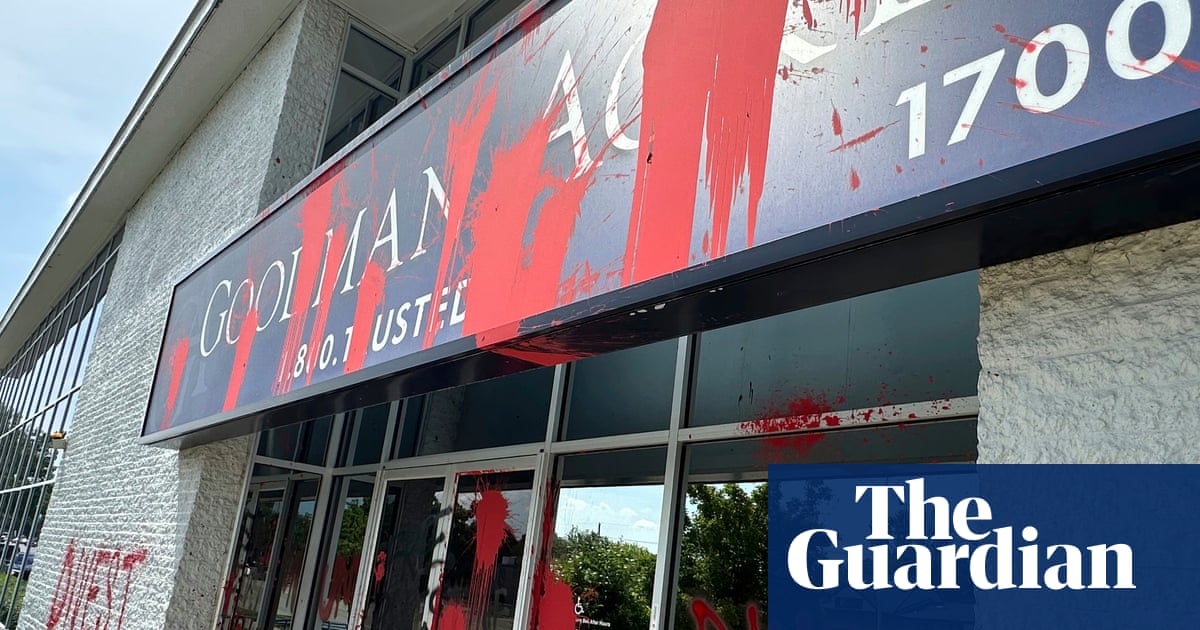
Federal prosecutors unsealed an indictment against eight pro-Palestinian activists accused of a criminal intimidation campaign targeting University of Michigan officials and related entities. The case includes allegations of vandalism, threatening symbols, and pressure on the university to sever financial ties to Israel, with six defendants due in federal court in Detroit. The article also highlights broader scrutiny of campus protests and the Trump administration’s aggressive enforcement posture.
This is a reputational and governance overhang first, but the market implication is more subtle: it raises the probability that large public institutions treat campus-linked protest risk as a board-level liability, which can spill into procurement, donor behavior, and state oversight. For BA and LMT, the direct revenue risk is small, but the headline connects their brands to a polarized domestic-politics fight that can intermittently pressure institutional ownership and ESG-adjacent mandates, especially if activist campaigns broaden from universities into pension systems and municipal funds.
The bigger second-order effect is on contract velocity rather than contract value. Defense primes do not usually lose awards from protest pressure, but they can face longer sales cycles, more disclosure scrutiny, and higher reputational friction around foreign military sales and munitions narratives; that matters if the environment pushes universities, endowments, or public buyers to add ethical screens or legal review layers. Near term, expect noise spikes around these names on any further arrests, hearings, or university settlement actions; over months, the key risk is whether federal enforcement emboldens institutional countermeasures or instead energizes broader activist coordination.
The contrarian read is that this may be a net positive for the defense complex if the political temperature drives more explicit “national security” framing and reduces the odds of campus-led divestment moving capital at scale. In other words, the controversy can polarize but not necessarily impair order books, while it may even reinforce the structural moat of the primes because substitute suppliers are limited. The tradeable risk is headline volatility, not fundamental demand destruction.
AI-powered research, real-time alerts, and portfolio analytics for institutional investors.
Request DemoOverall Sentiment
moderately negative
Sentiment Score
-0.45
Ticker Sentiment
