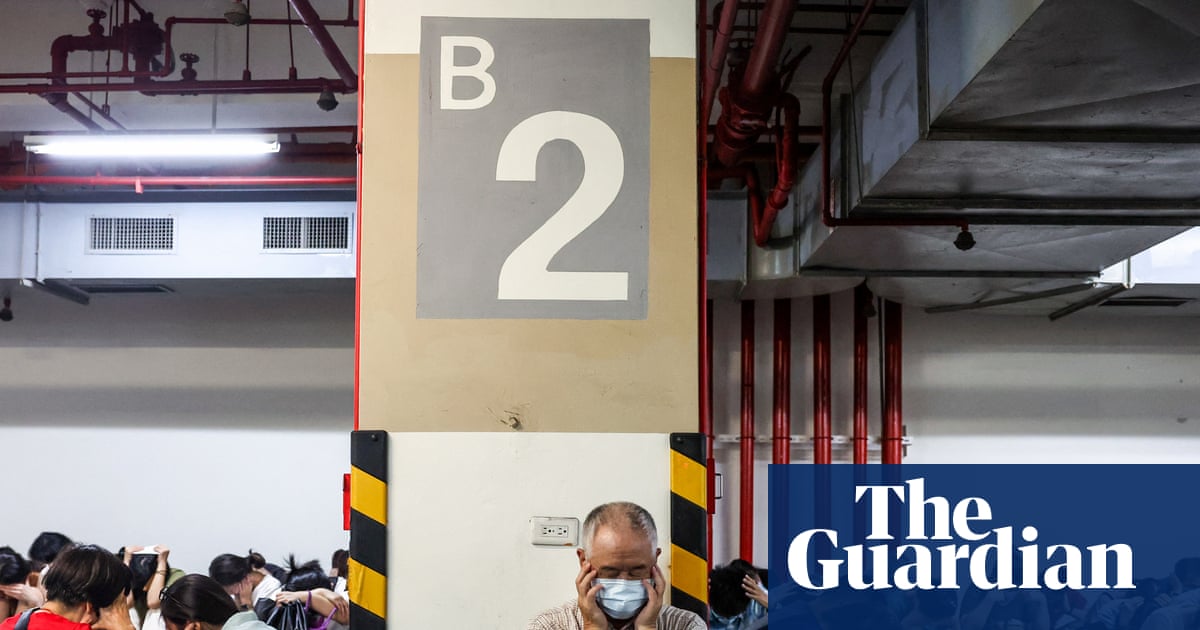
Taiwan is significantly escalating its defense preparedness, integrating annual military exercises (Han Kuang) with expanded civilian urban resilience drills amid rising cross-strait tensions and lessons from global conflicts. These comprehensive drills now feature urban warfare simulations, public deployment of advanced weaponry like Himars, and the largest-ever reservist mobilization alongside extensive civilian volunteer training, signifying a major strategic shift towards integrated deterrence. While President Lai Ching-te emphasizes these preparations are for safety and not provocation, China has labeled the drills "futile" and responded with increased military incursions, highlighting the escalating geopolitical risks in the region.
Taiwan is executing a significant strategic pivot in its national defense, shifting from a conventional military focus to a whole-of-society resilience model in response to heightened cross-strait tensions and lessons from global conflicts. The integration of the annual Han Kuang military exercises with large-scale civilian urban resilience drills, which now feature urban warfare simulations and public deployment of advanced weaponry like HIMARS systems, marks a material escalation in preparedness. This shift, described by experts as a "big strategic shift," is further evidenced by the largest-ever reservist mobilization of over 20,000 personnel and plans to train millions of civilian volunteers. While President Lai Ching-te's administration frames these measures as defensive preparations for safety, China has labeled them "futile" provocations and responded by increasing military incursions. This dynamic signals a sustained and intensifying period of geopolitical risk in a region critical to global supply chains, although domestic concerns regarding the practical effectiveness of civilian shelters and training persist.
AI-powered research, real-time alerts, and portfolio analytics for institutional investors.
Overall Sentiment
moderately negative
Sentiment Score
-0.50
