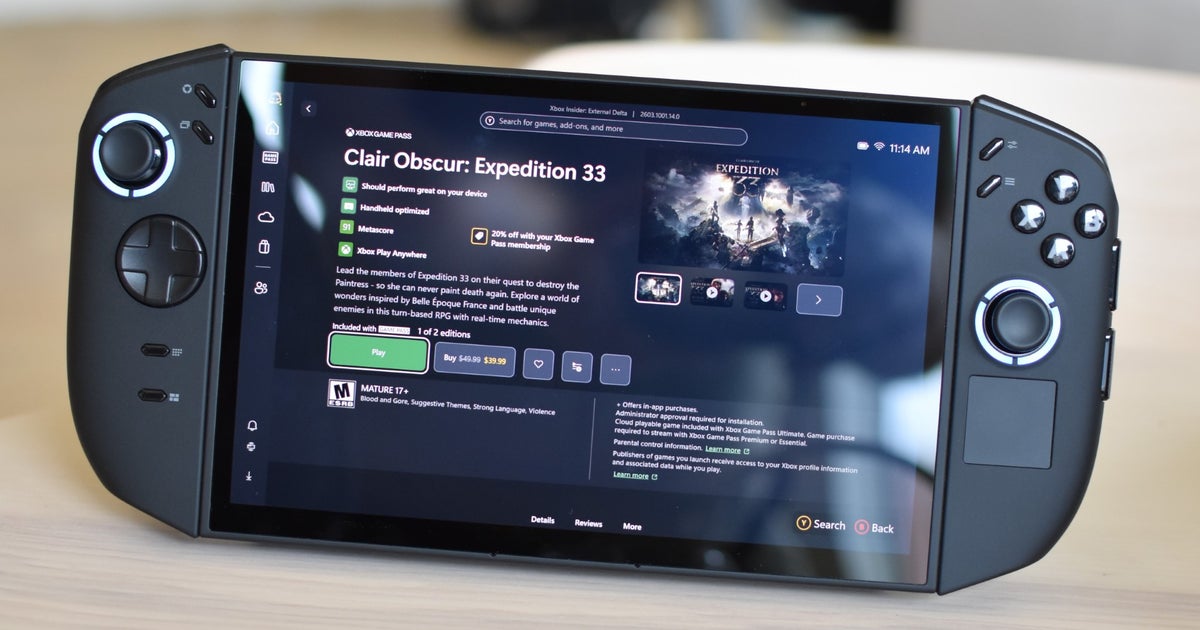
Project Helix / Xbox Full Screen Experience: the author argues FSE is likely a dry-run for Microsoft’s Project Helix but finds it flawed. FSE improves controller/handheld usability and suppresses some Windows bloat, but shows negligible game performance gains versus stock Windows, is less snappy than SteamOS, and prioritizes Game Pass/promotional content over installed user libraries. Implication: Microsoft will likely need a faster, lighter, and less monetized UX for Project Helix to be competitive; this is product-level and unlikely to move MSFT stock materially in the near term.
Microsoft is effectively using a narrow, low-profile product class (handhelds) as a behavioral lab for a bigger platform decision; that means OEM telemetry and third-party launcher uptake will be early signals for whether Project Helix becomes a customer-lock tool or a niche experiment. Expect chip-sourcing decisions to follow a 12–24 month cadence: semi‑custom console/APU contracts are negotiated well ahead of launch, so any supply wins will show up in component bookings on the next two AMD quarterly prints rather than in immediate revenue.
The bigger second‑order risk is regulatory and competitive. If Microsoft embeds Game Pass and its storefront advantage into the UX in a way that meaningfully reduces rivals’ distribution, you get increased antitrust attention in the EU/US—an outcome that could force UI concessions or monetization limits within 6–18 months. Conversely, if consumers prefer lighter, less-promoted ecosystems (e.g., Valve/SteamOS), Game Pass adoption could stall, compressing projected Lifetime Value assumptions used by investors to justify a higher gaming multiple.
Operationally, the modest technical gains from the current Full Screen Experience reduce the organic performance argument for Helix hardware; the company will need either exclusive content, supply‑side economics (cheaper hardware), or a cloud monetization step to move consumers. Key near‑term catalysts: Microsoft developer showings, OEM partnership announcements, AMD semi‑custom booking cadence, and any regulator inquiries—watch those over the next 3–12 months for directionality.
AI-powered research, real-time alerts, and portfolio analytics for institutional investors.
Request DemoOverall Sentiment
mildly negative
Sentiment Score
-0.25
Ticker Sentiment
