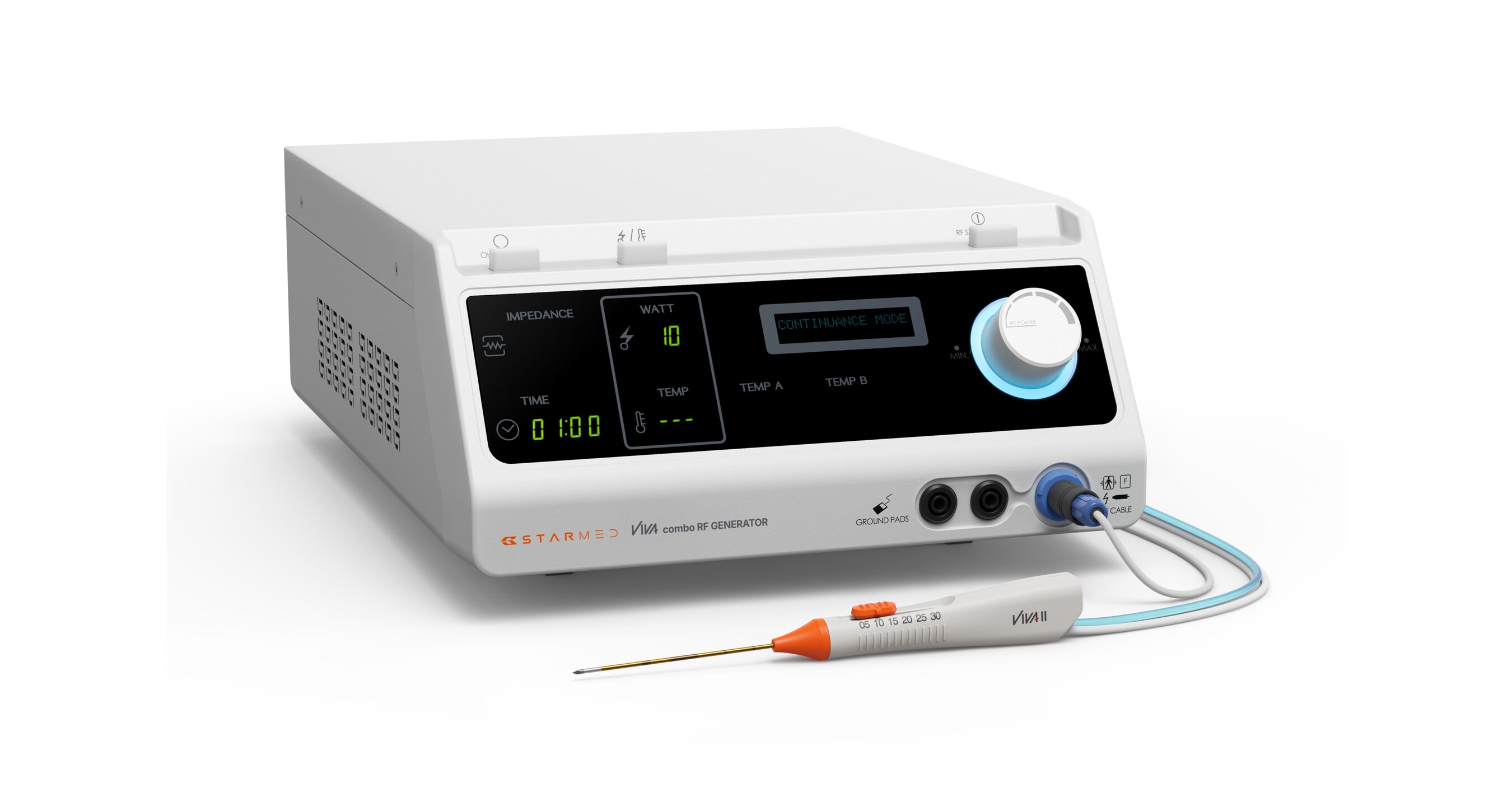
STARMED America received FDA 510(k) clearance (K252833, cleared May 26, 2026) for the first U.S. RFA device indicated specifically for ablation of thyroid nodules, making it the only U.S. company with that indication. The labeling covers ultrasound-guided ablation of cytologically confirmed benign thyroid nodules in adults (including autonomously functioning nodules with volume <10 mL), supported by a review of 42 peer-reviewed studies showing a ≥50% volume reduction ratio at six months. The news should support broader clinical adoption and simplifies institutional value analysis and coding pathways for thyroid RFA.
The economic value here is not the clearance itself; it is the removal of three adoption frictions that typically keep niche devices from scaling: hospital committee skepticism, physician liability concerns, and coding ambiguity. That means the first leg is likely sentiment-driven, but the more important test is whether WWRL can convert clinical credibility into procedure volume within 2-4 quarters. If reimbursement follows the labeling path, the revenue mix could become much higher-margin than legacy capital sales because utilization can recur with each treated patient rather than depend on one-time equipment placements.
The second-order winners are outpatient interventional practices, thyroid-focused ENT groups, and ambulatory centers that can capture cases previously funneled into surgery. The losers are less obvious: endocrine surgeons and hospital OR economics may see incremental case leakage, while established energy-based device vendors will need to defend adjacent soft-tissue ablation budgets if thyroid RFA becomes a standard line item. However, the addressable market is still constrained by diagnosis, symptom severity, and physician training, so broad penetration will likely be slower than the press language implies.
Contrarian view: the market may overestimate near-term monetization because approval does not equal reimbursement, and coding support can lag by several cycles. The key falsifier is any lack of payer coverage expansion or no measurable procedure growth in the next two earnings prints; if adoption is only incremental, the stock should fade after the initial headline reaction. The cleanest catalyst path is 1-3 months of channel checks on institutional adoption and CPT utilization, with the structural story playing out over 6-18 months if training and reimbursement compound.
AI-powered research, real-time alerts, and portfolio analytics for institutional investors.
Request DemoOverall Sentiment
mildly positive
Sentiment Score
0.35
Ticker Sentiment
