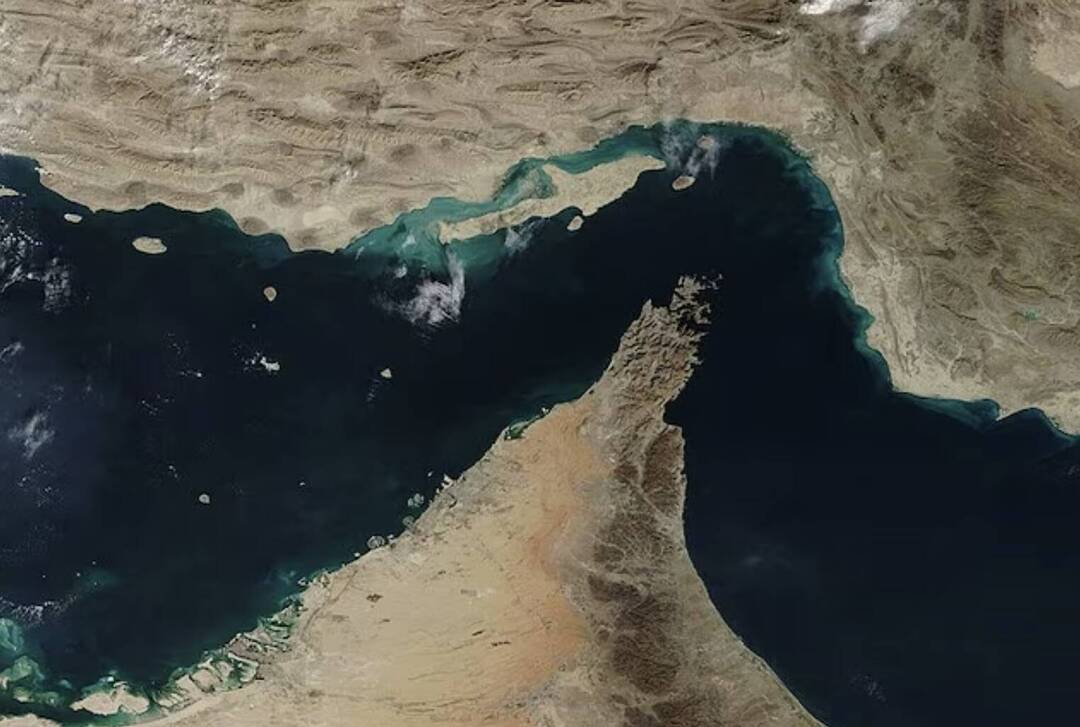
Iran has announced it will permit only Chinese vessels to transit the Strait of Hormuz, framing the move as gratitude for Beijing's public condemnation of recent US and Israeli airstrikes on Iranian territory. Given the strait's role as a critical chokepoint for Persian Gulf oil exports and global shipping, the policy risks disrupting trade flows and heightening geopolitical tensions, with potential upside pressure on energy prices and implications for regional shipping insurance and logistics costs.
Market structure: Iran’s unilateral Chinese-only transit policy risks diverting a material slice of Persian Gulf seaborne traffic (the Strait normally handles ~20–21 mbpd) into either Chinese-chartered tonnage or alternative routes, raising spot freight and war-risk premiums by a likely 20–100% in days. Winners: Chinese state-owned shipping/charter counterparties and Chinese refiners/importers that secure preferential access; losers: Western/third‑party tanker owners, global refiners reliant on steady Middle East crude, and short-duration freight-sensitive names. Cross-asset: expect immediate oil upside (Brent +10–30% shock scenario), USD and JPY strength, EMFX pressure (NOK, AED briefly volatile), and rising sovereign credit spreads for Gulf-adjacent issuers.
Risk assessment: Tail risk includes a partial/total effective closure or interdiction producing >5 mbpd supply shock and a 30–50% oil spike within days; second-order risks are insurance de‑risking, reflagging delays and SWIFT/banking frictions. Time horizons: days—freight/insurance volatility and oil gap; weeks–months—inventory draws and refinery margin re-pricing; 6–24 months—supply-chain reconfiguration and strategic oil stock releases. Catalysts: US/Iran kinetic escalation, China diplomacy, Saudi export rerouting capacity and IEA/SPR releases.
Trade implications: Tactical: buy oil upside (short-dated Brent/WTI call spreads or USO +2–4% NAV) and increase exposure to large integrated producers XOM/CVX (2–3% each, 3–9 month horizon) to capture higher realizations; hedge with GLD (1–2% NAV) and pay‑down VIX calls (1% NAV) for tail protection. Credit/FX: reduce NOK/EM energy-linked FX exposure by 50% vs neutral; consider long ICE Brent 3-month 95/115 call spread sizing to 1% NAV, take profit if Brent >$120, stop if Brent <$80.
Contrarian angles: The market may overprice protracted closure—historical Gulf incidents (2019) produced sharp but short-lived oil spikes as alternate routings, SPR releases and diplomacy restored flows within weeks. Mispricings: small- and mid-cap tanker owners (FRO, TNK) with high spot exposure may be oversold if Chinese tonnage substitutes; consider a cautious relative-value trade (short spot-heavy tanker ETFs vs long XOM) rather than outright directional bets. Monitor Chinese diplomatic statements and daily Strait transit counts for quick signal of de-escalation.
AI-powered research, real-time alerts, and portfolio analytics for institutional investors.
Request TrialOverall Sentiment
moderately negative
Sentiment Score
-0.50
