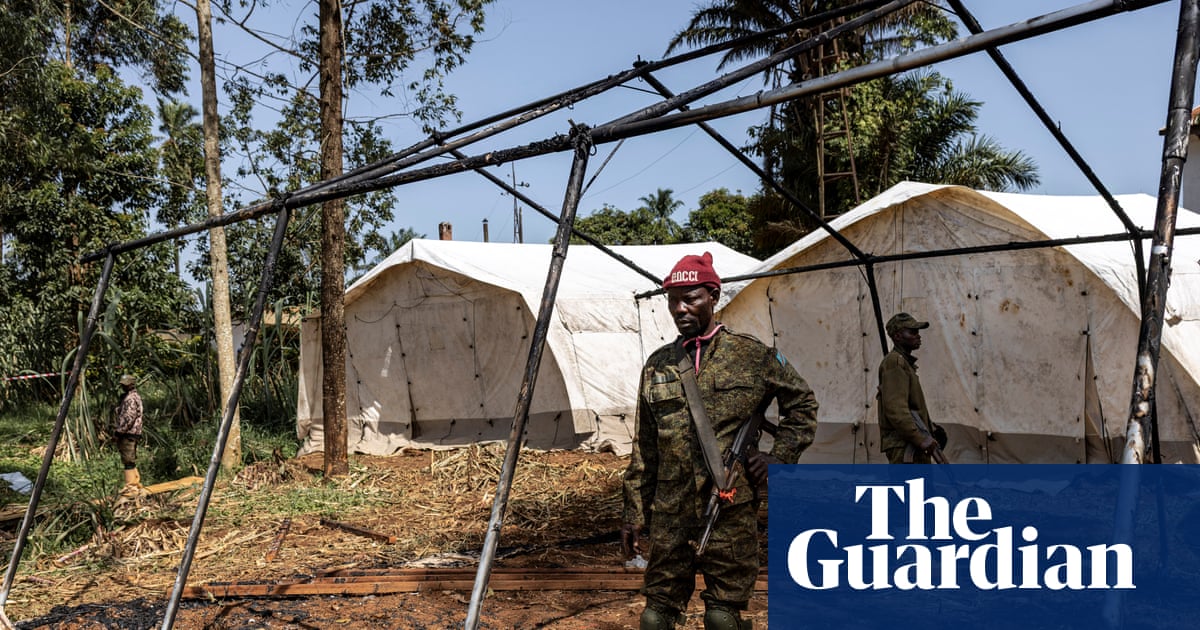
WHO reports 900 suspected Ebola cases and 223 suspected deaths in the DRC, plus 7 confirmed cases and 1 death in Uganda, as conflict in eastern Congo severely disrupts containment efforts. Tedros called for an immediate ceasefire, citing attacks on health facilities, mass displacement, and widening spread into North and South Kivu. The outbreak and insecurity raise regional humanitarian and operational risks, with potential spillovers for public health response and cross-border stability.
The immediate market read is not just “bad news for the region,” but a widening probability distribution around logistics, trade, and aid delivery in eastern DRC and the border corridor into Uganda. The first-order beneficiary is anything tied to disease containment infrastructure and emergency medical logistics, but the second-order effect is more interesting: persistent insecurity raises the probability that containment fails, which extends the duration of humanitarian spending while simultaneously reducing operating efficiency for commercial activity in the affected provinces. That tends to favor firms with local security, airlift, cold-chain, and field medicine capabilities, while punishing smaller NGOs and any agriculture/mining operators dependent on unimpeded road access. The real tail risk is not the current case count; it is a multi-week delay in isolation and contact tracing that allows the outbreak to seed into higher-density urban nodes. If that happens, the market impact shifts from a localized EM event to a broader regional risk-off, with pressure on Uganda-linked border trade, transport, and any consumer exposures with East Africa revenue mix. The chance of a rapid reversal is low unless there is a credible ceasefire or a major improvement in humanitarian access, because conflict dynamics are reinforcing the outbreak rather than merely coincident with it. From a second-order perspective, this is a negative signal for frontier-market risk appetite more broadly: investors tend to extrapolate epidemic-control failures into governance and execution discounts, which can widen sovereign and corporate funding spreads even outside the immediate geography. It also increases the odds of emergency donor reallocations and renewed budget pressure on global health institutions, which could benefit select defense/security contractors only indirectly through stabilization-related procurement, but hurt healthcare delivery contractors with weak on-the-ground access. The more the story becomes about attacks on health facilities, the less about biotech and the more about operational resilience as the scarce asset. Consensus may be underestimating duration. Markets usually fade Ebola headlines after the first few days, but conflict-impaired containment can keep a low-grade crisis alive for months, not weeks, and that matters for local equities, logistics, and EM credit sentiment. The mispricing opportunity is to lean into the names that monetize prolonged emergency response rather than the ones exposed to a clean, fast resolution.
AI-powered research, real-time alerts, and portfolio analytics for institutional investors.
Request DemoOverall Sentiment
strongly negative
Sentiment Score
-0.78
