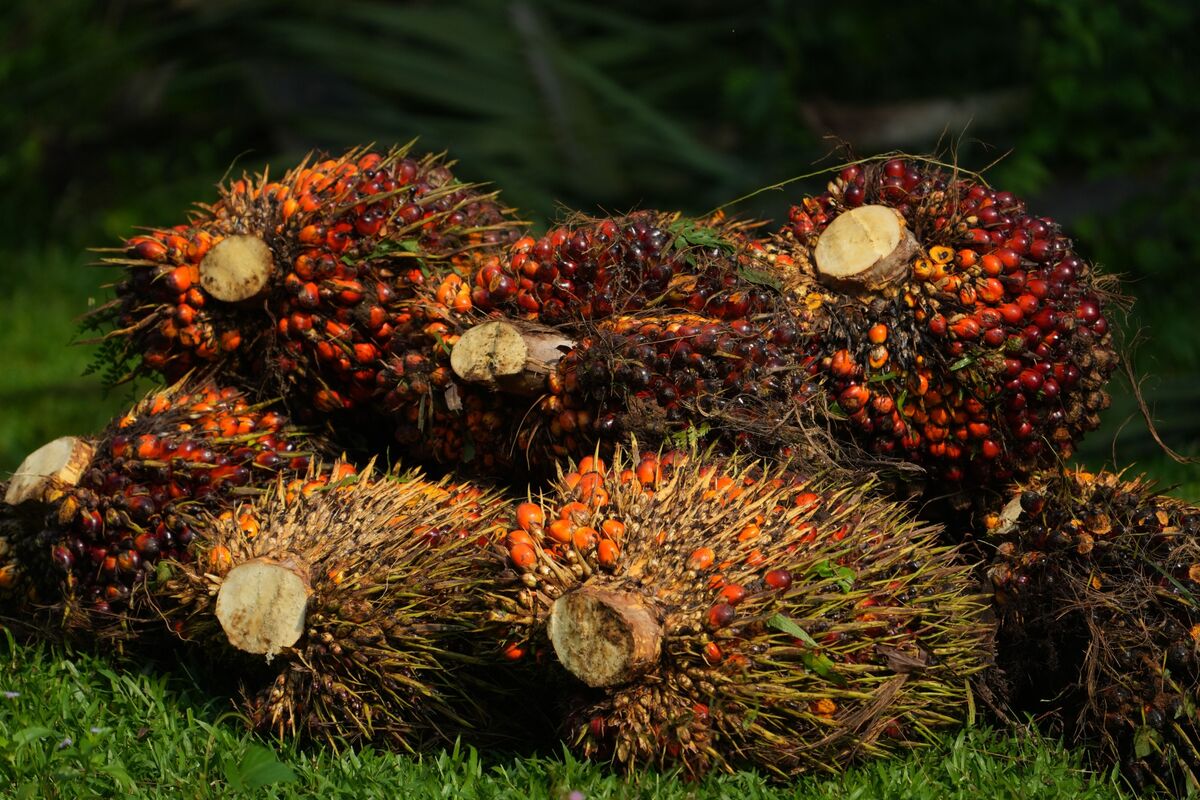
Indonesia's palm oil export revamp is prompting some refiners to stop buying fresh fruit bunches from smallholders, leaving crops to rot and threatening farmer incomes. The disruption risks tightening supply of palm fruit and creating near-term uncertainty across the palm oil value chain as processors wait for clarity on the new export framework.
This is a classic policy-friction shock that starts as an earnings problem for processors and quickly becomes a working-capital and inventory-quality problem across the chain. The first-order loser is the most price-opaque part of the system: smallholder-linked supply, where farmers lack storage and bargaining power, so a short buying freeze can force distressed sales later at lower realized prices. Second-order, larger integrated buyers with captive plantations or stronger balance sheets gain share and pricing power, while independent mills risk a margin squeeze if they lose volume faster than they can pass through higher procurement costs.
The more interesting market implication is supply elasticity: fresh fruit bunches are highly perishable, so even a brief interruption can permanently destroy output, not just defer it. That means the output impact can appear within days, but the pricing effect in downstream palm products is more likely to show up over 4-8 weeks as refiners work through inventories and spot availability tightens. If the policy uncertainty persists into the next planting/harvest cycle, growers may reduce input use and maintenance, creating a lagged supply hit that can last quarters.
Consensus may be underestimating how asymmetric this is for lower-quality supply. Once processors re-select counterparties, smallholders can lose market access even after the rules are clarified, because buyers will prefer traceable, better-financed suppliers to reduce compliance risk. The contrarian risk is that the government backpedals quickly if rural income pressure becomes politically visible; that would make any downstream price spike temporary and punish late longs in edible oils and fertilizer-linked agricultural plays.
In the absence of clean single-name equity exposure, the most actionable trade is via relative value in edible oils and ag inputs: long palm-sensitive commodity proxies on weakness only after a confirmed procurement disruption, while fading any knee-jerk move in downstream food manufacturers that have hedging capacity and inventory cover. The better setup is a tactical long in diversified vegetable-oil exposure versus short domestic Indonesian midstream names that rely on local throughput, because the policy shock is more about execution risk than end-demand destruction.
AI-powered research, real-time alerts, and portfolio analytics for institutional investors.
Request DemoOverall Sentiment
moderately negative
Sentiment Score
-0.45
