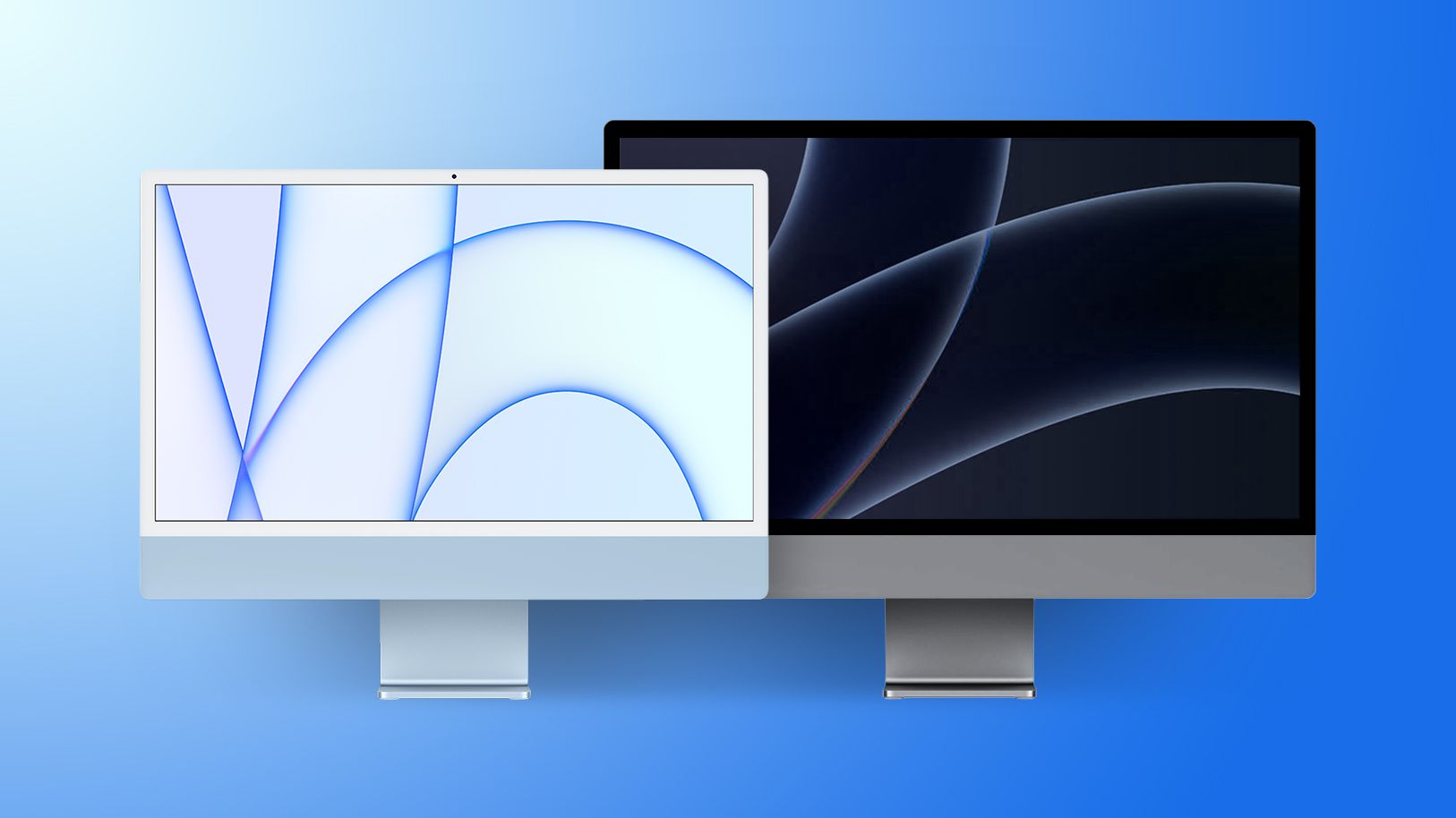
Apple refreshed the 24-inch iMac in October 2024 with the M4 chip and other spec upgrades; the next refresh is expected to adopt an M5 chip (possible higher-end M5 Max variant referenced in internal macOS files) next year potentially boosting storage and SSD performance. Longer-term rumors include a debated 32-inch mini‑LED iMac (previously forecast for 2025) and an OLED 24-inch iMac targeted for 2027–2028; timelines remain speculative and no major product launch in 2025 is confirmed. Investors should note these are product roadmap rumors that could affect sentiment for Apple’s Mac lineup but are unlikely to be immediate, material catalysts absent official announcements.
Market structure: Apple (AAPL) is the clear direct beneficiary if an M5/iMac Pro refresh materializes — higher ASPs and incremental storage/SSD and OLED options can lift mix and supplier revenue (TSMC, display fabs). Losers include legacy PC OEMs and Intel (INTC) where Apple removal of Intel dependence is a symbolic and incremental hit to future design wins; component suppliers with constrained mini‑LED/OLED capacity could command price power in 2025–2028 windows.
Risk assessment: Tail risks include TSMC yield or capacity shortfalls, OLED/min i‑LED yield cascades, a China demand slowdown, or regulatory action (antitrust or export controls) that delay launches; any of these could wipe 5–15% off related supplier revenue in a quarter. Short horizon (days–weeks) risk centers on rumor-driven volatility around WWDC/product events; medium (3–12 months) is supply allocation and inventory swings; long (2027–28) is technology migration to OLED and its capital intensity.
Trade implications: Position size should be tactical and measured — AAPL is a buy-ahead of a likely M5 refresh (H1 2025) but not a binary moonshot: prefer 1–3% equity exposure plus capped-cost option spreads. Play suppliers (TSM) for structural fab demand and consider small short exposure to INTC (0.5–1%) as a hedge against Apple’s continuing silicon divergence. Use event-timed options (6–12 month call spreads) to capture upgrade-driven re-rating while limiting premium decay.
Contrarian angles: Consensus downplays upside because iMac is a small revenue line; that misses outsized margin and supplier revenue effects if Apple releases an M5 Max iMac Pro or a 32" mini‑LED/OLED — a high‑end model could lift ASPs +10–20% for the line and shift orders to select fabs. Conversely, the market may be underestimating cannibalization risk of MacBook Pro and service attach; require concrete order/ship signals before scaling positions.
AI-powered research, real-time alerts, and portfolio analytics for institutional investors.
Request DemoOverall Sentiment
neutral
Sentiment Score
0.10
Ticker Sentiment
