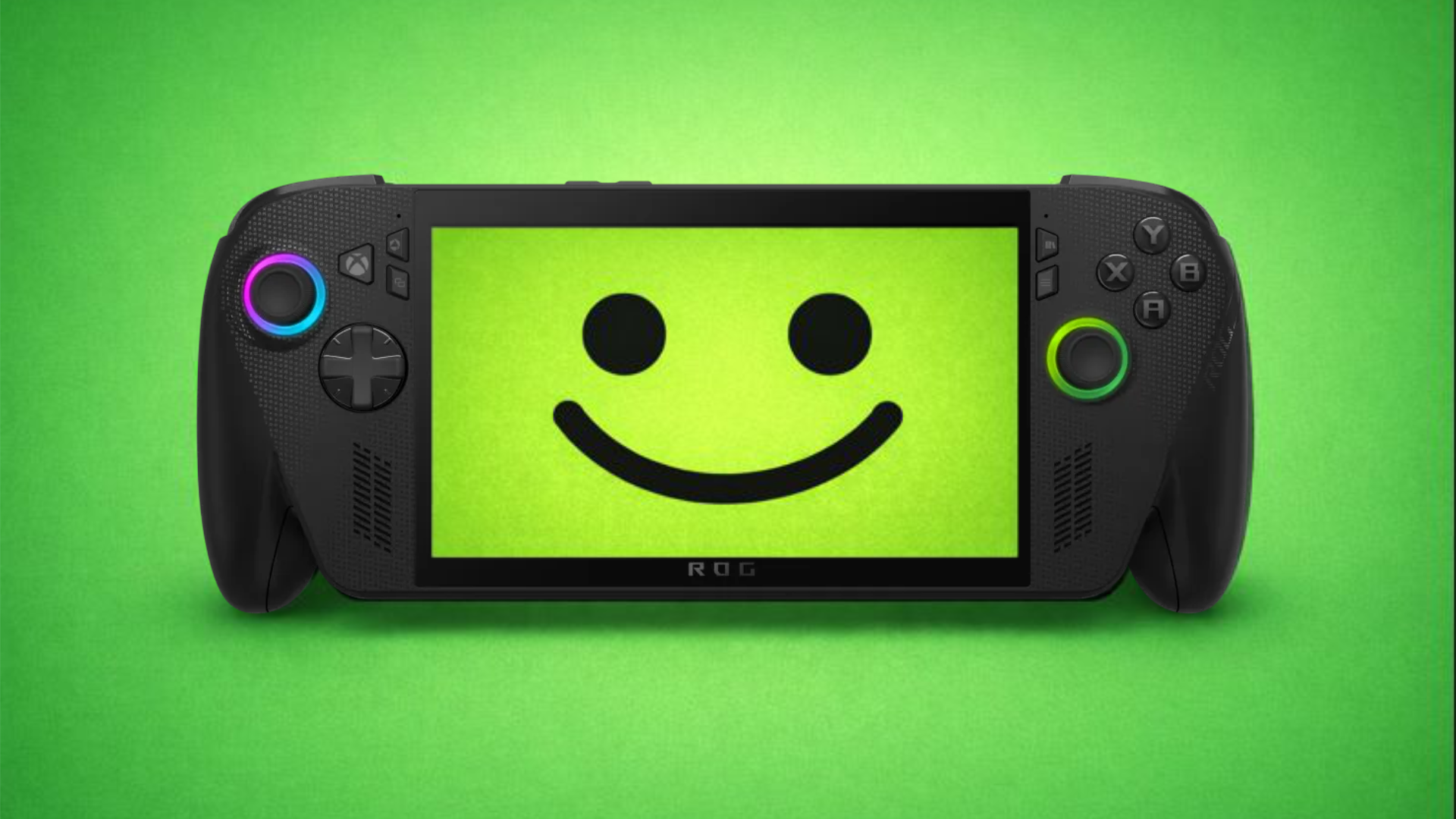
Xbox expanded Default Game Profiles to another two dozen titles on Xbox Ally and Ally X, bringing improved performance and battery life to more handheld games. The feature now covers over 40 titles and includes notable additions like Forza Horizon 6, Fallout 4, Starfield, and Halo: Spartan Assault, though some games remain limited to the Ally X. The update is favorable for device usability but is unlikely to materially move markets.
This is incremental but not monetizable for the publisher in any obvious way: the upside accrues primarily to the device ecosystem, not the media layer. The real economic effect is retention—better battery/performance reduces the odds that a handheld buyer churns back to a laptop, console, or cloud alternative after the first frustrating session. That makes the move strategically important for hardware attach and software time-spent, but it is a product-quality lever, not a direct revenue driver.
The second-order winner is Microsoft’s gaming distribution stack. The feature effectively nudges more playtime through the Xbox app, which strengthens platform lock-in and gives Microsoft another reason to argue for a more integrated Windows-on-handheld experience. For competitors, the pressure is on ASUS to keep differentiation alive in a market where hardware parity is high and software polish is becoming the real moat; standalone handheld rivals without comparable per-title optimization risk looking commoditized over the next 6-12 months.
From a market perspective, this is bullish for the category but too small to justify a standalone multiple expansion. The near-term catalyst is sentiment and review quality around handheld gaming, while the longer-term catalyst is whether these optimizations measurably improve session length, return rates, and accessory sales. The key risk is that performance gains are bounded by narrow game coverage and app-specific constraints, so the impact may remain more marketing than economic unless adoption broadens materially.
The contrarian view is that investors may overestimate how much consumers value marginal battery/performance gains versus price and game library depth. If handheld buyers primarily optimize for entry cost, then software enhancements won't move unit demand much and the benefit will mostly show up as lower return rates rather than higher volumes. In that case, the market should treat this as a quality-of-experience upgrade, not a growth re-acceleration signal.
AI-powered research, real-time alerts, and portfolio analytics for institutional investors.
Request DemoOverall Sentiment
mildly positive
Sentiment Score
0.35
Ticker Sentiment
