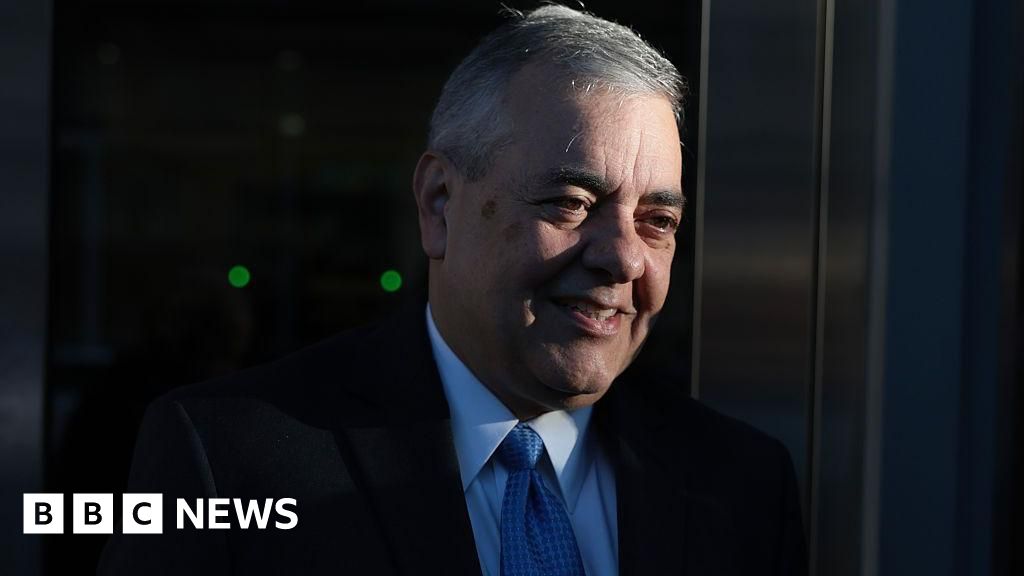
Former Florida Congressman David Rivera was convicted on conspiracy, foreign agent registration, and related charges tied to a $50m lobbying arrangement allegedly benefiting Venezuela's state oil interests. The case highlights alleged covert political influence efforts involving PDVSA/Citgo, Marco Rubio, and Kellyanne Conway amid tense U.S.-Venezuela relations and sanctions. Rivera and associate Esther Nuhfer were both found guilty, and Rivera was ordered detained pending further proceedings.
This verdict is less about one former lawmaker than about the next wave of compliance risk across political consulting, sovereign-linked intermediaries, and sanctions-adjacent advisory work. The second-order impact is reputational and operational: firms with any Venezuela, Cuba, Iran, Russia, or other sanctioned-sovereign exposure will likely tighten pre-clearance, disengagement thresholds, and documentation standards over the next 1-2 quarters, which raises transaction costs for anyone trying to influence policy around sanctioned regimes.
The immediate market impact is small, but the signal to registered lobbyists, PR shops, and boutique consultancies is meaningful. Expect more conservative behavior around contingent-fee engagements, more legal spend, and slower execution on government-relations mandates tied to politically sensitive clients. That is a modest tailwind for large, compliance-heavy incumbents versus smaller firms that rely on opaque cross-border mandates and informal political access.
A more important read-through is to energy and geopolitics: enforcement risk can become a policy tool, and when the U.S. wants leverage over hostile states it will increasingly target the intermediaries rather than just the sovereign entities. That makes any business model dependent on sanctions arbitrage or gray-zone facilitation structurally more fragile. The catalyst horizon is months, not days; reversals would require either a de-escalation in U.S.-Venezuela policy or a broader move toward licensing/amnesty that reduces prosecution appetite.
Contrarian view: the headline may overstate the odds of broader enforcement spillover into mainstream public affairs spending. Most large firms already avoid these situations, so the incremental hit may be concentrated in a narrow cohort of small operators rather than the sector as a whole. The trade is therefore more about avoiding hidden legal overhangs than betting on a sector-wide multiple reset.
AI-powered research, real-time alerts, and portfolio analytics for institutional investors.
Request DemoOverall Sentiment
mildly negative
Sentiment Score
-0.35
