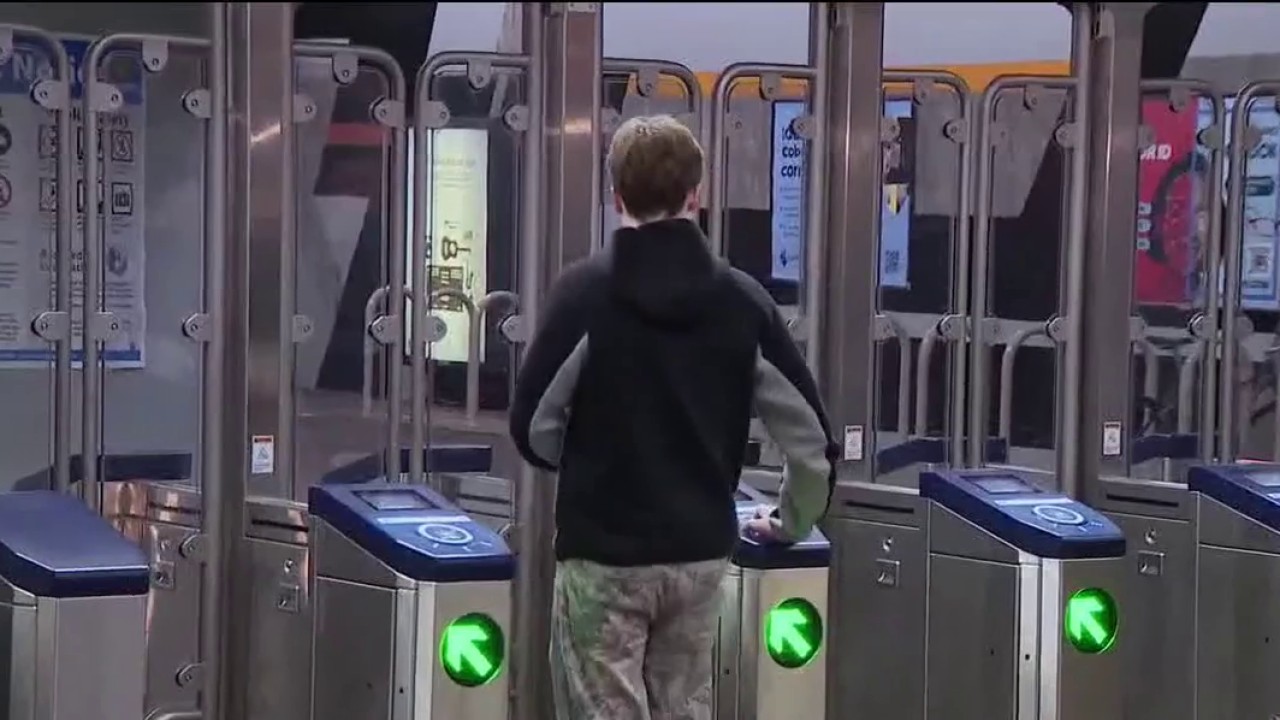
BART unveiled contingency plans to close 10–15 low-ridership stations in January 2027 (naming South San Francisco, San Bruno, Pittsburg Center, North Concord, Orinda, Castro Valley, West Dublin/Pleasanton, Warm Springs, South Hayward and the Oakland Airport connector) and implement major service reductions—end service at 9pm, 30‑minute headways and about 1,200 layoffs—if voters reject a proposed sales-tax increase. The ballot would levy 0.5% in Alameda, Contra Costa, San Mateo and Santa Clara counties and 1% in San Francisco to raise roughly $310 million against a $376 million shortfall; a Phase 2 in July could close five additional stations and eliminate the Blue Line if revenues remain insufficient, with the BART board set to vote on cuts Feb. 26.
Market Structure: Forced service reductions (10–15 stations, 1,200 layoffs) and a $376M shortfall create a structural demand shock concentrated in Bay Area radial corridors. If cuts occur (board vote Feb 26; ballot in November; service risk Jan 2027), expect 5–15% of former BART trips to re-route to ride‑hail, airport shuttle, and personal car trips in affected corridors, boosting short‑haul per‑trip pricing power for UBER and LYFT while increasing road congestion and parking demand.
Risk Assessment: Key tail risks are binary: (A) ballot passes (~<12 months) and cuts don’t happen; (B) ballot fails and cuts enacted Jan 2027 triggering persistent modal shift. Near term (days–weeks) headline risk is limited; medium term (months to 12 months) price discovery will hinge on polling and BART board actions; long term (2027+) structural commuting patterns could permanently reduce downtown office demand and raise muni bond credit stress for transit issuers.
Trade Implications: Direct plays are long ride‑hail exposure (UBER) sized modestly vs hedges in CA muni risk and Bay‑Area office REITs. Use calendar/options to express a directional view while capping downside given ballot binary: prefer 9–12 month call spreads on UBER sized 1.5–3% portfolio risk; reduce direct California muni duration exposure by ~20% of muni allocation and shift to national MUB as a hedge.
Contrarian Angles: Consensus assumes all displaced riders go to rideshare; don’t overlook elasticity—some will carpool or reduce trips, muting upside. If pre‑vote polling shows >55% support for the tax, UBER upside is limited and munis re‑price tighter; trade sizing must be conditional on Feb 26 board vote and November polling thresholds (act: +50% allocation to UBER longs if polling <45%, cut exposure if >55%).
AI-powered research, real-time alerts, and portfolio analytics for institutional investors.
Request DemoOverall Sentiment
moderately negative
Sentiment Score
-0.60
Ticker Sentiment
