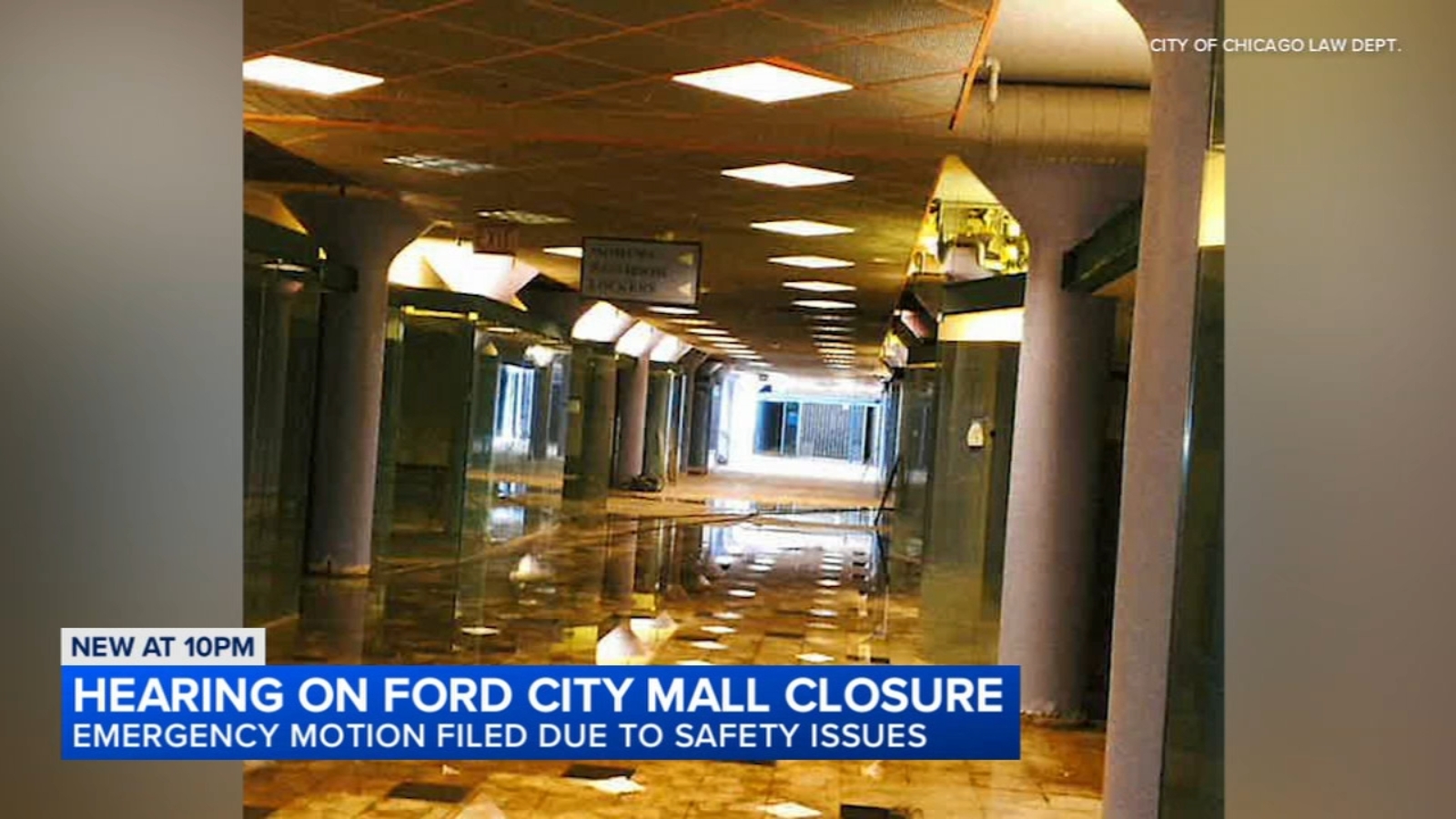
The City of Chicago filed an emergency motion to close Ford City Mall over a defective fire suppression system that has reportedly been leaking and malfunctioning for the past two years. Officials warned the issue could create severe injury or death risk, as well as potential sinkhole and structural failure concerns. A judge has ordered notice to the 16 remaining commercial tenants, with another hearing scheduled for Thursday.
This is not an isolated property headline; it is a balance-sheet stress signal for the lower-quality enclosed mall segment. A forced closure is a near-term hit to tenant sales, rent collection, and occupancy confidence, but the bigger issue is that any unresolved life-safety deficiency can trigger a re-rating of neighboring retail landlords with similar age profiles, deferred maintenance, or weak reserve coverage. Lenders will likely respond faster than equity investors, so the first-order market move may show up in tighter underwriting and fewer refinancings rather than in public comps.
The second-order effect is a potential acceleration of tenant migration toward open-air centers, lifestyle centers, and necessity-based retail. Smaller operators that depend on “last-mile foot traffic” are especially vulnerable because a closure can create an immediate sales cliff that is hard to recover from even after remediation. For municipal and legal counterparties, this can become a precedent-setting enforcement case: once a city demonstrates willingness to seek an emergency shutdown, owners of underinvested properties face a higher probability of compelled capex, shorter cure periods, and lower negotiating leverage with tenants.
The overhang is duration risk. If the issue is contained to repairable infrastructure, the event fades in weeks to months; if it reveals broader subsurface or structural problems, the asset can slip into a multi-quarter value destruction cycle with possible landlord default, special servicer control, or distressed asset sale. The market is likely underpricing how quickly insurance availability and financing terms can deteriorate for similar assets once a public safety narrative takes hold.
The contrarian view is that the closure may ultimately be bullish for the surviving retail cohort: capital and tenants generally reallocate toward better-capitalized centers with stronger maintenance discipline. In that sense, this is less a story about one mall than about a widening moat for higher-quality retail real estate and a funding-cost penalty for the rest.
AI-powered research, real-time alerts, and portfolio analytics for institutional investors.
Request DemoOverall Sentiment
mildly negative
Sentiment Score
-0.40
