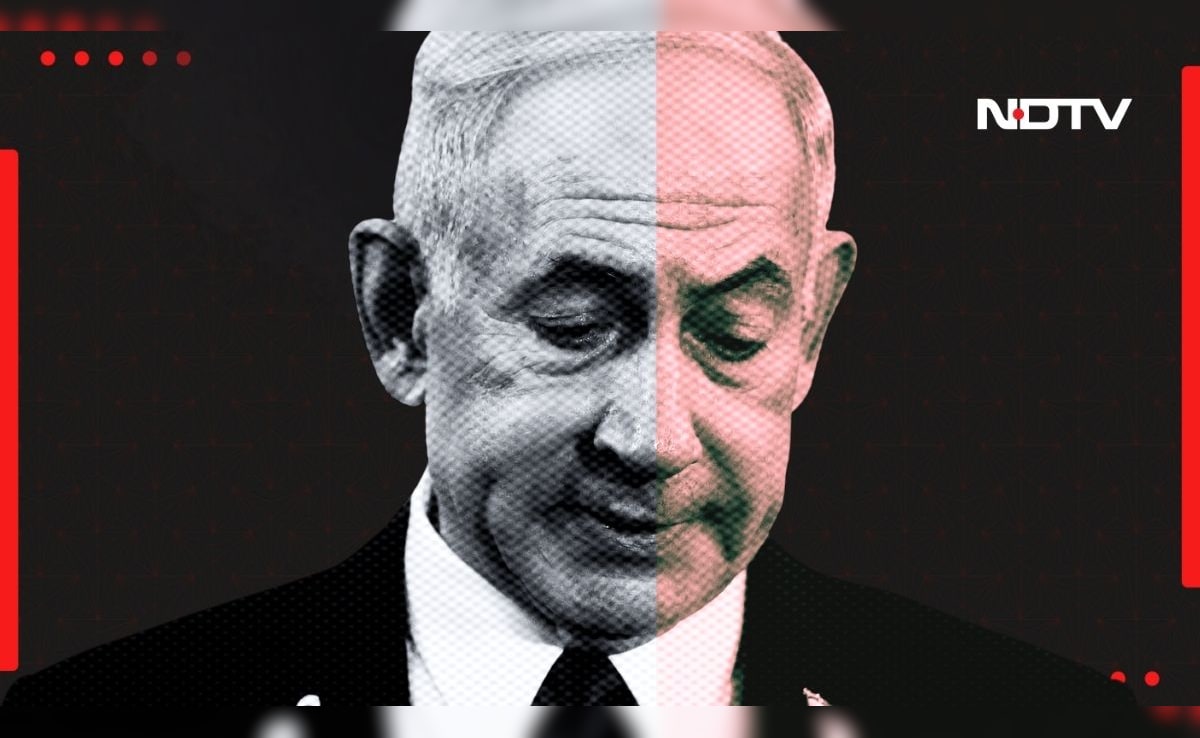
The article describes an escalating Israel-Iran-Hezbollah conflict after failed US-Iran talks in Pakistan, with Israel striking 100 targets in Lebanon in 10 minutes and killing more than 300 people. It highlights renewed risk around the Strait of Hormuz, where Tehran has kept tankers out despite ceasefire terms, raising the threat of disruption to oil flows and broader regional instability. Netanyahu’s domestic political position is weakening as war fatigue, protests, and low poll support intensify.
The market takeaway is not “more Middle East risk” in the abstract; it is a higher probability of intermittent, politically driven disruptions that keep a floor under energy volatility while capping conviction on duration-heavy risk assets. The key second-order effect is that even without a sustained supply shock, a credible threat to Hormuz rerates tanker insurance, crude optionality, and regional risk premia faster than it moves physical barrels. That creates a tradable gap between headline-driven price spikes and slower-moving fundamentals in airlines, chemicals, and EM sovereign spreads.
The bigger underappreciated consequence is diplomatic fatigue in Washington. If the US is seen as unable to restrain Israel while also seeking de-escalation with Iran, allies and counterparties will assume policy incoherence and price in a wider tail distribution for future interventions. That tends to widen risk premia in Gulf sovereign debt, strengthen safe-haven FX, and support defense procurement expectations, but it also raises the odds of a later, sharper reversal if Washington forces a pause to regain control.
For Israel, the market risk is domestic, not just military: prolonged conflict without clear strategic payoff typically compresses political capital and increases the probability of policy change around the next election window. The contrarian read is that the most obvious trade — long oil — may be crowded if the blockade rhetoric is a bargaining chip rather than an operational decision. In that case, the cleaner expression is to own volatility and defense while fading outright beta in sectors most exposed to shipping and airline fuel costs.
AI-powered research, real-time alerts, and portfolio analytics for institutional investors.
Overall Sentiment
strongly negative
Sentiment Score
-0.70
