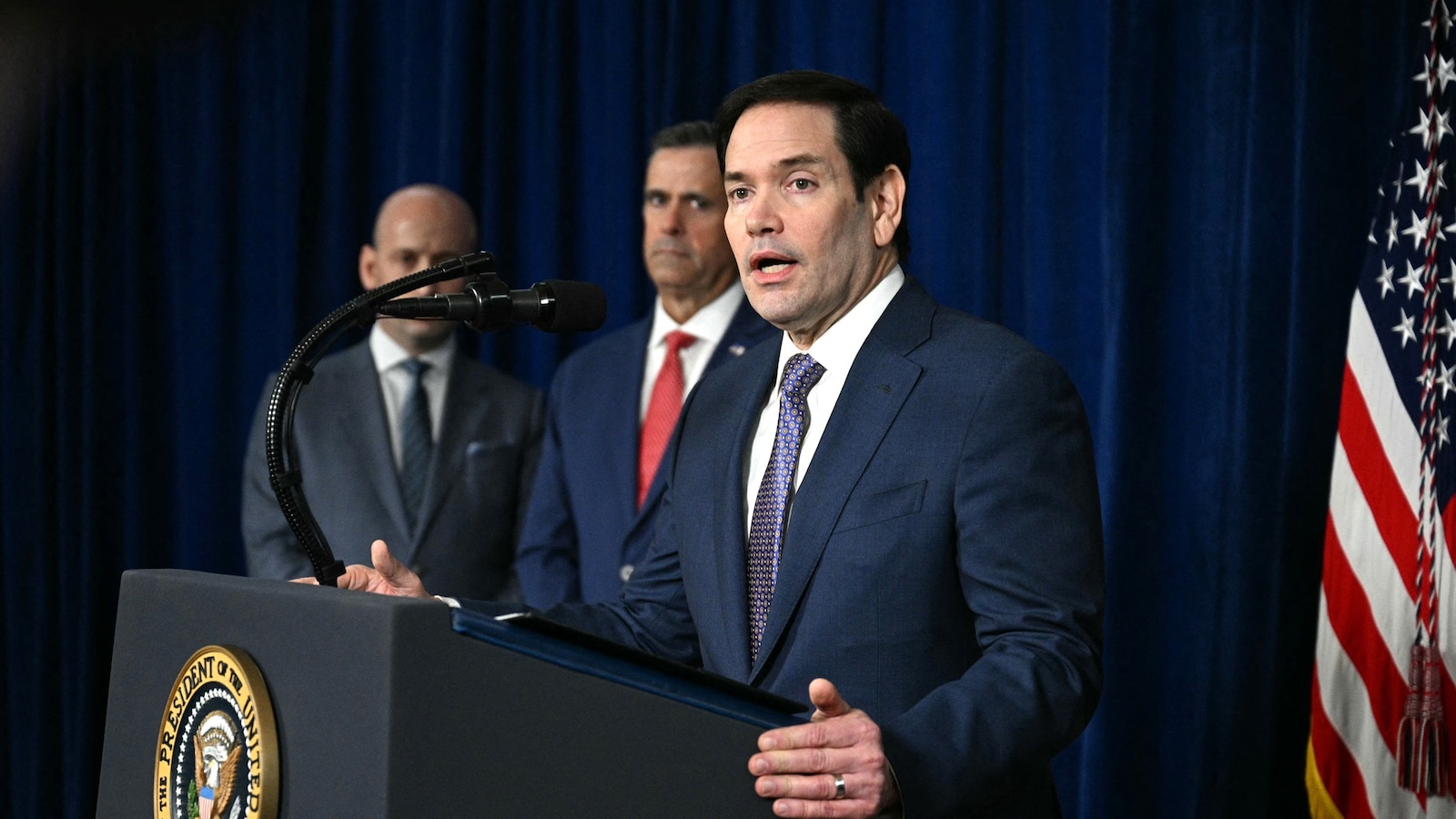
U.S. forces executed a precision operation dubbed Operation Absolute Resolve that captured Venezuelan leader Nicolás Maduro and his wife, with authorities citing a four-count federal indictment alleging a 25-year drug-trafficking conspiracy; the mission involved more than 150 military aircraft from 20 bases. The White House announced a de facto U.S. role in running Venezuela and a “quarantine” of its oil—enforced via court orders to seize sanctioned vessels—while signaling priority on restoring and monetizing oil infrastructure for Western firms, raising questions about potential U.S. military commitments, duration and congressional authorization under War Powers. The immediate market implication is heightened geopolitical risk and oil-market volatility amid supply‑security and sanction‑enforcement uncertainty, with potential medium‑term upside for Gulf Coast refiners and private oil firms if access and investment frameworks are clarified.
Market structure: Immediate winners are heavy‑crude processors and U.S. majors with Gulf‑Coast refining access (Chevron/CVX, Phillips66/PSX, Valero/VLO) as a Venezuelan disruption raises a heavy‑sour price premium; expect WTI/Brent implied vol to jump 10–25% in days and a 5–15% bump in oil prices over weeks if seizures persist. Direct losers: PDVSA assets, sanctioned tanker owners, EM importers and consumer cyclical sectors exposed to higher fuel costs. Competitive dynamic: Western refiners gain pricing power for heavy barrels while hooked-up service/engineering contractors face multi‑year capex cycles to restore Venezuelan output (0.5–1.5 mbpd potential over 1–3 years).
Risk assessment: Tail risks include a protracted insurgency or regional escalation (Colombia/Cuba) pushing oil +30% and triggering Fed tightening; cyber/retaliation from state actors is a medium tail. Time horizons: days (volatility spike), weeks–months (refiner margin expansion; corporate commentary from Chevron within 7–30 days), long term (years to rebuild production). Hidden dependencies: legal outcomes (War Powers vote, court orders) and major oil companies’ willingness to re‑engage; catalyst set is concentrated in the next 7–30 days.
Trade implications: Tactical plays favor selective long energy exposure with defined risk—CVX as core, Gulf Coast refiners as levered plays, and short vulnerable tanker/service names; use 3–6M call spreads to limit downside while capturing volatility. Rotate modest weight from consumer discretionary into energy and inflation hedges; reduce duration on sovereign bonds modestly if oil moves >10% in 30 days.
Contrarian angles: Consensus assumes quick supply restoration and broad industry participation; that is likely underdone operationally—rehab is capital‑intensive and slow, so a two‑step trade (volatility spike then mean‑reversion) is plausible. Consider small, event‑driven longs (CVX) now but pair with options/hedges and a conservative watchlist (Chevron licensing, War Powers vote, Brent +20% trigger) to avoid being caught in a political/operational drawdown.
AI-powered research, real-time alerts, and portfolio analytics for institutional investors.
Request DemoOverall Sentiment
moderately negative
Sentiment Score
-0.50
Ticker Sentiment
