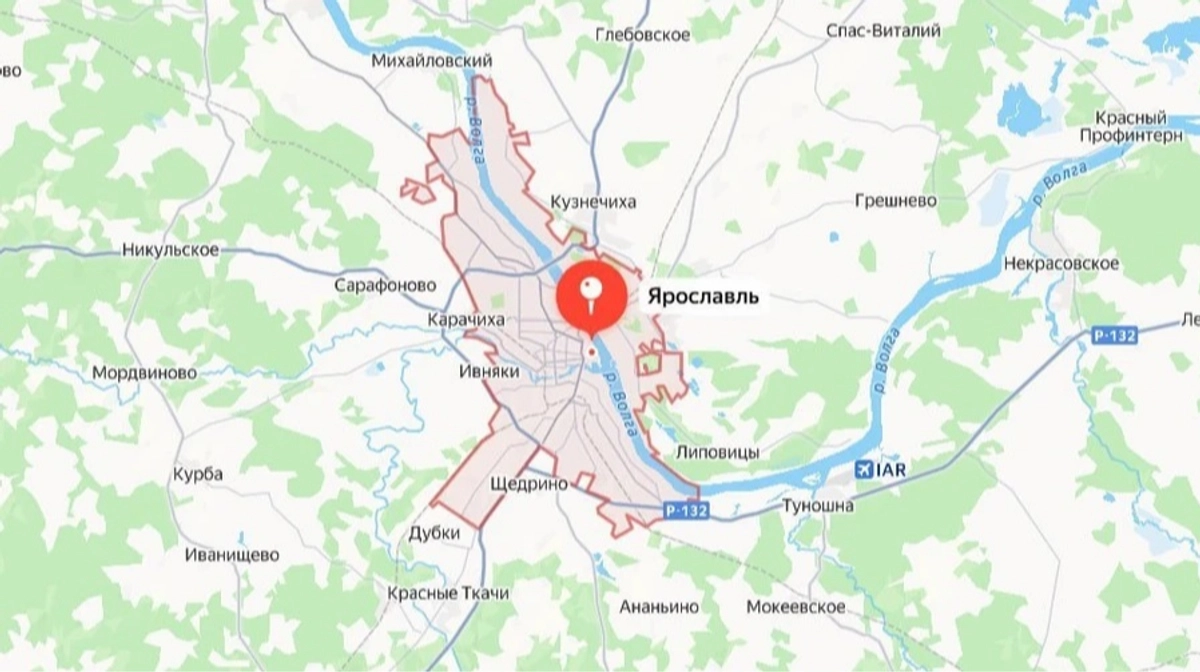
A drone attack on Russia's Yaroslavl Oblast sparked a major fire at an industrial fuel storage facility and temporarily suspended traffic toward Moscow plus airport operations in Yaroslavl. Authorities said most drones were downed, but fuel tanks were hit and emergency services are battling the blaze. The incident is notable because Yaroslavl hosts key oil infrastructure, including the Slavneft-YANOS refinery, which processes about 15 million tonnes annually and has been targeted repeatedly.
The immediate market implication is not the headline fire itself, but the widening probability distribution around Russian product supply reliability. Repeated strikes on a refinery/pump complex force operators to run with more defensive inventory buffers, which raises domestic logistics costs and can tighten regional fuel availability even if national crude exports remain intact. That creates a subtle bullish setup for regional clean-product pricing and crack spreads, especially if repeat attacks force temporary throughput reductions rather than a one-off outage.
The second-order effect is on transport and industrial throughput inside Russia: road closures, airport suspensions, and the need to reroute deliveries reduce near-term efficiency and can pressure local freight economics for days to weeks. If attacks keep hitting adjacent energy infrastructure, insurers and counterparties will demand a higher risk premium, which can slow maintenance cycles and raise unplanned downtime over months. For global markets, the main transmission is not crude supply loss today but a greater tail risk of an eventual product export disruption or forced stock draw that supports diesel and gasoline margins.
Consensus may be underestimating how quickly repeated precision strikes degrade operational resilience even when headline damage appears contained. The most likely near-term reaction is a modest energy risk bid rather than a sustained crude spike, because traders will wait for evidence of throughput loss. The bigger opportunity is in names levered to refining margins and European product tightness, while the main wrong-way risk is a rapid repair response plus no follow-on strikes, which would fade the premium within 1-3 weeks.
AI-powered research, real-time alerts, and portfolio analytics for institutional investors.
Request DemoOverall Sentiment
moderately negative
Sentiment Score
-0.45
