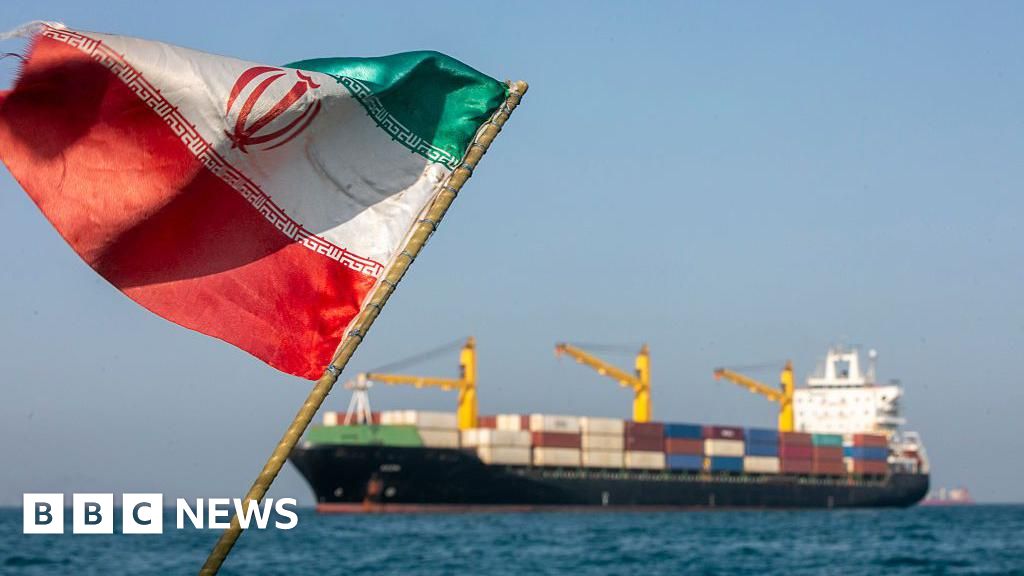
The US carried out new strikes on an Iranian military site in Bandar Abbas and shot down four Iranian attack drones near the Strait of Hormuz, with Centcom saying a fifth drone was about to launch. The escalation comes during a fragile ceasefire and ongoing negotiations, keeping the Strait of Hormuz under pressure and reinforcing upside risk for global energy prices and shipping disruption. Trump signaled the US could resume a larger bombing campaign if Iran does not agree to his terms.
The immediate market read is not just higher headline risk; it is a renewed premium on transit fragility through a chokepoint that already has low tolerance for escalation. Even limited action can have outsized second-order effects: shipping insurance reprices first, then vessel routing, then working-capital pressure for refiners, chemicals, and bulk shippers as inventories extend and turnaround times slip. The key nuance is that energy may gap up on interruption risk even if physical volumes are not yet impaired, while freight-sensitive sectors can de-rate faster than the commodity complex because margins absorb cost inflation before top-line benefits arrive.
The more interesting losers are the businesses exposed to “just-in-time” Gulf and Asia trade lanes rather than pure oil beta. Airfreight, container lines, and industrials with Middle East sourcing face a two-step hit: higher fuel/war-risk surcharges now, and potential schedule unreliability later if counterparties begin preemptive rerouting. Defense primes benefit, but only selectively; the market tends to buy the obvious names too quickly, while cyber, ISR, counter-drone, and naval support vendors often see the more durable budget follow-through over the next 1-3 quarters.
Catalyst risk is binary over days, not months: a single successful retaliatory strike on shipping or Gulf infrastructure would likely force another leg higher in oil, LNG, and defense, whereas credible de-escalation language could unwind the risk premium sharply. The contrarian point is that the move may still be underpriced if traders assume ceasefire language equals containment; repeated “defensive” strikes can normalize a low-grade conflict environment that steadily raises transport and insurance costs without a formal war. That is the regime most damaging for cyclicals: not a one-day spike, but a persistent margin tax that shows up in earnings revisions over the next quarter.
AI-powered research, real-time alerts, and portfolio analytics for institutional investors.
Request TrialOverall Sentiment
strongly negative
Sentiment Score
-0.75
