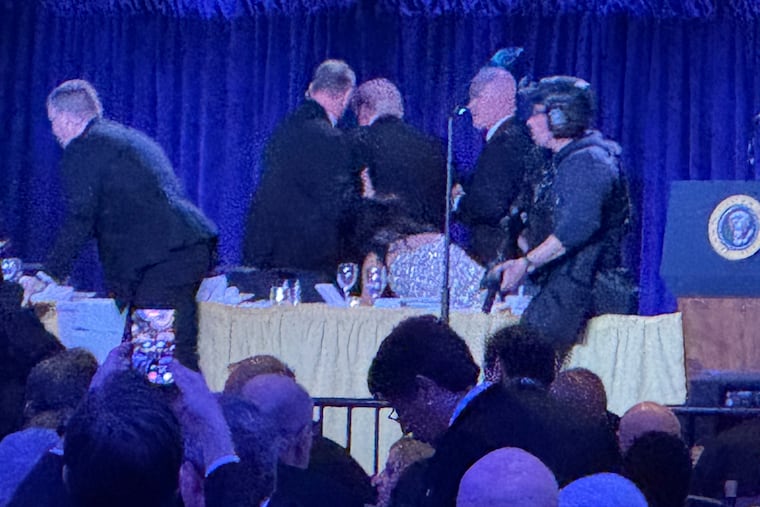
A shooting outside the WHCA dinner interrupted a Trump appearance, underscoring heightened political violence and security risk in the U.S. The article frames the incident as part of a broader normalization of violence, while also criticizing media complicity and Trump’s hardline policies, including expanded federal executions and other displays of state force. Market impact is limited, but the event could add to risk-off sentiment around U.S. politics and security.
The immediate market implication is not direct policy change, but a higher implied volatility regime around domestic politics, security spending, and media/entertainment optics. When a high-visibility political event gets absorbed into the news cycle without a substantive institutional response, it reinforces the market’s view that U.S. political risk is persistent rather than event-driven — which tends to support cash-generative defense and surveillance names, while keeping a lid on valuation multiples for consumer-facing and ad-sensitive media assets tied to the political calendar.
Second-order, the biggest beneficiary is likely the federal security ecosystem: not just classic defense, but perimeter tech, screening, body-worn/remote monitoring, and event-security contractors. A more normalized threat environment raises the probability of incremental budgets over the next 2-6 quarters, especially if agencies are forced to harden venues, transit, and public gatherings. The weak spot is anything exposed to reputational blowback from perceived proximity to partisan power — broadcasters, journalists’ platforms, and elite-event hospitality can face margin pressure from boycotts, higher insurance, and softer sponsorship demand even if top-line impact is initially modest.
ICE is the only ticker here with a clear asymmetry. The event does not materially change immigration enforcement economics, but it strengthens the broader “law, order, and surveillance” narrative that can keep compliance and screening spend elevated; however, the article’s negative framing around state power also means the stock remains vulnerable to headline risk if immigration enforcement becomes a lightning rod. The contrarian point: the market may overestimate the durability of outrage and underprice how quickly institutions commoditize even shocking events, which can make the political premium fade faster than expected unless there is a follow-on legislative or budget catalyst.
AI-powered research, real-time alerts, and portfolio analytics for institutional investors.
Request DemoOverall Sentiment
strongly negative
Sentiment Score
-0.70
Ticker Sentiment
