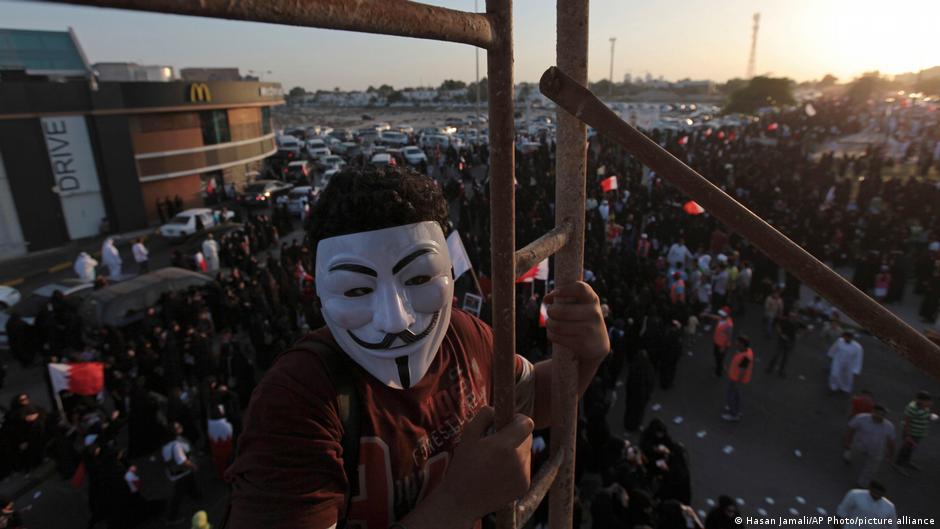
The Iran war is accelerating the use of citizenship revocation as a political weapon across the Gulf, with Bahrain signaling reviews of anyone deemed "disloyal" and Kuwait’s nationality campaign already stripping citizenship from 70,000+ people, potentially as many as 300,000 including dependents. The article also cites new or expanded nationality controls in Oman, UAE scrutiny of Iranians, and warnings of similar moves in Iran and the US/Europe, suggesting a broader tightening of civil and legal rights. The risk is mainly geopolitical and institutional rather than asset-specific, but it could heighten regional instability and regulatory uncertainty.
The key market signal is not the human-rights story itself, but the normalization of emergency-state behavior under geopolitical stress. Once governments start treating citizenship and residency as revocable risk capital, the second-order effect is a higher policy-risk premium across Gulf sovereigns and quasi-sovereigns: more capital controls, less labor mobility, weaker FDI optionality, and a greater discount on domestic political stability assumptions. That tends to compress valuations for local banks, telecoms, and developers with heavy retail/sovereign funding reliance, while supporting external legal, compliance, and security-services spend.
The Iran war is acting as a catalyst for pre-existing controls, which means the near-term effect is probably not one-off headline risk but a ratchet. The timing matters: over days to weeks, you can see volatility spikes in GCC country risk and FX forward markets; over months, tighter internal surveillance and nationality reviews can slow project execution, delay visas, and increase attrition in imported labor-dependent sectors. The bigger issue is contagion: if one Gulf state successfully uses citizenship stripping without meaningful external pushback, neighboring regimes may copy the tool in narrower forms, raising the probability of incremental, not dramatic, repression.
For markets, the underappreciated loser is any asset priced on the assumption of gradual liberalization in the Gulf. The more direct beneficiaries are vendors of digital monitoring, identity verification, and border/security systems, but those names are often too small or illiquid to express cleanly. The cleaner trade is to fade local-duration exposure where governance risk is embedded but not fully priced, especially banks and real estate proxies tied to domestic confidence; the contrarian risk is that investors overestimate the macro impact because most Gulf sovereign balance sheets can absorb a modest increase in repression without immediate credit deterioration.
AI-powered research, real-time alerts, and portfolio analytics for institutional investors.
Request DemoOverall Sentiment
moderately negative
Sentiment Score
-0.35
Ticker Sentiment
