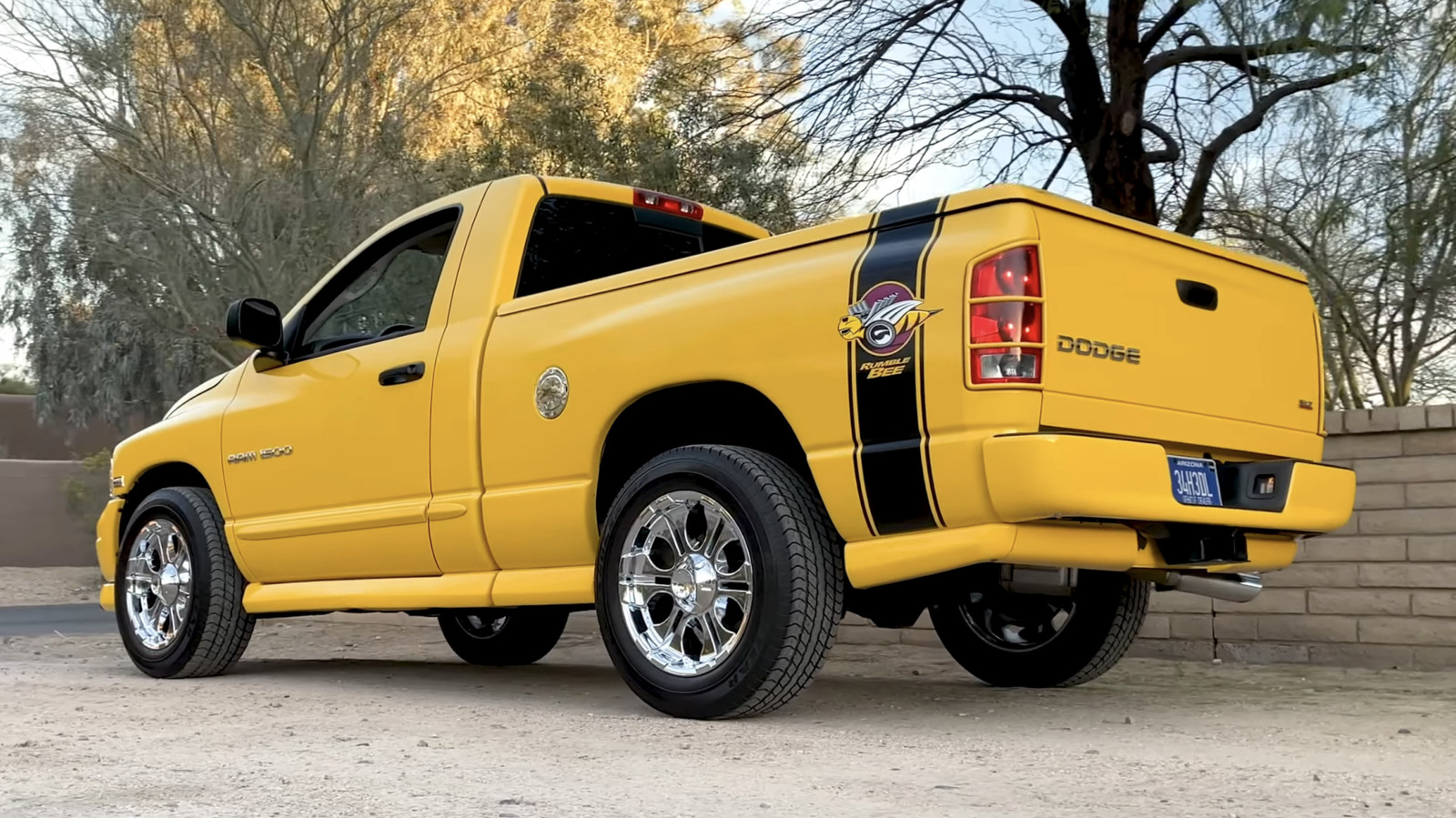
Ram is reviving the Rumble Bee nameplate for a 2027 Ram 1500 Rumble Bee SRT, featuring a 777-horsepower supercharged 6.2-liter V8 and quad-cab configuration. The article frames the new truck as a continuation of Dodge/Ram's legacy muscle-truck formula, while noting the original 2004-2005 Rumble Bee used a 345-horsepower 5.7-liter Hemi and was offered only as a regular-cab short-bed. The piece is largely historical and product-focused, with limited near-term financial market relevance.
This is less a direct earnings catalyst than a useful read-through on Stellantis’ willingness to monetize nostalgia as a low-capex demand lever. The key second-order effect is mix: heritage trims and high-output variants can lift transaction prices and dealer traffic without needing meaningful incremental platform investment, which is attractive in a truck market where conquest economics are usually driven by incentives. For STLA, the risk is that the halo is being asked to do work that underlying product cadence and North American execution should be doing; if the launch lands as a marketing event rather than a volume event, the P&L benefit will be modest but the brand signal can still matter.
For Ford, the article is a reminder that muscle-truck attention keeps the full-size truck segment emotionally sticky and protects premium trim economics. That said, the broader read-through is not bullish for everyone: any sustained success of a high-aspiration special edition raises the bar for feature content and pricing across the segment, which can pressure competitors that rely more heavily on discounting to defend share. The more interesting loser is not Ford per se, but lower-tier suppliers exposed to commodity trim mix, where a shift toward high-margin halo variants can temporarily distort content mix and reduce pull-through on simpler SKUs.
TRX is the cleaner event-driven beneficiary only if the market extrapolates “halo truck” demand into a renewed appetite for ultra-premium off-road performance pickups. The counterpoint is that these products are niche, and the market can overprice their signaling value: historical precedent says these launches matter more for brand heat than unit volume, with benefits realized over quarters rather than days. The main tail risk is execution—if fuel prices, insurance costs, or financing conditions tighten, the customer cohort for 700+ hp trucks can evaporate quickly and leave STLA with marketing spend but little incremental margin.
AI-powered research, real-time alerts, and portfolio analytics for institutional investors.
Request DemoOverall Sentiment
neutral
Sentiment Score
0.10
Ticker Sentiment
