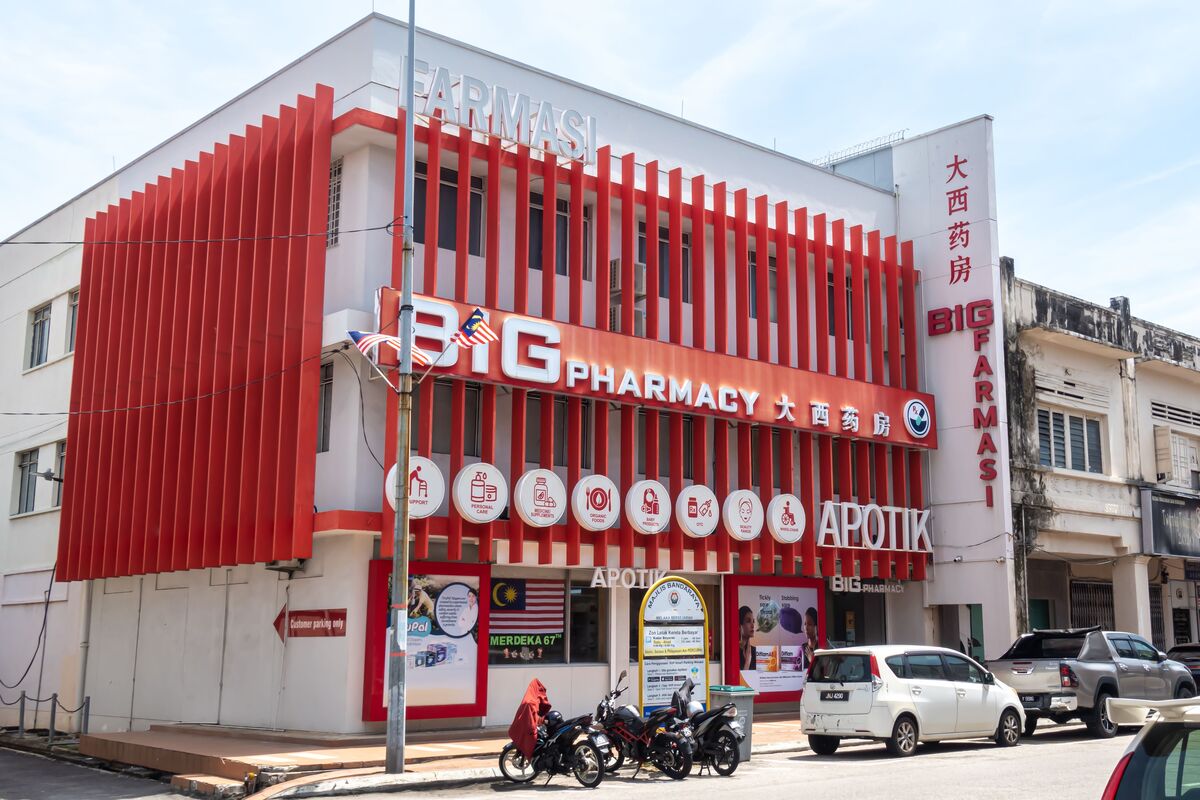
Big Caring Group, Malaysia’s largest pharmacy chain, is reportedly targeting an IPO of up to 3 billion ringgit ($750 million), potentially one of the country’s biggest listings in the past decade. The deal would be backed by private equity firm Creador Sdn. and is aimed for execution by October. The news is supportive for Malaysia’s equity capital markets and indicates continued investor appetite for healthcare-related consumer businesses.
A large IPO in a domestic pharmacy chain is less about one company monetizing growth and more about validating a consumer-healthcare format that sits between essential retail and regulated healthcare. If priced well, it gives incumbents a cheaper acquisition currency and can force a re-rating of private-market portfolios in the sector, especially for other chains with dense store footprints and strong private-label mix. The second-order winner is likely upstream distributors and generic suppliers that get higher shelf velocity and better receivable terms as a listed operator uses public equity to accelerate store expansion and inventory depth.
The main competitive risk is not from pure-play pharmacies so much as from supermarkets, e-commerce marketplaces, and verticalized health platforms that can attack basket share once the category becomes more visible and price-competitive. A well-capitalized listed chain can respond by locking in pharmacy-adjacent categories like wellness, OTC, and beauty, but that also raises the odds of margin dilution as expansion shifts the model from cash-efficient incumbency to growth-at-any-cost. If the deal clears, expect smaller chains to face pressure on lease renewals and supplier rebates over the next 6-12 months.
The contrarian point is that IPO demand may be driven more by scarcity than fundamentals: investors often overpay for “defensive growth” when public market supply is limited, then reassess once post-listing capex and working-capital needs become visible. The key catalyst window is the bookbuild through the first two quarters after listing; a strong debut would likely compress returns for private holders but not necessarily for public shareholders if the company can sustain same-store sales and avoid margin erosion. The tail risk is a slow consumer squeeze or regulatory scrutiny on pharmacy pricing, which would show up with a lag rather than immediately.
From a trade perspective, this is more actionable as a relative-value signal than a direct equity catalyst. The best expression is to be long listed consumer-health or pharmacy-adjacent suppliers where incremental store openings translate into volume without the multiple risk of the IPO itself, while fading any pure-play retail names that look expensive on growth optics alone. In the near term, the risk/reward favors waiting for pricing terms rather than chasing headline sentiment; if the deal comes at a rich valuation, secondary sell-downs and sector compression are the higher-probability follow-through.
AI-powered research, real-time alerts, and portfolio analytics for institutional investors.
Request DemoOverall Sentiment
mildly positive
Sentiment Score
0.25
