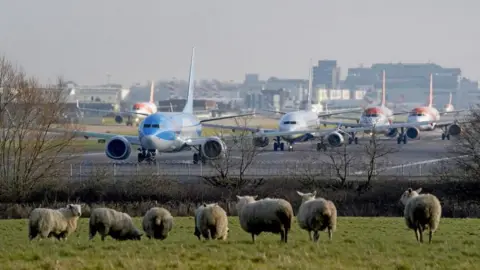
Lithuania has declared a nationwide emergency situation — a step below a state of emergency — after a sustained series of incursions from Belarus involving roughly 600 balloons and nearly 200 drones this year, which Vilnius brands a “hybrid attack”; the government says the devices, used to smuggle cigarettes, have forced Vilnius airport to close for more than 60 hours since October (affecting about 30,000 passengers in October alone) and prompted the interception of 11 balloons and the seizure of nearly 40,000 cigarette packets. The move grants armed forces extra powers, follows closure of two border checkpoints and Belarus’s reciprocal ban that has left hundreds of Lithuanian vehicles stranded, and has led carriers such as Finnair to cancel evening flights to Vilnius through February. Belarusian leader Alexander Lukashenko denies responsibility, but Lithuanian officials and NATO commentators frame the incidents in the context of broader Russian‑aligned “hybrid” tactics, raising geopolitical and aviation‑security risks for the Baltic region and potential disruptions to trade and transport routes.
Lithuania has declared a nationwide emergency situation after sustained incursions from Belarus-linked devices, with officials attributing roughly 600 weather balloons and nearly 200 drones to smuggling and/or provocations this year; Prime Minister Inga Ruginiene labelled the campaign a "hybrid attack" that poses risks to national security and civil aviation. The emergency status grants the armed forces additional powers and is explicitly a step below the 2022 state of emergency, signaling elevated government readiness without full wartime measures.
The operational impact has been material for transport: weather balloons that can reach 10 km forced Vilnius airport to close for more than 60 hours since October, affecting about 30,000 passengers in that month, and authorities say they intercepted 11 balloons and seized almost 40,000 cigarette packets. Carriers have reacted—Finnair cancelled evening flights to Vilnius through the end of February—and recent single-night suspensions affected 1,000 passengers, indicating ongoing near-term revenue and routing risk for airlines servicing the market.
Geopolitically, Belarus denies responsibility while Lithuania has closed two border checkpoints and reported hundreds of Lithuanian vehicles stranded after Belarus barred truck movement, increasing trade disruption risk. NATO commentary about a more "pro-active" stance and the article's sentiment outputs (moderately negative tone, market impact score 0.35) imply a localized risk premium for Baltic transport, logistics and security-related budgets rather than an immediate systemic market shock.
AI-powered research, real-time alerts, and portfolio analytics for institutional investors.
Request DemoOverall Sentiment
moderately negative
Sentiment Score
-0.45
