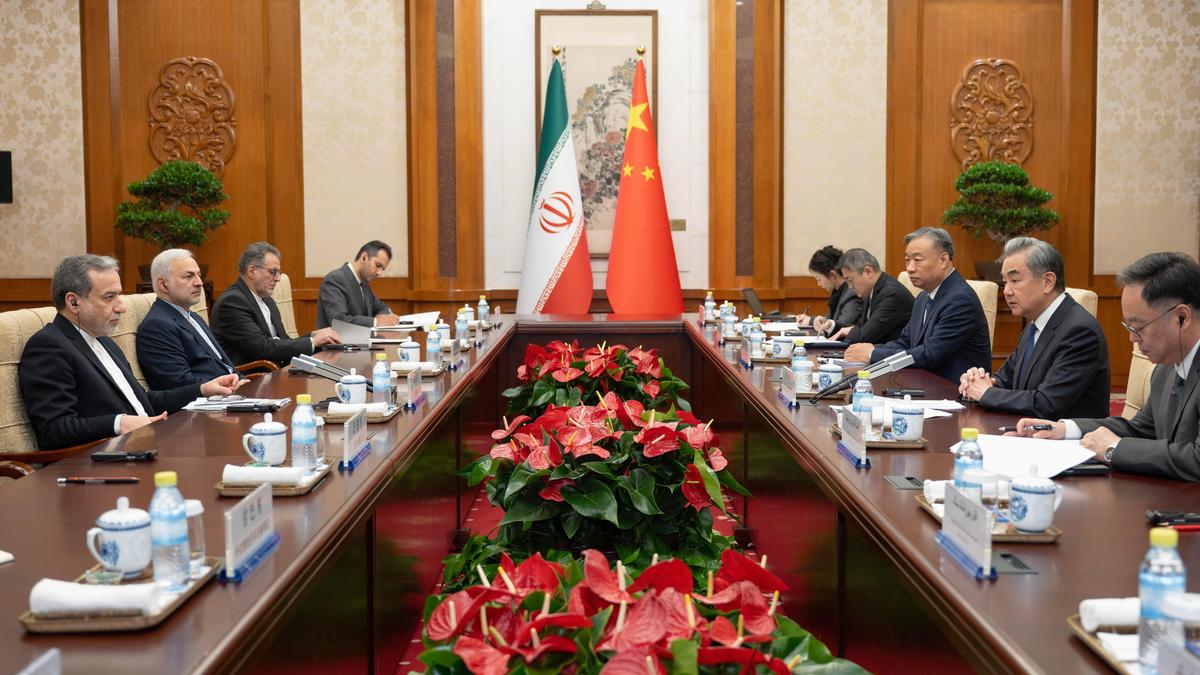
The U.S. has suspended "Project Freedom" to escort ships through the Strait of Hormuz after President Trump said there had been "great progress" in talks with Iran toward a final agreement to end the war. The move follows reported attacks on civilian vessels and the U.S. claim that it sank seven Iranian boats, while Secretary of State Marco Rubio said offensive operations under "Operation Epic Fury" have been completed. The development lowers immediate military escalation risk but leaves the strategic situation around the Strait of Hormuz highly uncertain.
The immediate market read is not “de-escalation,” but a temporary removal of the highest-probability supply shock to global shipping and energy. The first-order losers are tanker rates, marine insurance, and any assets positioned for an extended Hormuz disruption; the second-order beneficiary is every importer whose working capital and freight hedges were starting to reprice for a months-long detour regime. If the pause holds, the unwind can be violent because positioning in energy volatility and freight tends to be fast-money, with the largest move likely in the next 1-5 sessions rather than in spot crude itself.
The deeper issue is that a suspended escort operation does not eliminate the tail risk premium; it just converts a binary military-risk event into a negotiation-risk event. That typically lowers implied volatility faster than it lowers realized shipment risk, which creates a window where option sellers can harvest premium while physical market participants remain hedged. The market is likely underpricing the possibility that any follow-through failure would reintroduce a gap-risk event around specific chokepoints, leading to a sharp re-risking of oil, LNG shipping, and European gas benchmarks within days.
The contrarian angle is that relief trades may be overdone if investors extrapolate “progress” into durable normalization. Even a partial rollback of tensions can still leave insurers and charterers demanding higher risk premia for weeks, so the economic benefit to importers may lag the headline by one to two quarters. The better risk/reward is not outright equity beta, but relative trades that fade fear in transportation while staying long structural beneficiaries of elevated geopolitical optionality.
Watch for any evidence that the ceasefire/negotiation narrative stalls; if talks fracture, the move higher in energy and defense-linked names should be faster than the prior decline because supply chains will have reduced buffer stock and less willingness to wait for clarity. In that scenario, the market will likely repriced the probability of repeated disruptions, not just one-off attacks, which matters more for medium-term freight inflation than a single day’s oil print.
AI-powered research, real-time alerts, and portfolio analytics for institutional investors.
Request DemoOverall Sentiment
neutral
Sentiment Score
0.05
