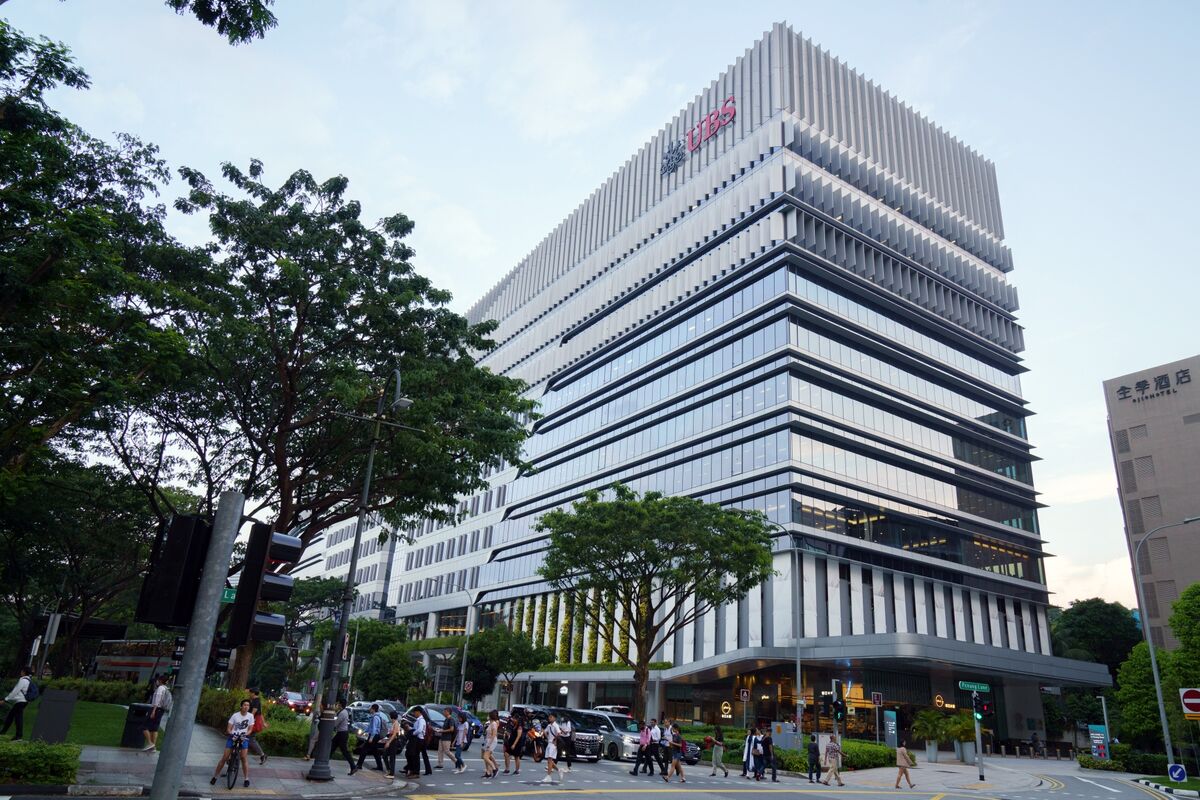
Singapore has penalized nine financial firms, including UBS, Citigroup, and Credit Suisse, a total of S$27.5 million ($21.5 million) for anti-money laundering (AML) rule breaches tied to the city-state's largest money laundering case. Credit Suisse's Singapore branch incurred the highest individual fine of S$5.8 million. This action underscores heightened regulatory enforcement on AML compliance for major financial institutions operating in key global hubs.
The Monetary Authority of Singapore has imposed a total of S$27.5 million ($21.5 million) in penalties across nine financial firms, including the local units of UBS Group AG and Citigroup Inc., for significant anti-money laundering (AML) compliance breaches. These actions are linked to Singapore's largest money laundering case, signaling a material escalation in regulatory enforcement within a key global financial hub. Credit Suisse's Singapore branch faced the most severe penalty at S$5.8 million, a fact reflected in its slightly more negative sentiment score (-0.8) compared to UBS and Citi (-0.7). While the financial impact of the fines is not material to these global institutions, the event carries significant reputational risk and indicates potential systemic weaknesses in their compliance and internal control frameworks. The strong negative sentiment across the board underscores market concern over these regulatory failures and the potential for increased scrutiny and higher compliance costs for banks operating in the region.
AI-powered research, real-time alerts, and portfolio analytics for institutional investors.
Request DemoOverall Sentiment
strongly negative
Sentiment Score
-0.75
Ticker Sentiment
