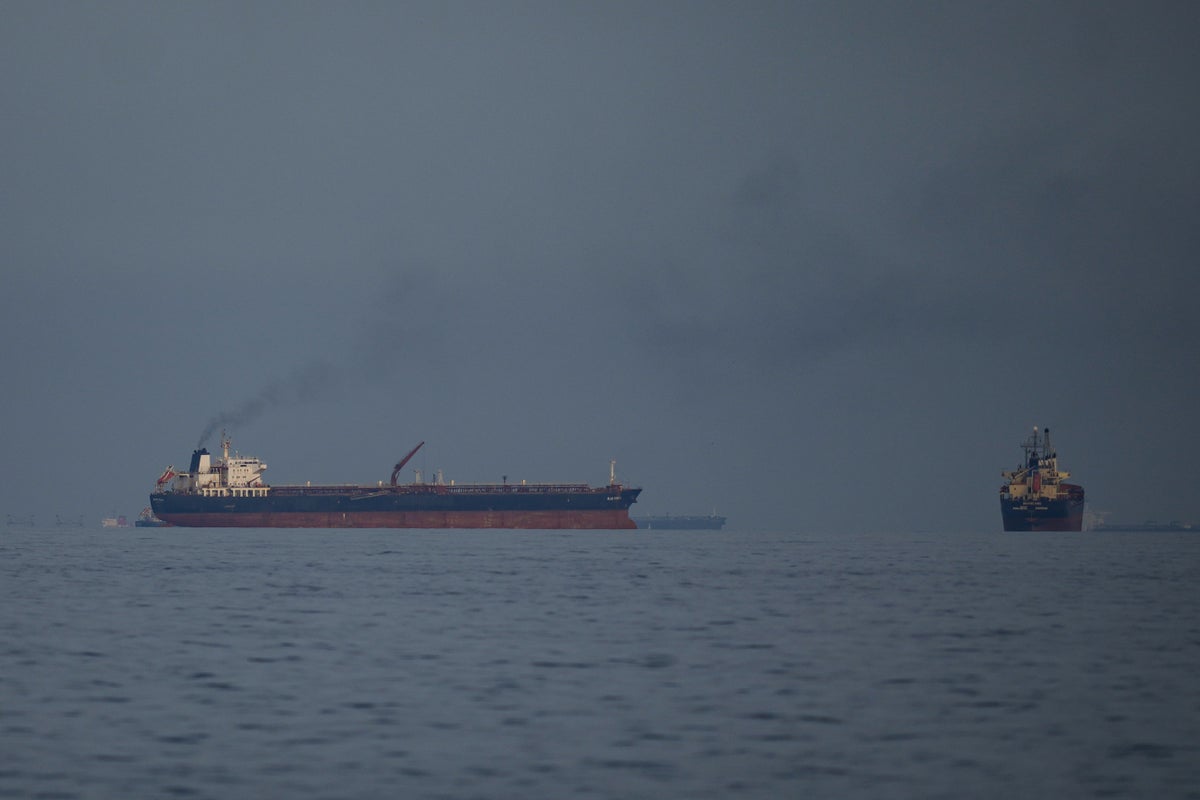
The US says it contacted seven countries to help secure the Strait of Hormuz, but key allies including Japan, Australia, the UK and Germany have publicly refused to send naval ships. The coordinated rebuff raises geopolitical risk to global oil shipments and could sustain upward pressure on energy prices and fuel costs while exposing strains in NATO and limiting multinational military responses. Monitor oil prices, shipping/insurance rates and defense contractors for near-term volatility; consider risk-off positioning until diplomatic de-escalation signals emerge.
Western alliance reluctance to commit naval assets widens a deterrence gap that will be exploited economically before militarily. The immediate market mechanism is through insurance and chartering: “war risk” and P&I premiums spike within days, front-month tanker and tanker-time-charter equivalent (TCE) rates gap higher, and owners reprice shipments; rerouting around the Cape of Good Hope typically adds ~10–14 days per voyage and raises per-voyage fuel and charter costs by low-single-digit to mid-teens percent, squeezing just-in-time supply chains.
Energy price action should be viewed as convex: a short-duration tactical supply shock can move Brent $5–$20/bbl in weeks as inventories draw and shipping frictions bite, but sustained structural change requires months of contracting and asset redeployment (LNG cargos, refinery crude slates). European industrials face immediate margin squeeze via higher input energy costs and transported goods inflation; Asian refiners and state buyers have optionality to absorb short-term volatility by flexing term imports and strategic inventories.
Defense and maritime services are a near-term beneficiary — demand for escort vessels, private security, minesweeping, and insurance capacity expands—but procurement cycles and political approvals make upside lumpy and back-loaded over quarters. Key catalysts to watch that would reverse market moves are a rapid diplomatic de-escalation, a NATO coordinated security mission (low probability near-term), or significant consumer demand destruction that collapses oil prices; absent those, expect volatility, elevated shipping rates, and selective earnings upside for owners of tanker/escort assets over the next 1–6 months.
AI-powered research, real-time alerts, and portfolio analytics for institutional investors.
Request DemoOverall Sentiment
mildly negative
Sentiment Score
-0.15
