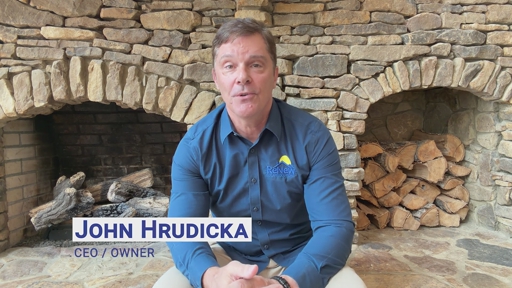
The article (HelloNation; insights from John Hrudicka, ReNew Solar Solutions) argues homeowners should choose solar contractors using five trust factors—understanding, motive, competency, track record, and character—in addition to price. It emphasizes long-term service and support over lowest-cost bids, noting solar systems can serve homes for decades and installations involve permitting and engineering. No financial results, policy changes, or market pricing impacts are reported.
This is a quality-screen story, not a demand or policy catalyst. The market implication is that residential solar is increasingly a trust-and-execution business, which tends to favor brands with financing, service infrastructure, and stronger installation quality while squeezing low-price installers that rely on aggressive lead gen and weak post-sale support. That dynamic can raise customer acquisition costs for the weakest players and compress their close rates over time, but it does not by itself change the industry growth curve.
Near term, there is little reason to expect any price reaction in listed equities; the article is too generic to move fundamentals. Over 1-3 months, the only tradable read-through would be if channel data show improved conversion and lower cancellations for larger operators like RUN versus smaller regional contractors. In that case, the market may re-rate service-heavy names modestly, while pure component suppliers such as SEDG/ENPH remain mostly driven by rates, rebates, and installer inventory digestion.
The contrarian view is that the consensus already knows solar purchases are high-consideration and service-sensitive, so the message is probably not new enough to matter. If anything, emphasizing trust can slow consumer decision-making and prolong sales cycles in a high-rate environment, which is a negative for residential solar volumes rather than a positive for any one name. The thesis would be falsified if industry booking trends improve without a corresponding lift in brand/service differentiation, or if rate relief overwhelms execution quality as the dominant driver.
AI-powered research, real-time alerts, and portfolio analytics for institutional investors.
Overall Sentiment
neutral
Sentiment Score
0.05
Ticker Sentiment
