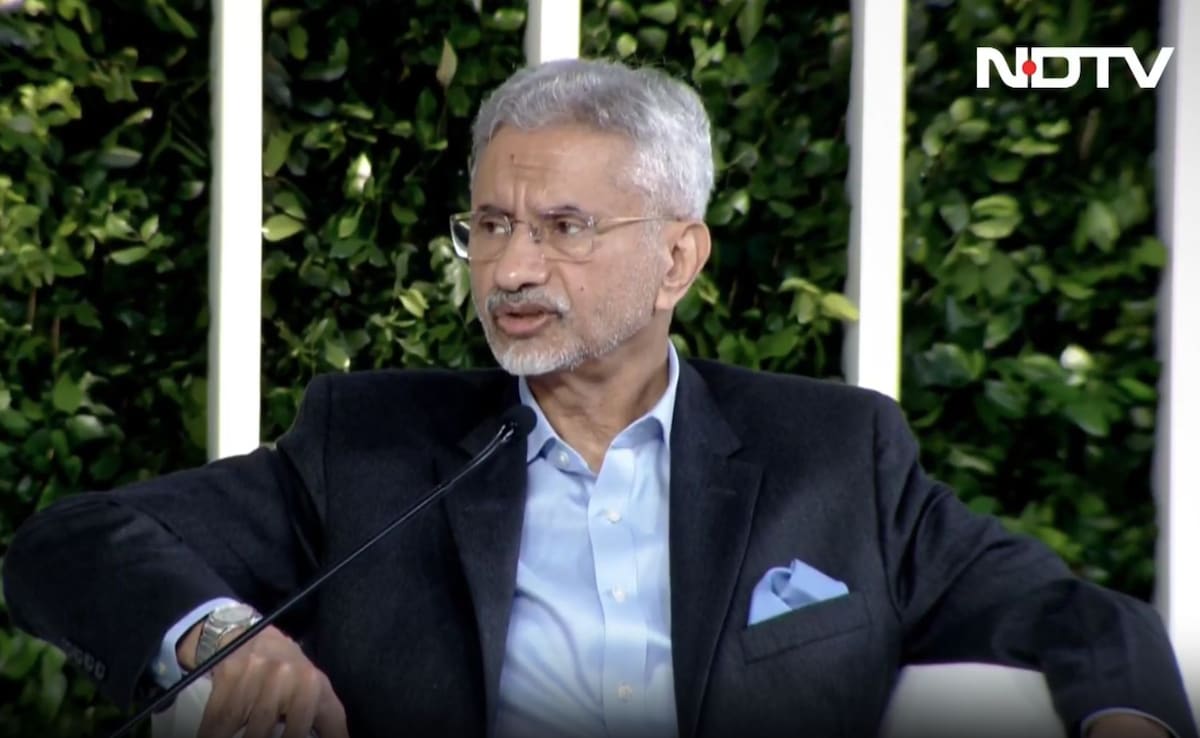
Indian FM S. Jaishankar said a comprehensive India–US trade deal could materialize soon but will be hard‑negotiated, with New Delhi prioritizing protection for workers, farmers and the middle class and resisting opening sensitive sectors such as dairy and poultry. The U.S. is pressing for greater access for agricultural exports (corn, soybeans, wheat, ethanol, fruits and nuts), while India’s ban on GM food crops and political sensitivity around farmer livelihoods make concessions politically and economically constrained, leaving timing uncertain but markets for agricultural exporters and bilateral trade flows exposed to any eventual agreement.
Market structure: A near-term US–India trade deal would primarily benefit US agricultural exporters (corn/soy/ethanol suppliers) and large Indian export-oriented sectors (IT services, pharmaceuticals, select manufacturing) through clearer market access and investment flows. Pricing power shifts will be modest initially — expect 1–3% INR appreciation and 20–50bps tightening in 10y Indian sovereign spreads if a joint statement appears within 1–3 months, but full tariff/market-access effects will take 12–24 months to materialize. Commodity supply/demand: Indian import demand for corn/soy could depress global prices 3–8% if India opens meaningful volumes, boosting US exporters' volumes but pressuring spot prices.
Risk assessment: Tail risks include sudden breakdown of talks (headline shock, currency -3% INR move), or India preserving strict GM/dairy protections (deal becomes services-heavy only), which would limit commodity flows. Immediate horizon (days): headline-driven FX and EM flows; short-term (weeks–months): sector rotation and tradeable moves in ag exporters; long-term (12–24 months): structural capex/FDI reallocation into India if access is broad. Hidden dependencies: domestic Indian politics (farm lobby/dairy cooperatives) and US domestic farm politics can derail technical approvals; regulatory approval for GM imports is a binary catalyst.
Trade implications: Direct plays: overweight India equity exposure via INDA (iShares MSCI India) and large-cap Indian ADRs (INFY) on expectation of FDI/IT deal spillovers; long US ag exporters ADM and BG on potential volume gains. Options: buy 3–9 month call spreads on INDA (limit cost to 1–2% of position) and 6–12 month calls on ADM/BG to capture asymmetric upside while capping premium. Cross-asset: buy INR forward or long INR via ETFs if a joint statement appears; reduce exposure to global soy/corn producers' short-term price volatility via hedged positions.
Contrarian angles: Consensus underestimates political friction — the market may overprice a broad, rapid opening of dairy and GM crop imports. Don't assume a full agricultural opening; trade only on verifiable policy moves (cabinet approvals, phytosanitary clearances). Historical parallel: US–Korea trade talks showed early headlines can move FX and equities by 2–4%, but real sectoral shifts took 12–18 months post-implementing legislation. Unintended consequence: a narrow services-only deal could strengthen IT/financials but leave ag commodity prices unchanged, creating mispriced long-commodity bets.
AI-powered research, real-time alerts, and portfolio analytics for institutional investors.
Request DemoOverall Sentiment
mildly positive
Sentiment Score
0.25
