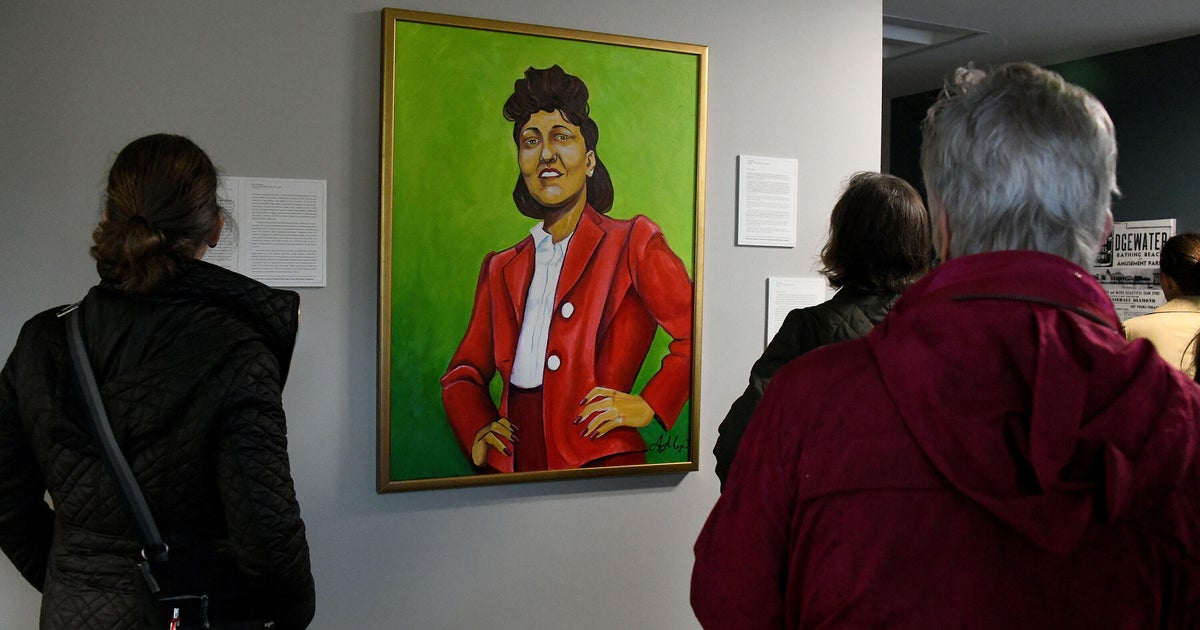
Novartis reached a confidential settlement with the estate of Henrietta Lacks over a 2024 lawsuit alleging the company unjustly profited from the HeLa cell line, which originated from tissue taken without Lacks' consent in 1951. The suit sought Novartis' net profits from commercializing uses of HeLa cells; terms were finalized in federal court in Maryland but not disclosed. The settlement follows a 2023 undisclosed resolution between the estate and Thermo Fisher and comes amid additional active litigation against other biopharma firms, underscoring ongoing legal, IP and reputational risks for companies commercializing foundational human cell lines.
Market structure: Large diversified pharma (NVS) will absorb headline risk but not immediate revenue disruption; research-supply firms (TMO) and accredited biorepositories gain pricing power as customers demand provenance — expect 1–3% re-pricing of service contracts over 12–24 months. Small-to-mid cap drug developers that relied on legacy HeLa-derived assays (RARE, VTRS exposures) are direct losers because litigation and indemnity expenses compress gross margins by an estimated 50–200 bps if settlements or royalty renegotiations occur. Cross-asset: expect +10–30 bps widening in BBB pharma bond spreads on headline settlements, 15–40% rise in implied vol for affected tickers for 30–90 days, and negligible FX/commodity effects.
Risk assessment: Tail risks include a precedent-setting disgorgement or federal restitution law that forces multi-company payouts ($500M+ industry-wide) — low probability (<10%) but high impact (equity market cap impairment 3–8% for large pharma). Immediate (days): headline-driven vol spikes and legal filings; short-term (weeks–months): settlement negotiations and 10-Q disclosures; long-term (years): regulatory/contracting shifts toward consented-sample premiums and IP licensing standards. Hidden dependencies: CRO/academic contracts, indemnity clauses, and patent portfolios that can shift liability; catalyst watchlist: new filings in 30–90 days and any state AG or HHS inquiry.
Trade implications: Direct plays — establish a modest 1.5–2.5% long in TMO within 2 weeks to capitalize on durable instrument demand; open a 0.75–1.25% short in RARE (Ultragenyx) given concentrated litigation risk, with a 12% stop. Pair trade — long TMO (2%) / short RARE (1%) to exploit relative safety; options — buy 3–6 month 25-delta puts on RARE sized to 0.5% portfolio risk and sell 4–6 month covered calls on NVS at ~+10% OTM to collect premium while holding a small core position. Sector rotation: reduce small/mid-cap biotech exposure by 3–5% and rotate into diversified lab suppliers and accredited biobanks over 1–3 months.
Contrarian angles: Consensus understates upside for accredited repositories and overstates existential risk to top-10 pharmas — historical parallels (consent/IP litigation in diagnostics) show big firms pay modest settlements and then pass costs to customers; market likely overreacts if cumulative announced settlements remain < $300–500M. Unintended consequence: ethical-sourcing premium could create new winners (non-public biobanks, TMO-adjacent vendors); set a trigger: if cumulative industry settlements announced exceed $500M within 12 months, flip to defensive bias and widen short sizes.
AI-powered research, real-time alerts, and portfolio analytics for institutional investors.
Request DemoOverall Sentiment
neutral
Sentiment Score
-0.05
Ticker Sentiment
