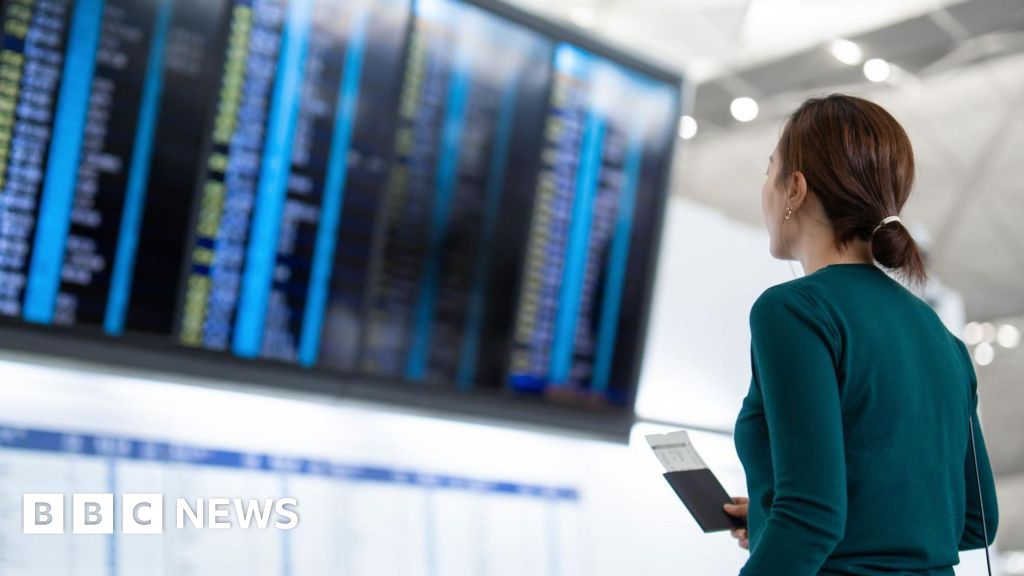
Middle East conflict has pushed the lowest-priced economy airfares up 24% year over year, with some routes seeing even sharper increases, including London-Melbourne up 76% and Hong Kong-London up 72%. Airspace restrictions and higher jet fuel costs, which have risen from about $85-$90 a barrel to $150-$200, are forcing reroutes and reducing long-haul capacity. The news is negative for airlines and travelers and has broader implications for transport costs and inflation.
The first-order effect is not just higher fares; it is a forced reallocation of margin inside the travel stack. Airlines with the most exposure to long-haul Europe-Asia connectivity and the least fuel hedging discipline should see the sharpest earnings downgrades, while less-exposed carriers that can opportunistically add capacity may enjoy a temporary yield windfall. The key second-order risk is that higher ticket prices will start suppressing discretionary demand with a lag of one to two booking cycles, so the current pricing power may prove self-limiting by late summer.
The more durable transmission channel is fuel. If jet fuel stays elevated for even one quarter, it compresses margins across the industry faster than management teams can offset with ancillary fees or network changes. That creates a relative winner set in upstream energy and refiners, but the bigger setup is in non-airline transportation and consumer discretionary businesses that rely on long-haul freight, tourism flows, or inbound travel demand; their margin pressure arrives after the headline fare spike, which is why consensus may still be underestimating the breadth of the earnings revisions.
The contrarian view is that the move in fares may be closer to a temporary capacity shock than a true structural repricing. If ceasefire talks stabilize airspace and reduce rerouting within weeks, some of the fare inflation could unwind quickly because airlines will aggressively cut prices to fill seats, especially on leisure routes. That said, the asymmetry is skewed: even a modest escalation in the conflict would keep fuel elevated and force further schedule inefficiencies, so downside in airline equities is likely more immediate than any upside from normalization.
The most actionable expression is to short the most fuel-sensitive, long-haul exposed carriers versus a broad travel basket, while pairing that with selective long energy exposure. For investors with options access, airline implied volatility should remain bid into geopolitics headlines, making put spreads preferable to outright shorts for event risk control. The trade should be treated as a 4-8 week position unless there is a rapid diplomatic de-escalation.
AI-powered research, real-time alerts, and portfolio analytics for institutional investors.
Request DemoOverall Sentiment
moderately negative
Sentiment Score
-0.45
