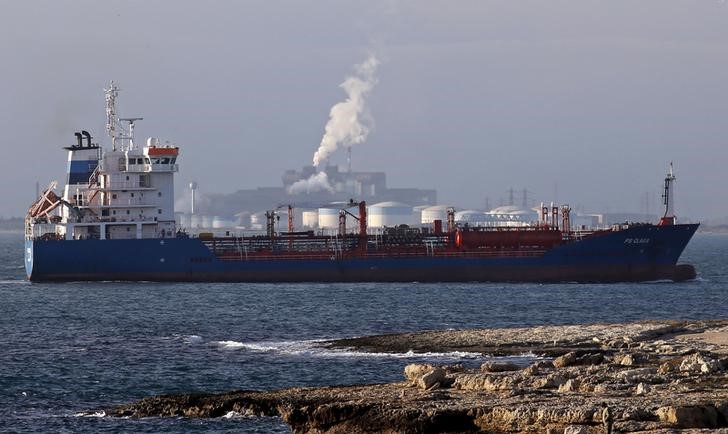
An India-linked LPG tanker carrying 45,000 tons is attempting to transit the Strait of Hormuz, the first observed India-linked exit since a U.S. blockade on Iran-tied shipping. The shipment is important for easing India’s domestic cooking-fuel shortage, with domestic LPG production up 60% to 54,000 tons, but daily consumption still runs around 80,000 tons. The move highlights elevated geopolitical and supply-chain risk in a critical energy corridor, with potential knock-on effects for fuel availability and inflation in India.
This is less an India-specific LPG story than a live stress test for the Strait of Hormuz risk premium. The first-order effect is obvious: any sustained chokepoint disruption tightens Middle East-origin molecules, but the second-order winners are freight, storage, and non-Gulf supply chains that can arbitrage volatility faster than commodity producers can reroute cargoes. In the near term, the market should treat every successful transit as a data point that compresses implied supply-disruption odds, while every failed attempt resets the clock on importers’ hedging costs and working-capital needs.
The bigger macro issue is inflation transmission. LPG shortages are usually a “quiet” input shock, but in emerging markets they feed directly into household fuel substitution, cooking costs, and politically sensitive price controls; that means the policy response can be more distortive than the supply shock itself. If India is forced into more spot purchases or longer voyage routes, the incremental cost will show up first in importer balance sheets and only later in consumer inflation prints, creating a lag where equity markets can underreact to the earnings hit.
From a positioning lens, this is a negative for Asian industrials with high energy pass-through friction and a relative positive for Western energy/logistics names with optionality to tighter tanker utilization. The key contradiction is that a successful one-off transit may actually reduce immediate panic while leaving the structural tail risk unchanged; the market often prices the headline, not the fragility. That makes the setup asymmetric: calm headlines can fade quickly, but any new disruption can reprice shipping, oil, and regional inflation in days rather than months.
AI-powered research, real-time alerts, and portfolio analytics for institutional investors.
Request DemoOverall Sentiment
mildly negative
Sentiment Score
-0.35
Ticker Sentiment
