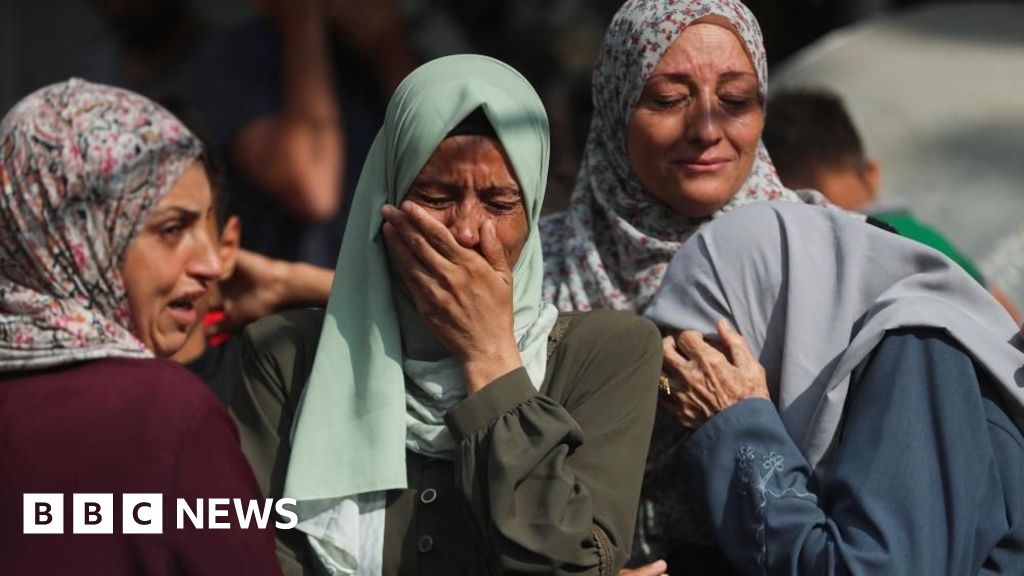
The Hamas-run health ministry reports over 60,000 deaths in Gaza since October 2023, including a high proportion of women and children, amidst escalating conflict and a worsening humanitarian crisis. This comes as Hamas halts indirect talks with Israel, citing starvation in Gaza, following previous negotiation breakdowns and significant unresolved issues regarding troop withdrawals and aid distribution. While Israel disputes the death toll figures and emphasizes targeting terror infrastructure, the UN and international bodies warn of an unfolding famine, underscoring persistent geopolitical risk and humanitarian concerns in the region.
The ongoing conflict in Gaza presents a deteriorating geopolitical and humanitarian landscape, marked by a significant reported increase in casualties and a breakdown in diplomatic negotiations. The Hamas-run health ministry's report of over 60,000 fatalities, a figure that includes a high proportion of women and children, underscores the severity of the situation, even as Israel's military disputes the numbers and states its focus is on eliminating terror targets. Crucially, indirect ceasefire talks have been halted by Hamas, citing starvation conditions, following a prior withdrawal by Israel and the US. This diplomatic impasse, centered on unresolved issues like troop withdrawal and aid, signals a prolonged conflict. The dire warnings from UN-backed experts of a famine that is "currently playing out" contrast sharply with Israel's assertion that it is not restricting aid, a claim contested by its own allies and international agencies. This environment is characterized by high information risk, with conflicting narratives and restricted independent verification, elevating the potential for sudden escalations and heightened regional instability.
AI-powered research, real-time alerts, and portfolio analytics for institutional investors.
Request DemoOverall Sentiment
strongly negative
Sentiment Score
-0.80
