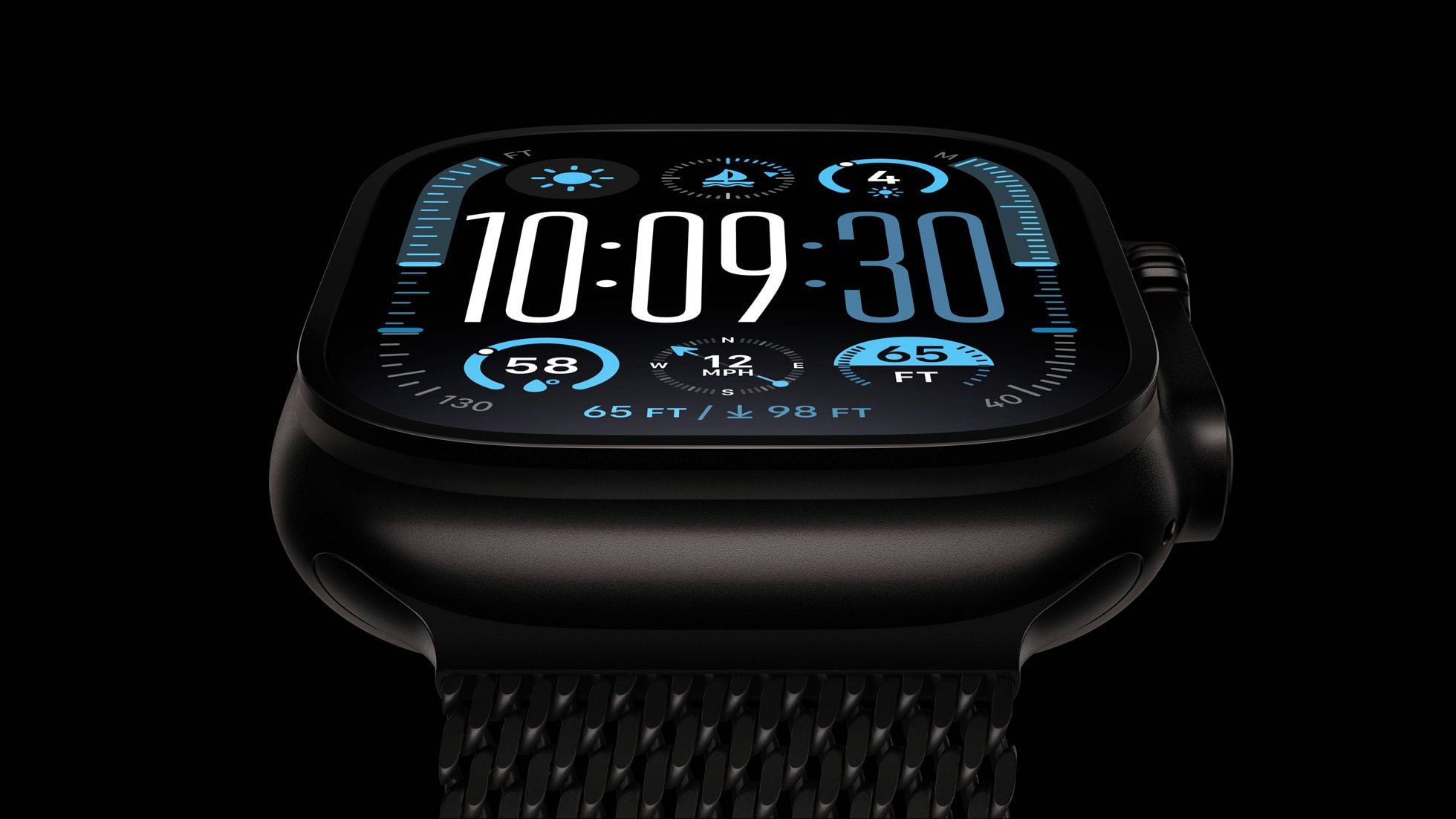
Apple is expected to unveil watchOS 27 at WWDC 2026 on June 8, with a developer beta likely immediately after the keynote, a public beta in July, and a full release in September. Rumored additions include improved heart rate tracking, a new Modular Ultra watch face variant, additional Apple Intelligence features, and possible satellite-enabled functionality such as Apple Maps and Photos support for Messages. The update is also described as being focused on stability, performance, and smaller refinements rather than major new capabilities.
This looks less like a headline product-cycle catalyst and more like a monetization and ecosystem-retention story. The incremental watchOS features matter because they deepen the value of the Apple Watch as a paired-device subscription funnel: better health telemetry, more AI utilities, and satellite extensions all increase the cost of leaving the iPhone/Watch stack, which supports higher attach rates for premium hardware and services over the next 2-4 quarters.
The more interesting second-order effect is competitive pressure on wearables and adjacent health platforms. Improved heart-rate tracking and AI-assisted features raise the bar for Samsung, Google/Fitbit, Garmin, and smaller wellness apps that rely on differentiated sensor utility; the issue is not just feature parity, but whether they can match Apple’s software cadence and integrated distribution. If Apple successfully normalizes satellite utility beyond emergency use, that also improves the perceived value of Ultra-tier devices and could pull demand mix toward higher ASP models.
On the supply-chain side, the update is more constructive for component suppliers tied to sensors, low-power connectivity, and package integration than for pure feature-layer software vendors. The biggest risk is that this is mostly a refinement release, so near-term beta chatter may not translate into meaningful unit acceleration; in that case, any pre-event optimism could fade quickly after WWDC. The real catalyst window is 1-2 quarters post-launch, when Apple can quantify engagement, upgrade mix, and whether these features reduce churn or increase premium model attach.
The contrarian view is that the market may be overestimating the earnings impact of AI-on-wearables in the near term. Because many of these capabilities still depend on the paired iPhone, the economic moat comes from ecosystem lock-in rather than a standalone Watch leap, which means the first-order upside is likely modest while the strategic benefit compounds over time. That asymmetry argues for owning Apple on dips, but being cautious about chasing a short-dated event premium ahead of WWDC if expectations get ahead of what is likely a stability-led release.
AI-powered research, real-time alerts, and portfolio analytics for institutional investors.
Request DemoOverall Sentiment
neutral
Sentiment Score
0.10
Ticker Sentiment
