


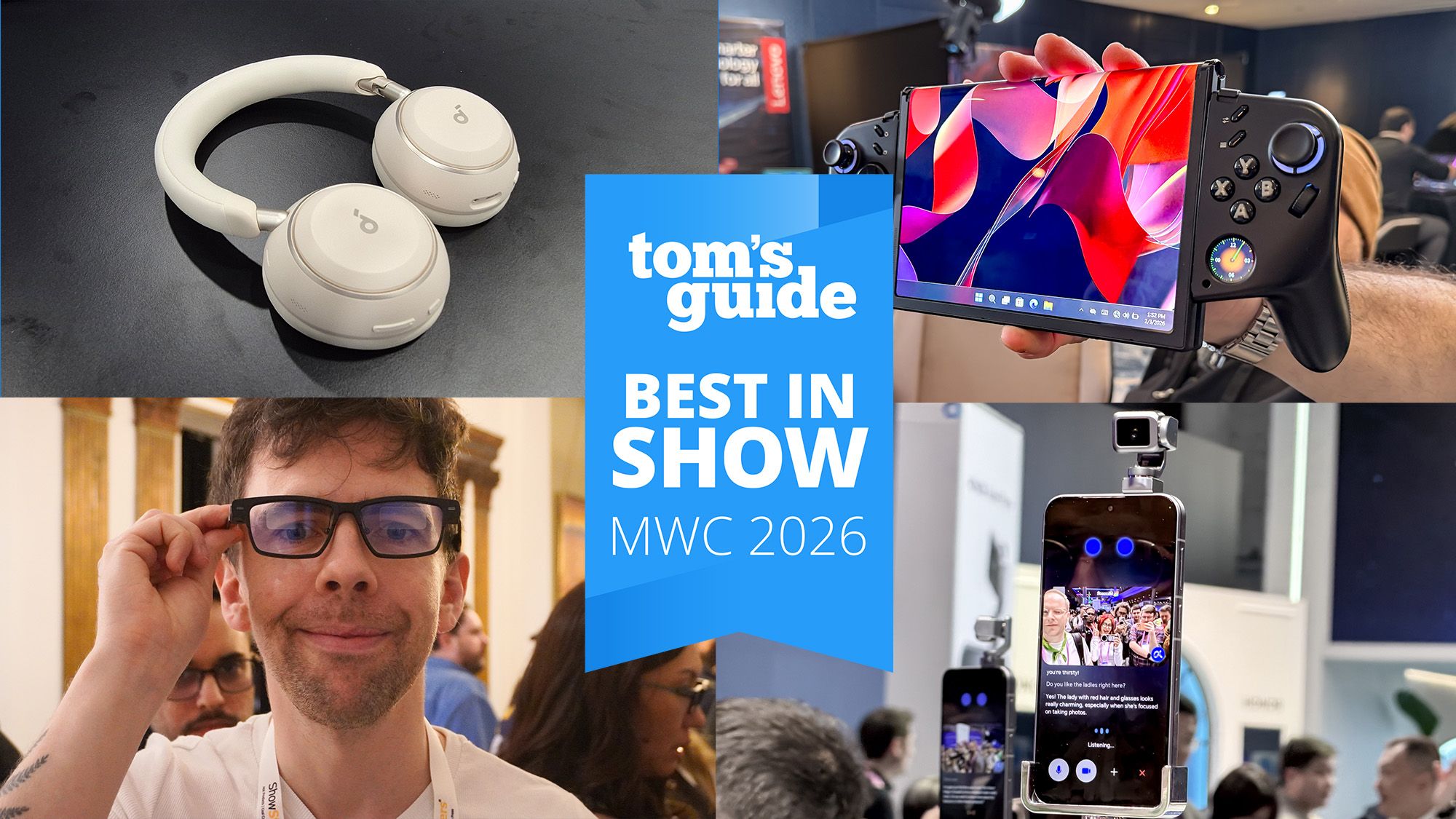
MWC 2026 highlighted device-level AI and distinctive hardware innovations that could shape near-term product cycles: Samsung's Galaxy S26 Ultra debuts a built-in Privacy Display and upgraded cameras, Honor showcased the ultra-thin MagicPad 4 (4.8mm, 12.3" OLED 165Hz, 10,100mAh, Snapdragon 8 Gen 5, up to 512GB) and a gimbal-equipped Robot Phone concept with a 200MP camera, while TCL plans Nxtpaper 70 Pro (6.9", 120Hz, Dimensity 7300, 5200mAh) for April 2026. Other noteworthy introductions include Lenovo’s Legion Go Fold gaming concept, Soundcore Space 2 headphones (up to 70 hours), Eufy Omni C28 vacuum (up to 75 days hands-free), Cambridge Consultants’ humanoid using dual Nvidia Jetson/Blackwell GPUs running a 2B-parameter model, MemoMind One smart glasses, and TP‑Link’s Tapo C665G security camera with on-device AI and optional solar backup. The show underscores rising demand for on-device AI and premium hardware features, implying potential upside for component and AI-inference hardware suppliers (e.g., Nvidia) but is unlikely to be immediately market-moving for company fundamentals.
Market structure: MWC 2026 signals accelerating demand for AI-embedded consumer hardware (smartphones, smartglasses, robotics) that lifts GPU and modem content per device. Direct winners: NVDA (edge/datacenter inference demand), QCOM (SoC/modem royalties across flagships and IoT), select mid-tier device makers riding Android innovation; losers: incumbents with closed ecosystems (AAPL) facing feature-driven share erosion and price-pressures on flagship margins. Expect 3–7% incremental semi demand into the next 4 quarters; pricing power will concentrate with GPU/SoC suppliers while OEMs absorb margin pressure.
Risk assessment: Key tail risks are AI export controls (US/EU restricting advanced GPUs), US/EU privacy regulation curbing ad monetization, and TSMC capacity or HBM memory bottlenecks creating 6–12 month supply shocks. Immediate (days): event momentum and option vol; short-term (weeks–months): Q1/Q2 earnings and product rollouts; long-term (1–3 years): platform adoption (robotics, AR) and ecosystem lock-in. Hidden dependencies include software SDK adoption, app partnerships, and battery/ASIC supply; a single foundry disruption could cut expected semi revenue by >10%.
Trade implications: Tactical overweight semis (NVDA, QCOM) and underweight AAPL. Implement defined-risk options (call spreads on NVDA; 6–9 month calls on QCOM) and use covered-call/put-spread hedges on AAPL to monetize near-term uncertainty. Rotate 3–6% of equity exposure from consumer hardware names into semiconductor/AI infra over 2 weeks; re-evaluate after next earnings cycle.
Contrarian angles: Market may overestimate immediate revenue from concept devices — robotics/AR historically take 2–5 years to scale (analog: VR hype post-2016). NVDA is priced for perfection; prefer spread structures to avoid tail gamma. Conversely, AAPL weakness could be overdone given service stickiness — selective hedges instead of large outright shorts. If regulatory risk materializes, QCOM’s diversified modem revenue may be the safer semi proxy.
AI-powered research, real-time alerts, and portfolio analytics for institutional investors.
Request TrialOverall Sentiment
moderately positive
Sentiment Score
0.50
Ticker Sentiment
