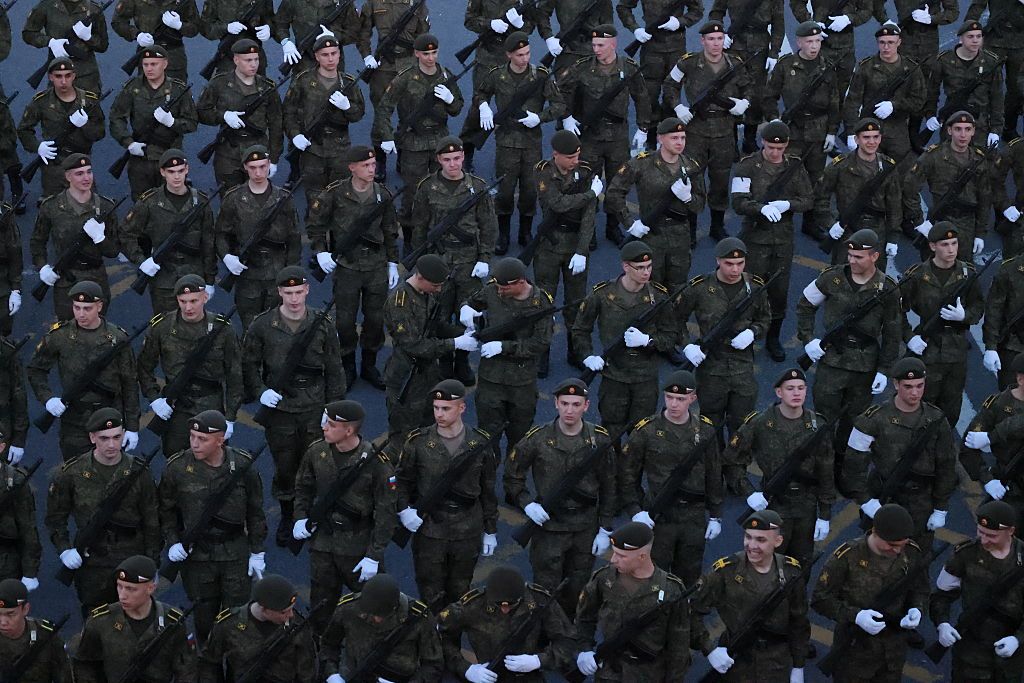
Independent Russian media estimated that 352,000 Russian men ages 18 to 59 have been killed in Ukraine since February 2022, including about 90,000 deaths declared via court order and roughly 261,000 regular fatalities. The outlets have confirmed 217,808 names, while Ukraine's General Staff put Russia's total losses at about 1,340,270 troops and extensive equipment losses as of May 9. The article underscores the scale of the war and the continuing opacity of official Russian casualty reporting.
The market implication is not the headline casualty count itself; it is the confirmation that Russia’s manpower problem is becoming structurally harder to hide, finance, and replenish. Once a state starts normalizing court-declared missing/dead status, the bottleneck shifts from battlefield attrition to administrative and fiscal attrition: higher compensation claims, larger pension liabilities, and a widening gap between mobilization needs and domestic tolerance. That is a slow-burn negative for Russia’s war capacity, but a faster-burn positive for any asset class that prices in lower probability of escalation discipline and greater pressure for asymmetric, cheaper warfare.
The second-order effect is on industrial inputs and defense procurement rather than frontline headlines. A force that is losing experienced personnel faster than it can train replacements tends to lean harder on drones, missiles, EW, and artillery-only tactics, which increases demand for components, optics, batteries, semiconductors, and dual-use machining even if headline troop levels stabilize. That favors Western and allied defense suppliers with exposure to unmanned systems and air defense, while punishing any thesis that assumes a quick posturing pivot toward conventional armor-heavy maneuver warfare.
The counterintuitive risk is that rising personnel losses can reduce near-term escalation risk even as they extend the war. If the Kremlin believes manpower strain is becoming politically expensive, it may prefer to trade space for time and intensify standoff strikes rather than authorize a larger mobilization, which keeps the conflict prolonged but lowers the probability of a sudden broadening into direct NATO confrontation. In other words, this is bearish for a clean peace trade, but not necessarily bearish for a long-duration defense and security-spend trade.
Consensus may be underestimating the legal and fiscal spillovers inside Russia. Court-based death declarations create a slow but persistent claims wave that can leak into regional budgets, local labor markets, and household consumption, especially in lower-income provinces that are disproportionately supplying recruits. That makes the macro damage more diffuse than sanctions headlines suggest, and it is exactly the kind of grind that usually shows up first in banks, insurers, and consumer staples before it becomes visible in aggregate GDP.
AI-powered research, real-time alerts, and portfolio analytics for institutional investors.
Request DemoOverall Sentiment
strongly negative
Sentiment Score
-0.80
